
Regularly cleaning your vacuum filter is essential for maintaining its efficiency and prolonging its lifespan.
Understanding The Importance Of Cleaning Vacuum Filters
Understanding the Importance of Cleaning Vacuum Filters
Keeping your vacuum filters clean is crucial for maintaining the optimal performance and efficiency of your vacuum cleaner. Over time, vacuum filters accumulate dirt, dust, pet hair, and other particles from the air they suck in. If left uncleaned for an extended period, these dirty filters can have a significant impact on the suction power and overall cleaning performance of your vacuum cleaner. In this article, we will delve into the reasons why regular cleaning is essential for the performance and efficiency of your vacuum cleaner, as well as how dirty filters can affect the suction power and overall cleaning performance.
Why Regular Cleaning Is Essential For Performance And Efficiency
Regularly cleaning your vacuum filters is essential to ensure that your vacuum cleaner functions at its best. By cleaning the filters on a regular basis, you can prevent clogs and blockages that can hinder the suction power of your vacuum cleaner. When dirt and debris accumulate in the filters, airflow is restricted, which can negatively affect the performance of your vacuum cleaner. Regular cleaning helps to maintain proper airflow, keeping your vacuum cleaner running smoothly and efficiently.
How Dirty Filters Affect Suction Power And Overall Cleaning Performance
A clogged or dirty filter can have a significant impact on the suction power and overall cleaning performance of your vacuum cleaner. When the filters are clogged with dirt and debris, the airflow is restricted, which in turn reduces the suction power of the vacuum cleaner. As a result, your vacuum cleaner may struggle to pick up all the dirt, dust, and pet hair from your floors and surfaces. Dirty filters also reduce the cleaning efficiency of your vacuum cleaner, as they prevent the machine from effectively trapping and containing the particles.
In addition, dirty filters can lead to motor strain as the vacuum cleaner works harder to compensate for the reduced suction power. This excessive strain can shorten the lifespan of your vacuum cleaner, leading to more frequent breakdowns and costly repairs. Therefore, it is crucial to maintain clean filters to ensure that your vacuum cleaner performs optimally and lasts longer.
Types Of Vacuum Filters And Their Cleaning Requirements
Ensuring the cleanliness and optimal functioning of your vacuum filter is essential for maintaining its longevity and effectiveness. Different types of vacuum filters require specific cleaning methods to remove dirt, debris, and allergens effectively. In this article, we will explore the three main types of vacuum filters – HEPA filters, foam filters, and bagless filters – as well as their unique cleaning requirements.
Hepa Filters: Maintaining The Efficiency Of High-efficiency Particulate Air Filters
HEPA filters, or high-efficiency particulate air filters, are renowned for their ability to trap microscopic particles and allergens, making them a top choice for allergy sufferers. To ensure the continued efficiency of your HEPA filter, regular and proper cleaning is vital. Here’s how you can effectively clean your HEPA filter:
- Carefully remove the HEPA filter from your vacuum cleaner.
- Inspect the filter for any visible dirt or debris.
- If there is excessive dirt buildup, gently tap the filter against a hard surface to dislodge the debris.
- For thorough cleaning, rinse the HEPA filter under cold running water.
- Allow the filter to air dry completely before reinserting it into your vacuum cleaner.
Foam Filters: Cleaning Foam Filters For Optimal Functioning
Foam filters are commonly found in vacuum cleaners and play a crucial role in trapping larger particles and preventing them from entering the motor. Cleaning foam filters regularly is essential to maintain their efficiency and prolong their lifespan. Here’s how you can clean foam filters effectively:
- Remove the foam filter from your vacuum cleaner, following the manufacturer’s instructions.
- Rinse the foam filter under running water to remove dirt and debris.
- Apply a mild detergent to a brush or sponge and gently scrub the filter.
- Rinse the filter thoroughly to remove any soap residue.
- Squeeze out any excess water and allow the foam filter to air dry completely before reinserting it into your vacuum cleaner.
Bagless Filters: Tips To Clean Bagless Vacuum Filters Effectively
Bagless vacuum cleaners offer convenience and cost savings, eliminating the need for disposable bags. However, proper cleaning of bagless filters is crucial to maintain their performance and prevent clogging. Here are some tips to effectively clean bagless vacuum filters:
- Start by emptying the dirt collection bin and removing any large particles or debris.
- Check for any visible dirt or dust on the filter.
- For fabric bagless filters, wash them in warm soapy water and rinse thoroughly.
- For pleated plastic filters, use a soft brush or compressed air to remove dirt and debris.
- Ensure the filter is completely dry before reinstalling it in the vacuum cleaner.
By following these cleaning methods tailored to each type of vacuum filter, you can maintain the efficiency and longevity of your vacuum cleaner. Regular maintenance and proper cleaning will not only enhance its performance but also contribute to a cleaner and healthier environment in your home.
Step-by-step Guide To Cleaning Vacuum Filters
If you want your vacuum cleaner to effectively remove dirt and debris and maintain full suction power, regular cleaning of the vacuum filters is essential. Over time, vacuum filters accumulate dust, pet hair, and other particles, which can clog the filter and reduce its efficiency. In this comprehensive guide, we will walk you through the step-by-step process of cleaning different types of vacuum filters, ensuring that your vacuum cleaner continues to perform at its best.
Removing The Filter: Proper Handling And Disassembly
Before you start cleaning your vacuum filter, it is important to handle it with care and follow the proper disassembly process to avoid damaging the filters or your vacuum cleaner. Here are the steps you should follow to remove the filter:
- First, ensure your vacuum cleaner is switched off and unplugged from the power source to prevent any mishaps.
- Refer to your vacuum cleaner’s user manual to locate the filter and understand how to remove it correctly.
- Depending on the vacuum model, you might need to twist, slide, or unlatch the filter to remove it. Follow the manufacturer’s instructions carefully to avoid any breakage.
- Once the filter is detached, gently remove it from the vacuum cleaner and place it on a clean surface.
Pre-cleaning Preparations: Gathering The Necessary Supplies And Tools
Before starting the actual cleaning process, gather all the supplies and tools required to effectively clean your vacuum filter. Here’s a list of things you’ll need:
- A clean, empty bucket or sink
- Mild dish soap or specialized filter cleaning solution
- A soft-bristle brush or toothbrush
- Warm water
- Lint-free cloths or paper towels
Cleaning Methods: Different Techniques For Different Types Of Filters
Different types of vacuum filters require different cleaning techniques. Follow the appropriate cleaning method based on the type of filter you have:
| Filter Type | Cleaning Method |
|---|---|
| HEPA Filters | Use a soft brush to gently remove loose debris from the filter. Rinse the filter under running water or soak it in warm soapy water. After rinsing, gently tap the filter to remove excess water, and let it air dry completely before reassembling. |
| Foam Filters | Rinse the filter under warm running water until the water runs clear. Thoroughly squeeze out excess water. Allow it to air dry completely before reassembling. |
| Cartridge Filters | Start by removing loose debris from the filter using a brush. Then, rinse the filter under warm running water and gently scrub with mild dish soap. Rinse again until the water runs clear, squeeze out excess water, and let it air dry completely. |
Drying And Reassembling: Ensuring Filters Are Completely Dry And Properly Put Back Together
Once you have cleaned your vacuum filter, it’s crucial to ensure it is thoroughly dry before reassembling your vacuum cleaner. Follow these steps to ensure proper drying and reassembling:
- Check if the filter is completely dry by gently touching it. Any moisture can affect the functionality of the filter and potentially damage your vacuum cleaner.
- If the filter is still damp, place it in a well-ventilated area and allow it to air dry naturally. Avoid using heat or direct sunlight to speed up the drying process, as it may damage the filter.
- Once the filter is entirely dry, carefully reassemble it back into your vacuum cleaner, making sure it fits securely.
- Remember to double-check that all components are correctly positioned and securely attached before switching your vacuum cleaner back on.
By following this step-by-step guide, you can efficiently clean and maintain vacuum filters, ensuring that your vacuum cleaner functions optimally and continues to keep your home free of dust and allergens.
Tips And Tricks For Efficient Vacuum Filter Cleaning
Here is an example of an engaging section of a blog post about Cleaning Vacuum Filter with the given subheadings using HTML syntax suitable for WordPress.Proper maintenance and cleaning of your vacuum filter are crucial to maintain its efficiency and extend its lifespan. Regularly cleaning the filter ensures that your vacuum performs optimally, effectively removing dust, allergens, and debris from your home. In this section, we will discuss some essential tips and tricks to help you clean your vacuum filter efficiently.
Frequency Of Cleaning: Establishing A Cleaning Schedule
Establishing a regular cleaning schedule for your vacuum filter is essential to maintain its performance. The frequency of cleaning will depend on various factors, such as the type of filter and the amount of dirt and debris your vacuum collects. As a general guideline, it is recommended to clean the filter at least once a month.
However, if you have pets that shed a lot or if you vacuum frequently, you may need to clean the filter more often, perhaps every two weeks. Pay attention to the manufacturer’s recommendations for your specific vacuum model.
Extending Filter Lifespan: Additional Maintenance Techniques
Cleaning your vacuum filter is not the only maintenance task you should perform to extend its lifespan. Here are some additional techniques to consider:
- Pre-filtering: To reduce the amount of dirt and debris that reaches the filter, consider using a pre-filter. This can be a mesh screen or foam filter that captures larger particles before they reach the main filter.
- Regular emptying: Emptying the vacuum’s dustbin or bag regularly helps prevent excess debris from accumulating and clogging the filter. Check the vacuum’s capacity and empty it when it is around two-thirds full.
- Inspecting for damage: Regularly inspect your vacuum filter for any signs of damage or wear. Replace the filter if it is torn or worn out to maintain optimal performance.
Avoiding Common Mistakes: Pitfalls To Avoid During Cleaning
While cleaning your vacuum filter, it is essential to avoid common mistakes that can affect its functionality. Here are some pitfalls to avoid:
- Not letting the filter dry: After cleaning, make sure the filter is completely dry before reassembling it. Moisture can promote the growth of mold and mildew, leading to a foul smell and potential damage to the filter.
- Using excessive force: Be gentle when handling the filter. Avoid scrubbing or squeezing it too hard, as this can damage the delicate filter material and decrease its effectiveness.
- Not following the manufacturer’s instructions: Each vacuum model may have specific cleaning instructions provided by the manufacturer. It is important to follow these guidelines to ensure proper cleaning and prevent any damage to the filter.
Troubleshooting Vacuum Filter Issues
A clean and properly functioning vacuum filter is crucial for maintaining the performance of your vacuum cleaner. However, just like any other mechanical device, vacuum filters can encounter issues from time to time. To ensure you keep your vacuum filter in top shape, it is important to understand common problems that might arise and how to troubleshoot them.
Common Problems With Vacuum Filters And How To Solve Them
Even with regular maintenance, vacuum filters can sometimes face issues that hinder their functionality. Here are a few common problems that you may encounter with your vacuum filter:
- Clogging: Over time, dirt, dust, and debris can accumulate on the filter, causing it to become clogged. This can lead to a loss of suction power and reduced performance of your vacuum cleaner. To solve this problem, remove the filter and gently tap or brush off the debris. You can also consider washing the filter if it is washable.
- Odor: If you notice an unpleasant smell coming from your vacuum cleaner, it could be due to a dirty filter. The filter can trap odors from pet hair, mold, or other particles, which can cause a foul smell. To eliminate the odor, you can wash the filter or replace it with a new one.
- Damage: Vacuum filters can sometimes suffer from wear and tear or accidental damage. Cracks, tears, or holes in the filter can compromise its effectiveness. In such cases, it is best to replace the filter with a new one to ensure optimal performance.
Signs For Replacing Or Upgrading Filters
While regular cleaning and maintenance can prolong the life of your vacuum filter, there comes a time when it needs to be replaced or upgraded. Here are a few signs that indicate it’s time for a new filter:
- Reduced suction power: If you notice a significant decrease in the suction power of your vacuum cleaner, it could be a sign that the filter is clogged or worn out. Cleaning might not be sufficient, and replacing the filter is necessary to restore the performance.
- Visible wear and tear: Inspect your filter regularly for any visible signs of damage, such as cracks, tears, or holes. If you spot any of these, it’s time to invest in a new filter that will ensure optimal filtration.
- Unpleasant smells persist: If you’ve cleaned the filter but still notice lingering odors while vacuuming, it could be an indication that the filter has reached its limit. Upgrading to a higher-quality filter can help eliminate stubborn odors more effectively.
By troubleshooting common vacuum filter issues and recognizing the signs that indicate the need for replacement or upgrading, you can maintain the efficiency and longevity of your vacuum cleaner. Regular care and attention to your vacuum filter will ensure that it continues to perform at its best, giving you a cleaner and healthier home.
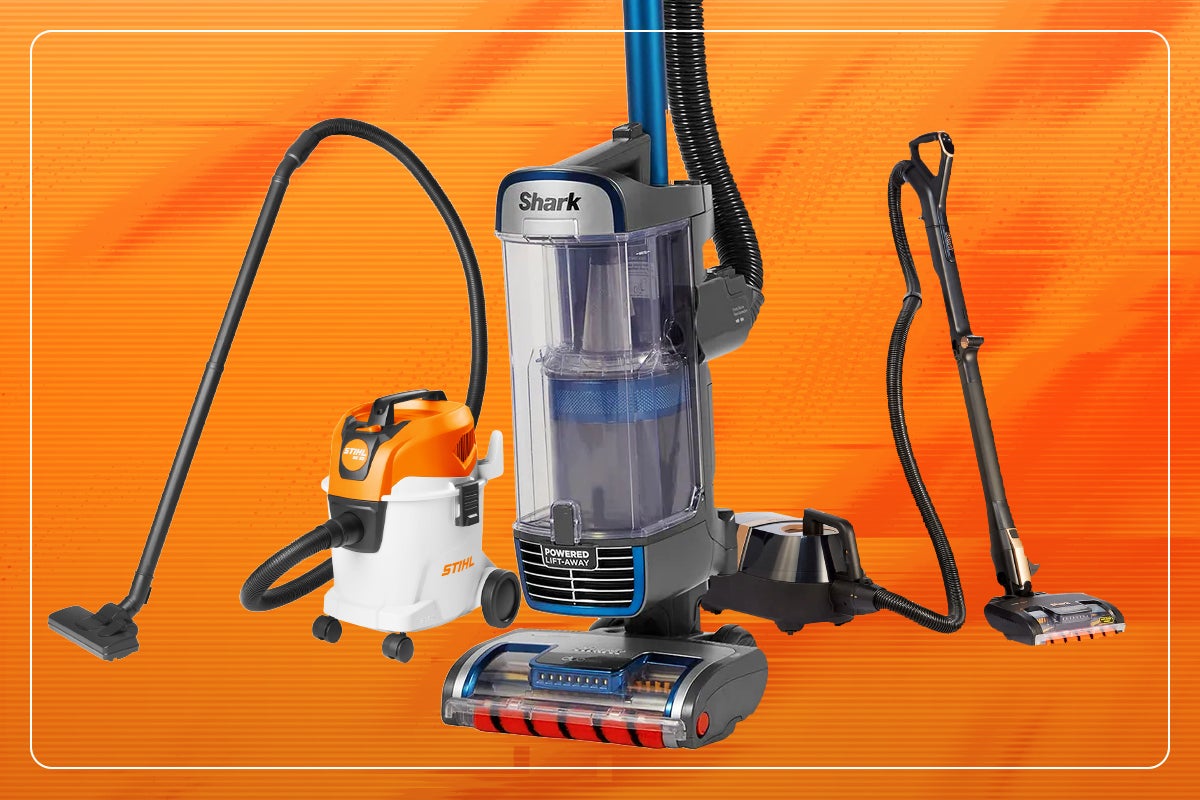
Credit: www.trustedreviews.com
Frequently Asked Questions Of Cleaning Vacuum Filter
How Often Should I Clean My Vacuum Filter?
You should clean your vacuum filter every 1-3 months, depending on usage. Regular maintenance ensures optimal performance and prolongs the lifespan of your vacuum cleaner. A dirty filter can reduce suction power and negatively impact air quality in your home.
How Do I Clean A Vacuum Filter Made Of Foam?
To clean a foam vacuum filter, remove it from the vacuum and gently rinse it under running water. Squeeze out excess water and allow it to air dry completely before reinserting it into the vacuum. Regular cleaning will help maintain the filter’s effectiveness.
Can I Wash A Hepa Vacuum Filter?
Most HEPA filters are not washable and should be replaced instead. Washing a non-washable HEPA filter may damage its filtration abilities. Check the manufacturer’s instructions or the filter packaging to determine if your particular HEPA filter is washable or replaceable.
Conclusion
Maintaining a clean and efficient vacuum filter is crucial for the overall performance of your vacuum cleaner. By regularly cleaning the filter, you can ensure maximum suction power and prevent clogs. Remember to follow the manufacturer’s instructions on how to clean and care for your specific filter type.
With a well-maintained filter, you can enjoy a cleaner and healthier living environment. Stay on top of filter maintenance for a cleaner home!