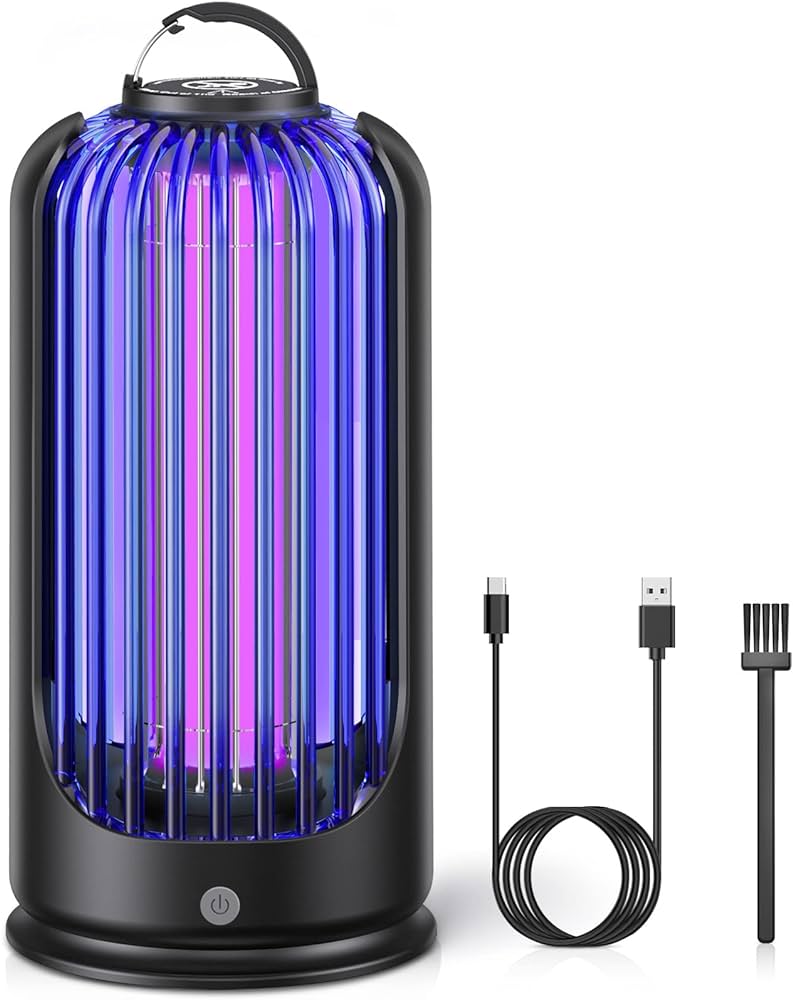
The best bug zapper for gnats indoors kills gnats efficiently, providing an effective solution for eliminating these pesky insects. Gnats, also known as fruit flies or vinegar flies, can be a nuisance in indoor spaces.
A bug zapper designed specifically for dealing with gnats can help keep your home or office gnat-free. These zappers use ultraviolet light to attract gnats, and when the gnats come into contact with the device, they are killed instantly by an electric shock.
In addition to being an effective method for getting rid of gnats, bug zappers are also safe to use around humans and pets. Keep reading to learn more about the top bug zappers for gnats indoors.
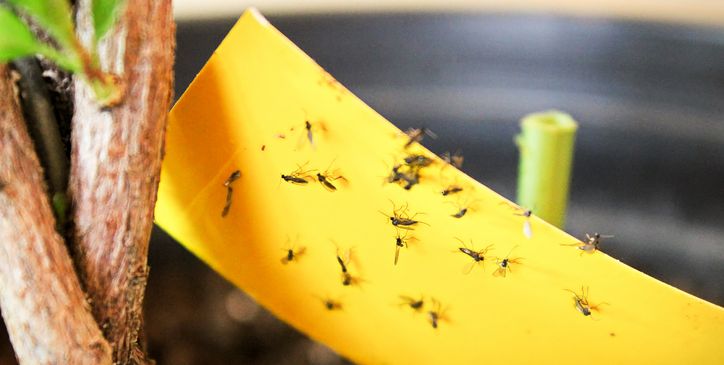
Credit: www.countryliving.com
Understanding The Gnats Problem
Gnats are a common nuisance that can disrupt the peace and cleanliness of your home. These tiny flying pests are not only annoying but also difficult to get rid of once they infest your indoor space. In this section, we will explore why gnats are a common indoor pest and the challenges that come with dealing with them.
Why Gnats Are A Common Indoor Pest
Gnats are attracted to moist environments and organic matter, which makes our homes an ideal breeding ground for these pesky insects. Here are a few reasons why gnats tend to infest indoor spaces:
- Overripe fruits and vegetables: Gnats are drawn to decomposing organic matter, and overripe fruits and vegetables provide them with the perfect breeding spot.
- Damp areas: Gnats thrive in damp areas such as bathrooms, kitchens, and basements. These areas provide the humidity and moisture necessary for their survival.
- Indoor plants: Houseplants can also attract gnats as their soil provides an ideal breeding ground if overwatered or if there’s poor drainage.
- Uncovered food: Leaving food uncovered can attract gnats, as they are always on the lookout for potential food sources.
The Challenges Of Dealing With Gnats Indoors
While gnats may seem harmless, they can be a real nuisance when their population grows. Dealing with gnats indoors presents several challenges:
- Rapid reproduction: Gnats have an incredibly short life cycle, allowing them to reproduce rapidly. This makes it challenging to control their population once they have infested your home.
- Evading capture: Gnats are tiny and agile, capable of maneuvering through small gaps and escaping traditional trapping methods.
- Constant annoyance: Gnats are known for their incessant buzzing and persistent flying around, causing frustration and interrupting daily activities.
- Potential health risks: While gnats are generally harmless, some species can bite or carry disease-causing pathogens, posing a risk to human health.
Addressing these challenges and finding an effective solution to get rid of gnats indoors is essential to maintain a comfortable and hygienic living environment.
Selecting The Right Bug Zapper For Gnats
Gnats can be irritating pests that seem to appear out of nowhere and swarm around your home. To effectively get rid of them, you need a bug zapper specifically designed for gnats. With various options available in the market, it can be overwhelming to choose the right bug zapper for your needs. In this section, we will discuss the factors to consider, the different types of bug zappers, and the features to look for when selecting a bug zapper for gnats.
Factors To Consider When Choosing A Bug Zapper For Gnats
When selecting a bug zapper to target gnats, there are several important factors to keep in mind:
- Size of your indoor space: Consider the size of the area where you plan to use the bug zapper. If you have a larger space, you may need a bug zapper with a stronger trapping range.
- Power source: Bug zappers can be powered by electricity or batteries. Determine whether you have access to an outlet or if you require a battery-operated bug zapper for convenience.
- Placement: Gnats are attracted to light, so positioning the bug zapper in an area where gnats are often present is crucial. Consider the placement options available for the bug zapper you are considering.
- Safety: Ensure that the bug zapper is safe to use around children and pets. Look for features such as mesh screens or protective grids to prevent accidental contact with the electrical grid.
Different Types Of Bug Zappers And Their Effectiveness Against Gnats
Several types of bug zappers are effective in eliminating gnats:
| Bug Zapper Type | Effectiveness against Gnats |
|---|---|
| UV Light Bug Zappers | These bug zappers use ultraviolet light to attract gnats. When the gnats come in contact with the electrified grid, they are eliminated. |
| Electric Grid Bug Zappers | These bug zappers have an electrified grid that kills gnats on contact. They are effective in attracting and eliminating gnats indoors. |
| Sticky Trap Bug Zappers | These bug zappers use sticky traps to catch gnats. The sticky surface attracts and traps gnats, preventing them from flying around. |
Features To Look For In A Bug Zapper For Gnats
When selecting a bug zapper for gnats, consider the following features:
- Ultraviolet Light: Gnats are attracted to ultraviolet light. Look for bug zappers that emit UV light to effectively lure gnats in.
- Easy Maintenance: Opt for bug zappers that are easy to clean or have removable trays to dispose of dead gnats conveniently.
- Low Noise: Some bug zappers can produce a loud buzzing noise when electrocuting insects. Choose a bug zapper with a low noise level for a more pleasant indoor environment.
- Coverage Area: Consider the range of the bug zapper to ensure it can effectively cover the area where gnats are present.
- Durability: Look for bug zappers made of high-quality materials to ensure long-lasting effectiveness.
By considering these factors and features, you can select the right bug zapper for gnats that suits your needs and effectively eliminates these pesky pests from your indoor space.
How Bug Zappers Work To Eradicate Gnats
Gnats can be a pesky nuisance, especially when they invade your indoor space. But fear not, for bug zappers are here to save the day! These innovative devices are designed to attract and eliminate gnats with their unique mechanisms. In this article, we will explore the science behind bug zappers and delve into how they effectively eradicate gnats. So, let’s dive in and discover the fascinating world of bug zappers!
The Science Behind Bug Zappers And Gnat Attraction
Wondering why gnats are drawn to bug zappers in the first place? It all comes down to the science behind these devices. Bug zappers are strategically engineered to leverage two main factors: UV light and an electric grid.
Uv Light And Its Role In Attracting Gnats To Bug Zappers
UV light plays a remarkable role in attracting gnats to bug zappers. Gnats, like many other flying insects, are naturally drawn to ultraviolet light sources. Bug zappers incorporate UV light bulbs that emit a specific wavelength of light known to be irresistible to gnats. When switched on, the UV light acts as a beacon, luring gnats towards the bug zapper.
To visualize the attraction process, imagine yourself walking towards a bright neon sign in the dark. Similarly, gnats are irresistibly drawn towards UV light emitted by the bug zapper. However, once they get close enough, the electric grid comes into play.
The Electric Grid And Its Effectiveness In Killing Gnats
The core component of bug zappers is their electric grid. This grid consists of a series of wired elements that surround the UV light bulb. When gnats approach the bug zapper and come into contact with this grid, they complete an electrical circuit, which results in a sudden zap of electricity.
This electric shock instantly immobilizes and eliminates the gnat, providing an effective means of eradication. The electric grid is designed to deliver a high-voltage shock that is lethal to gnats, ensuring their quick and efficient demise.
It’s worth noting that bug zappers are most effective in enclosed spaces where there are no competing light sources, as the bright UV light may distract gnats from other light fixtures. Therefore, placing bug zappers strategically in areas where gnats are often found indoors can maximize their effectiveness.
So, whether you’re dealing with annoying gnats in your kitchen, living room, or office, bug zappers offer a reliable and efficient solution. By harnessing the appealing power of UV light and the lethal force of the electric grid, these devices eliminate gnats and provide you with some much-needed relief.
Setting Up And Using A Bug Zapper For Gnats
htmlWelcome to our comprehensive guide on setting up and using a bug zapper for gnats! Gnats can be a nuisance, buzzing around your indoor space and causing annoyance. But with the right bug zapper, you can effectively eliminate these pesky insects and enjoy a gnat-free environment. In this section, we will discuss the proper placement and installation of a bug zapper for optimal gnat eradication, as well as provide you with valuable tips for their effective use. Furthermore, we will highlight the importance of regular maintenance and cleaning to ensure the bug zapper’s long-term effectiveness.
Proper Placement And Installation Of A Bug Zapper For Optimal Gnat Eradication
When it comes to getting the most out of your bug zapper and targeting gnats specifically, proper placement and installation are crucial. Follow these guidelines to optimize your bug zapper’s effectiveness:
- Choose an indoor location where gnats are frequently spotted. This could be near windows, doorways, or areas where fruits or plants are kept.
- Make sure to position the bug zapper at a height of approximately 4-6 feet from the ground. Gnats are attracted to light, and this height allows for maximum visibility and effectiveness.
- Avoid placing the bug zapper near other competing light sources, as this may distract the gnats and reduce the efficiency of the zapper.
- Properly secure the bug zapper to prevent accidental falls or damage.
Tips For Effective Use Of Bug Zappers To Eliminate Gnats
If you want to make the most of your bug zapper’s ability to eradicate gnats, consider the following tips:
- Keep the surrounding area dark. Gnats are more attracted to the bug zapper when it’s the primary light source.
- Turn off other lights in the room, as they may draw gnats away from the zapper.
- Operate the bug zapper during the nighttime or when the room is dimly lit. Gnats are most active during these periods.
- Regularly empty the insect collection tray to prevent the buildup of dead gnats, which may interfere with the bug zapper’s effectiveness.
Maintenance And Cleaning Of Bug Zappers To Ensure Long-term Effectiveness
To keep your bug zapper running at its best and provide long-term gnat eradication, proper maintenance and cleaning are essential. Follow these steps for optimal results:
- Unplug the bug zapper from the power source before cleaning.
- Gently remove the insect collection tray and dispose of the dead gnats.
- Wipe down the bug zapper with a damp cloth to remove any debris or residue.
- Carefully clean the bug zapper’s electrical grid using a soft brush to dislodge any trapped insects.
- After cleaning, reattach the insect collection tray and plug the bug zapper back in.
By following these maintenance procedures, you can ensure the bug zapper remains in optimal condition, providing you with long-term effectiveness against gnats.
Additional Strategies For Gnat Control
While a bug zapper for gnats indoor can be highly effective in eliminating these pesky insects, there are additional strategies you can implement to enhance gnat control. By combining natural remedies, prevention methods, and certain best practices, you can significantly reduce the presence of gnats in and around your house. Here are some useful approaches to consider:
Natural Remedies And Prevention Methods To Complement Bug Zapper Usage
To reinforce the effectiveness of your bug zapper, you can use natural remedies and prevention methods that work in harmony with this device. By incorporating these solutions, you create a multi-faceted approach to gnat control, increasing your chances of success. Here are some natural remedies and prevention methods you can try:
1. Essential Oils
Essential oils such as peppermint, lavender, and lemon eucalyptus are known for their repellent properties against gnats. Add a few drops of these oils to a spray bottle filled with water, and then spray the mixture in areas where gnats are commonly found, such as windows, doorways, and plants.
2. Vinegar Traps
Set up vinegar traps by filling small containers with apple cider vinegar or red wine vinegar. Cover the containers with plastic wrap and poke small holes in the wrap. Gnats will be attracted to the vinegar scent and will get trapped inside the containers. Replace the traps regularly to maintain their effectiveness.
3. Remove Moisture Sources
Gnats thrive in moist environments, so it’s important to eliminate any moisture sources inside your home. Fix leaky faucets and pipes, dry wet areas, and ensure good ventilation in areas prone to dampness, such as bathrooms and kitchens.
4. Seal Cracks and Openings
Gnats can enter your home through tiny cracks and openings. Inspect your doors, windows, and walls for any potential entry points, and seal them with caulk or weatherstripping to prevent gnats from sneaking in.
Best Practices For Eliminating Gnat Breeding Grounds In And Around The House
Getting rid of gnat breeding grounds is essential for effective gnat control. By addressing these breeding sites, you can disrupt the gnat life cycle and prevent infestations from recurring. Here are some best practices to consider:
1. Clean Up Fruits and Vegetables
Gnats are attracted to ripe or rotting fruits and vegetables. Promptly dispose of any overripe produce and store fresh fruits and vegetables in sealed containers or in the refrigerator to deter gnats from feeding and laying eggs on them.
2. Empty and Clean Trash Bins
Gnats are often found around garbage and trash bins. Empty your trash bins regularly and clean them with a mixture of water and bleach to eliminate any gnat eggs or larvae that may be present.
3. Properly Store Pet Food
Gnats are known to infest pet food if left exposed. Ensure you store pet food in airtight containers to prevent gnat access to their food source.
4. Maintain a Clean Environment
Regularly clean your home, paying attention to areas where gnats may breed, such as drains, potted plants, and damp corners. Maintain cleanliness to discourage gnats from finding suitable breeding sites.
Gnat-proofing Tips For Keeping Your Indoor Environment Gnat-free
Preventing gnats from entering your home in the first place is crucial for maintaining a gnat-free indoor environment. By implementing the following tips, you can gnat-proof your home and enjoy a pest-free living space:
1. Install Window Screens
Fit window screens with a fine mesh to prevent gnats from entering your home while allowing fresh air circulation. Repair any damaged screens to ensure they are fully functional.
2. Use Door Draft Stoppers
Seal gaps under doors with draft stoppers to create a barrier that prevents gnats from entering your home. This simple and inexpensive solution can help keep your indoor environment gnat-free.
3. Keep Doors and Windows Closed
To minimize the chances of gnats finding their way indoors, make a habit of keeping doors and windows closed, especially during peak gnat activity periods.
4. Properly Store and Dispose of Organic Waste
Dispose of organic waste, such as food scraps and plant trimmings, in sealed containers or compost bins. This will deter gnats from being attracted to these organic materials and potentially infesting your home.
By implementing these additional strategies alongside using a bug zapper for gnats indoor, you can effectively control gnat populations in and around your house. Remember to consistently apply these methods for long-term gnat prevention and enjoy a gnat-free living environment.
Frequently Asked Questions For Bug Zapper For Gnats Indoor
How Does A Bug Zapper Work?
A bug zapper attracts gnats and other flying insects with UV light and then electrocutes them with a high voltage grid. When the insects come close to the light, they get zapped and killed instantly, making it an effective solution for indoor gnat control.
Are Bug Zappers Safe For Indoor Use?
Yes, bug zappers specifically designed for indoor use are safe. They use a low-voltage grid to kill insects, which poses no harm to humans or pets. However, it is important to follow the manufacturer’s instructions and place the bug zapper away from children’s reach to ensure safety.
Do Bug Zappers Work Effectively Against Gnats?
Bug zappers are effective in controlling gnats. The UV light attracts gnats towards the zapper, and when they come in contact with the high voltage grid, they are eliminated. However, it’s essential to place the bug zapper strategically in areas where gnats are commonly found for maximum effectiveness.
How To Clean A Bug Zapper?
To clean a bug zapper, first, make sure it is unplugged. Then, remove the catch tray and dispose of any dead insects. Use a brush or a soft cloth to gently clean the grid, removing any debris or residue. Once clean, reassemble the bug zapper and plug it back in for continued use.
Conclusion
To sum up, investing in a bug zapper for gnats indoor is a wise decision. With their powerful UV light and efficient trapping mechanism, these devices effectively eliminate gnats from your home. Not only do they provide relief from irritating gnats but they also ensure a healthier living environment.
Say goodbye to pesky gnats and enjoy a bug-free home with the help of a reliable bug zapper.