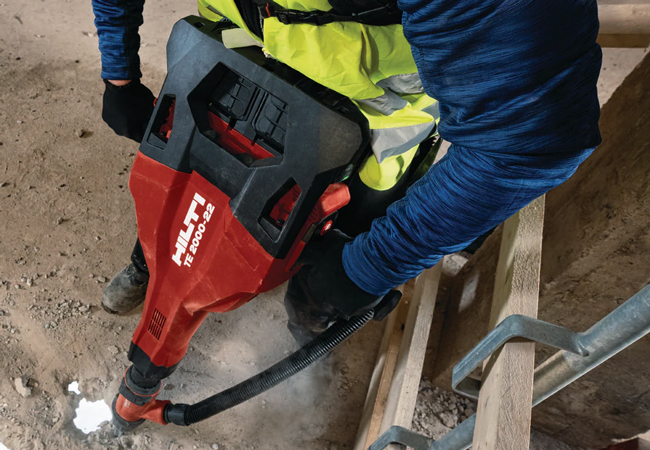
Yes, you need a hammer drill for concrete because it is specifically designed to drill through hard materials like concrete efficiently. Thinking of drilling through concrete?
In order to complete this task effectively, it is crucial to use the right tool. A hammer drill is a specialized tool designed explicitly for drilling into tough surfaces, such as concrete, brick, or stone. When it comes to concrete, a regular drill may struggle due to its hardness and density.
However, a hammer drill combines rotation with a hammer-like motion, enabling it to penetrate and break up concrete with ease. Whether you are tackling a small DIY project or a large construction job, having a hammer drill on hand will save you time and effort. So, before you begin drilling into concrete, make sure you have a hammer drill in your toolkit.
Exploring The Benefits Of Using A Hammer Drill For Concrete
Exploring the Benefits of Using a Hammer Drill for Concrete
When it comes to drilling into concrete, having the right tools can make all the difference. While a regular drill might get the job done, using a hammer drill specifically designed for concrete can greatly enhance your drilling experience. In this section, we will delve into the various benefits of using a hammer drill for concrete, highlighting the increased efficiency and time savings, enhanced precision and control, reduced physical strain and fatigue, and the versatility it offers for various concrete applications.
Increased Efficiency And Time Savings
One of the key advantages of using a hammer drill for concrete is the significant increase in efficiency and time savings. Unlike regular drills, hammer drills have a pulsating action that combines rotary drilling with a hammering function. This hammering action helps break up the hard concrete surface, allowing for faster and easier drilling. Additionally, hammer drills are equipped with powerful motors that can handle the tough resistance of concrete, ensuring smoother and quicker drilling compared to conventional drills.
Enhanced Precision And Control
When it comes to concrete drilling, precision and control are crucial. Hammer drills excel in these areas, providing users with enhanced precision and control. The hammering action of the drill helps create cleaner and neater holes, reducing the chances of cracks or breaks in the concrete. Furthermore, most hammer drills offer adjustable speed settings and depth control, allowing you to have precise control over the drilling process. This ensures that you can achieve the desired hole depth accurately, minimizing the need for any rework or repairs.
Reduced Physical Strain And Fatigue
Drilling into concrete can be physically demanding, especially if you are using a regular drill. The high resistance of concrete can put a strain on your muscles and cause fatigue over time. However, with a hammer drill, this burden is significantly reduced. The hammering action of the drill helps to distribute the force evenly, minimizing the strain on your wrist, arm, and shoulder. This not only allows for prolonged drilling without discomfort but also reduces the risk of injuries and musculoskeletal issues associated with repetitive drilling in concrete.
Versatility For Various Concrete Applications
Another major advantage of using a hammer drill for concrete is its versatility for various applications. Whether you are drilling anchor holes for mounting fixtures, creating holes for electrical wiring, or installing concrete screws, a hammer drill can handle it all. With the ability to switch between drilling and hammering functions, these drills offer versatility and adaptability, making them suitable for a wide range of concrete projects. They can tackle tasks such as drilling through both solid concrete and masonry with ease, providing you with the flexibility to meet your specific needs.
Evaluating The Need For A Hammer Drill Based On Project Requirements
When it comes to drilling into concrete, having the right tools for the job is crucial. One such tool that often comes to mind is the trusty hammer drill. However, determining whether you actually need a hammer drill for your concrete projects depends on a variety of factors. By assessing the level of concrete hardness and thickness, determining the scope and scale of the project, considering the frequency of concrete drilling tasks, and examining the potential cost and time savings, you can make an informed decision on whether investing in a hammer drill is necessary.
Assessing The Level Of Concrete Hardness And Thickness
The level of concrete hardness and thickness plays a significant role in determining whether a hammer drill is needed. Standard drills may be sufficient for softer concrete or thin slabs, but as the hardness and thickness increase, a hammer drill becomes more essential. Hammer drills are designed to provide the necessary impact force to efficiently penetrate tough concrete surfaces, making them ideal for projects that involve drilling into harder and thicker concrete.
Determining The Scope And Scale Of The Project
Another factor to consider is the scope and scale of your concrete project. If you are working on a small-scale DIY project, such as installing a few wall anchors or drilling holes for wiring, a standard drill may suffice. However, for larger projects like constructing a concrete foundation or installing a fence post, a hammer drill is highly recommended. The power and impact capabilities of a hammer drill make it more suitable for these extensive projects, ensuring efficient and effective results.
Considering The Frequency Of Concrete Drilling Tasks
The frequency of your concrete drilling tasks also influences your need for a hammer drill. If you frequently find yourself drilling into concrete for various projects, investing in a hammer drill may be a wise choice. Standard drills are not designed to handle the repetitive impact required for consistent concrete drilling. By using a hammer drill, you can save time and effort, as it will be better equipped to handle multiple drilling tasks efficiently.
Examining The Potential Cost And Time Savings
Lastly, it is important to examine the potential cost and time savings associated with using a hammer drill. While a hammer drill may be a more significant investment compared to a standard drill, the time saved and the quality of results achieved may outweigh the initial cost. The impact force of a hammer drill allows for faster drilling speeds and reduced effort, leading to increased productivity. Additionally, utilizing the right tool for the job minimizes the risk of damage or inconsistencies, which can result in costly repairs or rework.
In conclusion, evaluating the need for a hammer drill for your concrete projects requires careful consideration of the level of concrete hardness and thickness, scope and scale of the project, frequency of concrete drilling tasks, and potential cost and time savings. By thoroughly assessing these factors, you can make an informed decision that ensures successful and efficient concrete drilling.
Factors To Consider When Choosing A Hammer Drill For Concrete
When it comes to drilling into concrete, a standard drill simply won’t cut it. You need a powerful tool specifically designed to handle the tough and demanding nature of concrete. This is where a hammer drill comes in. But with so many options available, how do you choose the right one for your needs? Here are the key factors you should consider:
Power And Performance Specifications
The power and performance of a hammer drill are crucial when it comes to drilling into concrete. Look for a drill with high RPM (rotations per minute) and BPM (blows per minute) to ensure efficient drilling. Additionally, consider the wattage or amperage rating, as a higher rating typically indicates more power. A corded hammer drill generally provides more power compared to a cordless one, but the latter offers greater portability.
Drill Bit Compatibility And Availability
Another important factor is the compatibility and availability of drill bits for the hammer drill you choose. Concrete drilling requires specific drill bits that can withstand the rigors of the material. Check if the drill you’re considering allows for a wide range of drill bit sizes and types. It’s also beneficial to choose a drill that has readily available drill bits in your local hardware stores or online.
Ergonomics And User-friendly Features
Comfort and ease of use are crucial when working with a hammer drill for extended periods. Look for a drill with ergonomic handles, padding, and a lightweight design for reduced fatigue and enhanced control. Additionally, features like a keyless chuck for quick bit changes, adjustable side handles for better stability, and a variable speed trigger for improved precision can make your drilling experience more convenient and efficient.
Durability And Longevity Of The Tool
Investing in a durable and long-lasting hammer drill is essential, especially when dealing with tough materials like concrete. Look for drills made with high-quality materials such as metal gearboxes and reinforced motor housings. Additionally, check for warranties offered by the manufacturer, as this indicates their confidence in the tool’s durability and longevity.
Budget And Value For Money
Finally, consider your budget and the value you will get from the hammer drill. While it’s important not to compromise on quality, you should also ensure that the drill fits within your budget. Look for drills that offer a balance between price and features, providing good value for money. Reading reviews and comparing prices from different sources can help you make an informed decision.
In conclusion, when choosing a hammer drill for concrete, consider the power and performance specifications, drill bit compatibility and availability, ergonomics and user-friendly features, durability and longevity of the tool, and your budget and value for money. By considering these factors, you can ensure that you select a hammer drill that meets your specific drilling needs and provides efficient and reliable performance.
Exploring Alternatives To A Hammer Drill For Concrete Projects
When it comes to tackling concrete projects, many people automatically think of a hammer drill as the go-to tool. While it is true that hammer drills are designed to penetrate and drill through tough materials like concrete, they may not always be the most suitable option for every project or user. Whether you are a DIY enthusiast or a professional contractor, it is essential to consider other alternatives that might better suit your specific needs and requirements. In this blog post, we will explore three alternatives to a hammer drill for concrete projects: rotary hammer drills, impact drivers, and standard drills. Let’s dive in and discover which option could be the best fit for your next concrete drilling endeavor.
Rotary Hammer Drills: Ideal For Heavy-duty And Demanding Projects
If you are dealing with heavy-duty and demanding concrete projects, a rotary hammer drill should be your top consideration. Unlike regular hammer drills, which produce a forward and backward drilling motion, rotary hammer drills use a rotating motion to deliver more power and torque. This makes them highly effective for drilling larger diameter holes, breaking up concrete, or handling tasks that require prolonged and continuous drilling. With their robust construction and specialized features like multiple drilling modes and a dedicated hammer-only mode, rotary hammer drills are the ultimate tool for professionals and those handling intense concrete jobs. While they might be more expensive than standard hammer drills, their enhanced capabilities and durability make them a worthy investment.
Impact Drivers: Suitable For Lighter Concrete Drilling Tasks
For lighter concrete drilling tasks, such as installing shelves or mounting small fixtures, an impact driver can be a viable alternative to a hammer drill. Impact drivers are known for their high-speed rotational action combined with powerful concussive blows, making them perfect for driving screws and fasteners into hard materials. While their primary function is not drilling, impact drivers with the appropriate masonry drill bits can effectively handle small-scale concrete drilling projects. Moreover, many impact drivers offer adjustable speed and torque settings, allowing you to customize the drilling experience for different materials and depths. If you already own an impact driver or have lighter concrete drilling needs, consider utilizing this versatile tool instead of investing in a dedicated hammer drill.
Standard Drills: Limited Use For Small-scale Or Infrequent Projects
When it comes to small-scale or infrequent concrete projects, a standard drill may serve as a budget-friendly alternative to a hammer drill. Standard drills are generally lightweight, portable, and commonly found in most toolboxes, making them accessible for occasional drilling needs. While they lack the specialized hammering action of dedicated hammer drills, they can still handle shallow holes or light-duty drilling tasks in concrete. However, it is crucial to note that standard drills might struggle with denser concrete or larger diameter holes, as they may not deliver enough power and percussion force. If you are on a tight budget or have sporadic concrete drilling requirements, a standard drill can be a reasonable option. But for more challenging or frequent concrete projects, consider upgrading to a hammer drill or exploring other alternatives like rotary hammer drills or impact drivers.
Tips For Proper Usage And Maintenance Of A Hammer Drill For Concrete
When it comes to working with concrete, a hammer drill is an essential tool for drilling holes quickly and efficiently. However, simply owning a hammer drill is not enough; you must also know how to use and maintain it properly to ensure its longevity and optimal performance. This article will provide you with some expert tips on the proper usage and maintenance of a hammer drill for concrete.
Ensuring Proper Drill Bit Selection And Installation
One of the critical aspects of using a hammer drill for concrete is selecting the right drill bit for the job. The type of drill bit you choose will depend on the size of the hole you need and the type of concrete you are working with. For smaller holes, use masonry bits, while for larger holes, consider using carbide-tipped or diamond-tipped bits.
After selecting the appropriate drill bit, it’s essential to install it correctly to achieve optimal drilling performance. Ensure that the drill bit is securely tightened into the drill’s chuck, as a loose bit can reduce drilling efficiency and pose a safety risk. Use the chuck key to tighten the bit securely before starting any drilling operation.
Implementing Correct Drilling Techniques And Safety Measures
The key to successful drilling in concrete lies in using the correct drilling techniques and adopting proper safety measures. Start by marking the desired hole location on the concrete surface, then apply light pressure when starting the drilling process. Gradually increase the pressure as the drill bit penetrates the concrete. Avoid applying excessive force as it can lead to overheating and potential damage to the drill bit.
When drilling, always wear appropriate protective gear, including safety goggles and ear protection, as hammer drills produce loud noise and debris. Additionally, ensure that the drill is firmly gripped with both hands and maintain a stable stance to prevent any accidents or injuries.
Regular Cleaning And Lubrication For Longevity
Proper cleaning and lubrication play a vital role in preserving the longevity and performance of your hammer drill for concrete. After each use, remove any dust or debris that may have accumulated on the drill, chuck, and drill bit. A soft-bristle brush and a damp cloth can help you effectively clean these areas.
Lubricating the drill’s chuck periodically is also essential to maintain its smooth operation. Apply a few drops of lubricating oil to the chuck and rotate it a few times to distribute the oil evenly. Be sure to wipe off any excess oil to prevent it from attracting dust or debris.
Storing The Drill In A Dry And Secure Environment
When you’re not using your hammer drill, proper storage is crucial to protect it from the elements and ensure its longevity. Store the drill in a dry and secure environment, away from moisture and extreme temperatures. Consider using a protective case to prevent any accidental damage when the drill is not in use.
Remember, by implementing these tips for proper usage and maintenance of your hammer drill for concrete, you can enjoy optimal performance, extend its lifespan, and ensure your safety while working on concrete projects.
Credit: www.homedepot.com
Frequently Asked Questions Of Do I Need A Hammer Drill For Concrete
Can I Use A Regular Drill For Concrete?
No, a regular drill won’t be effective in drilling into concrete. Concrete is a tough material that requires the power and impact force of a hammer drill to penetrate.
What Is A Hammer Drill And How Does It Work?
A hammer drill is a power tool that combines drilling and hammering action. It has a special mechanism that delivers rapid blows to the drill bit while rotating, allowing it to break through tough materials like concrete.
Why Do I Need A Hammer Drill For Concrete?
Concrete is a dense material that requires the impact force of a hammer drill to create holes. Using a regular drill will be inefficient and may cause damage to both the tool and the concrete.
Can I Rent A Hammer Drill Instead Of Buying One?
Yes, renting a hammer drill is a cost-effective option if you only need it for a specific project. Many hardware stores and equipment rental companies offer hammer drills for rent.
Conclusion
After considering all the factors discussed, it is clear that investing in a hammer drill for concrete projects is essential. From its power to efficiently penetrate tough surfaces to its versatility in handling various tasks, a hammer drill proves to be a valuable tool for both professionals and DIY enthusiasts alike.
With the right drill bits and proper technique, you can easily tackle concrete projects with speed and precision. So, if you are planning to work on concrete surfaces frequently, it is highly recommended to have a reliable hammer drill in your toolkit.
Its effectiveness and efficiency will undoubtedly be worth the investment.