Sound System Vinyl is a popular term used to describe a vinyl record player and the audio system components needed to play vinyl records. It includes a turntable, preamp, speakers, and receivers, among others.
The system configurations and choice of speakers are important factors to consider when setting up a sound system for vinyl. Calibrating the system and understanding frequently asked questions can help enhance the overall listening experience. Introduction to analog and specific brand recommendations, such as Fluance Speakers and Ortofon Blue Cartridge, can provide valuable insights for beginners and enthusiasts alike.
Understanding The Basics
When it comes to enjoying the warm and authentic sound of vinyl records, having a high-quality sound system is essential. Understanding the basics of a sound system vinyl setup will help you make informed choices and enhance your overall listening experience. In this section, we will explore the components of a vinyl sound system, what to look for when choosing a turntable, the importance of a preamp, and selecting the right speakers for your setup.
Components of a Vinyl Sound System (Turntable, Preamp, Speakers, Receivers)
A vinyl sound system is composed of several key components that work together harmoniously to reproduce the rich and detailed sound of vinyl records. Let’s take a closer look at each component:
| Component | Description |
|---|---|
| Turntable | The turntable is the heart of any vinyl setup. It is responsible for playing the vinyl records by rotating them at a precise speed. Look for a turntable with a high-quality tonearm and a stable platter for accurate playback. |
| Preamp | A preamp is used to amplify the low-level signal produced by the turntable’s cartridge. It boosts the signal to a level that can be passed on to the speakers or a receiver. A good preamp will preserve the nuances and dynamics of the vinyl sound. |
| Speakers | The speakers are responsible for converting the electrical signal into audible sound. Look for speakers that are specifically designed for vinyl playback, as they will ensure accurate sound reproduction and deliver the full depth and richness of your vinyl records. |
| Receivers | A receiver acts as the central hub of your sound system, allowing you to connect and control various components. It provides the necessary power and amplification to drive the speakers. Look for a receiver with multiple inputs and outputs to accommodate your vinyl setup. |
What to Look for When Choosing a Turntable
Choosing the right turntable is crucial for capturing the true essence of vinyl sound. Here are some factors to consider when selecting a turntable:
- Quality construction: Look for a turntable with a sturdy build to minimize vibrations and ensure stable playback.
- Tonearm and cartridge: The tonearm should be well-balanced and easy to adjust, while the cartridge should be compatible with your preferred style of music.
- Speed control: Opt for a turntable with precise speed control to ensure accurate playback.
- Anti-skate and tracking force adjustment: These features help maintain the proper tracking of the needle on the record, leading to better sound quality and longevity of your vinyl.
The Importance of a Preamp in Vinyl Sound Systems
A preamp is a crucial component in a vinyl sound system as it amplifies the delicate signal produced by the turntable’s cartridge. Here’s why a preamp is important:
- Signal amplification: The low-level signal from the turntable needs to be boosted to line-level for proper playback through speakers or a receiver.
- Equalization: A preamp also applies RIAA equalization, correcting the frequency response of the vinyl recording to ensure accurate sound reproduction.
- Noise reduction: A good preamp will have a low noise floor, reducing any unwanted background noise and preserving the dynamics of the vinyl sound.
Selecting the Right Speakers for Your Vinyl Setup
Choosing the right speakers is crucial to fully enjoy the warm and detailed sound of vinyl records. Here are some factors to consider when selecting speakers for your vinyl setup:
- Frequency response: Look for speakers with a wide frequency response to capture the full range of sounds present in vinyl records.
- Efficiency: Speakers with higher efficiency ratings require less power to produce the same volume, allowing your amplifier to perform optimally.
- Size and placement: Consider the size of your listening space and the placement options available to ensure the speakers fit well and deliver the desired soundstage.
- Compatibility: Check the impedance and power rating of the speakers to ensure compatibility with your amplifier or receiver.
By understanding the basics and considering these factors, you can build a vinyl sound system that elevates your listening experience and brings the magic of vinyl records to life.
Optimizing Your Sound System
Optimizing Your Sound System
Having a high-quality sound system is essential for any vinyl enthusiast. Whether you are a casual listener or an avid collector, optimizing your sound system can greatly enhance your vinyl listening experience. In this article, we will explore different system configurations, calibrating your sound system for the best performance, addressing common issues and troubleshooting tips, as well as enhancing your vinyl sound with additional accessories.
Exploring Different System Configurations
Your sound system configuration plays a crucial role in delivering the best audio quality. There are various system setups you can consider, depending on your preferences and budget. Here are a few popular options:
- Stereo system: A traditional two-channel setup with speakers placed on either side of your listening area.
- Surround sound system: Ideal for creating an immersive audio experience with multiple speakers placed strategically around the room.
- Wireless system: Allows for seamless connectivity and flexibility, eliminating the need for cables.
Calibrating Your Sound System for the Best Performance
Proper calibration is essential to achieve optimal sound quality. Here are some steps you can follow to calibrate your sound system:
- Set up your speakers in the appropriate positions for your chosen system configuration.
- Adjust the speaker levels to ensure a balanced soundstage.
- Fine-tune the equalizer settings to enhance specific frequencies.
- Utilize sound isolation techniques to minimize vibrations and unwanted noise.
Addressing Common Issues and Troubleshooting Tips
Even the best sound systems can encounter issues from time to time. Here are some common problems and troubleshooting tips:
| Issue | Troubleshooting Tip |
|---|---|
| Low volume or distorted sound | Check the speaker connections and ensure they are securely plugged in. Adjust the volume levels on your amplifier or receiver. |
| Poor channel separation | Verify that your speakers are properly positioned and angled for optimal sound dispersion. Make sure there are no obstructions blocking the sound. |
| Audio imbalance | Check the balance settings on your amplifier or receiver. Ensure that the left and right channels are evenly balanced. |
Enhancing Your Vinyl Sound with Additional Accessories
To take your vinyl sound to the next level, consider incorporating these additional accessories:
- Quality phono cartridge: Investing in a high-quality cartridge can greatly improve the clarity and precision of the sound reproduction.
- Acoustic panels: Enhance the acoustic environment of your listening room by reducing reflections and echo for a more immersive experience.
- Record cleaning kit: Keep your vinyl collection in pristine condition by regularly cleaning your records to remove dust and static.
By exploring different system configurations, calibrating your sound system, addressing common issues, and incorporating additional accessories, you can optimize your sound system and elevate your vinyl listening experience to new heights.
Exploring Advanced Techniques And Tips
When it comes to vinyl sound systems, there are various advanced techniques and tips that can enhance your listening experience. From understanding different vinyl formats to optimizing the soundstage in your room, implementing these techniques can make a significant difference in the quality of your sound. In this article, we will explore some advanced techniques and tips to help you get the most out of your vinyl collection.
Understanding Different Vinyl Formats and Their Impact on Sound Quality
Vinyl records come in different formats, each with its own impact on sound quality. It’s important to understand these formats to make informed decisions when purchasing records. Here are some common vinyl formats and their impact on sound quality:
| Vinyl Format | Sound Quality |
|---|---|
| Standard (33 1/3 RPM) | High fidelity and good bass response |
| 45 RPM | Improved audio detail and clarity |
| 180-gram Vinyl | Enhanced dynamics and less surface noise |
By understanding the different vinyl formats, you can choose records that align with your desired sound quality preferences.
Exploring Different Cartridges and Their Effects on Sound
The cartridge you use on your turntable can significantly impact the sound quality of your vinyl. Different cartridges have varying effects on sound, depending on factors such as stylus type, tracking force, and compliance. Here are some commonly recommended cartridges and their effects:
- Ortofon 2M Red: Offers a balanced and detailed sound with a stylus upgrade path.
- Audio-Technica AT95E: Delivers solid performance with good tracking ability and clarity.
- Grado Prestige Series: Known for their warm and rich sound signature.
Exploring different cartridges and finding the one that suits your preferences can greatly enhance your vinyl listening experience.
How to Properly Clean and Maintain your Vinyl Collection
Proper cleaning and maintenance of your vinyl collection are essential for preserving sound quality and prolonging the lifespan of your records. Here are some tips for cleaning and maintaining your vinyl collection:
- Use a carbon fiber brush: Regularly brush your records with a carbon fiber brush to remove dust and static.
- Invest in a record cleaning machine: Consider using a record cleaning machine for a more thorough cleaning process.
- Store your records properly: Keep your records in protective sleeves and store them upright to prevent warping.
By following these cleaning and maintenance practices, you can ensure that your vinyl collection stays in optimal condition, resulting in better sound quality.
Understanding and Optimizing the Soundstage in Your Room
The soundstage refers to the spatial representation of instruments and vocals in a recording. Optimizing the soundstage in your room can greatly enhance the immersive experience of vinyl playback. Here are some tips for understanding and optimizing the soundstage:
- Room acoustics: Consider the layout and acoustic properties of your room, including wall reflections and speaker placement.
- Speaker positioning: Experiment with speaker positioning to achieve a balanced soundstage and imaging.
- Room treatments: Use acoustic panels or diffusers to control room reflections and improve soundstage accuracy.
By paying attention to the soundstage in your room and making necessary adjustments, you can create a more immersive and realistic listening experience.
With these advanced techniques and tips, you can elevate your vinyl sound system to new heights. Understanding the impact of different vinyl formats, exploring various cartridges, properly cleaning and maintaining your vinyl collection, and optimizing the soundstage in your room will ensure an enhanced and enjoyable vinyl listening experience.
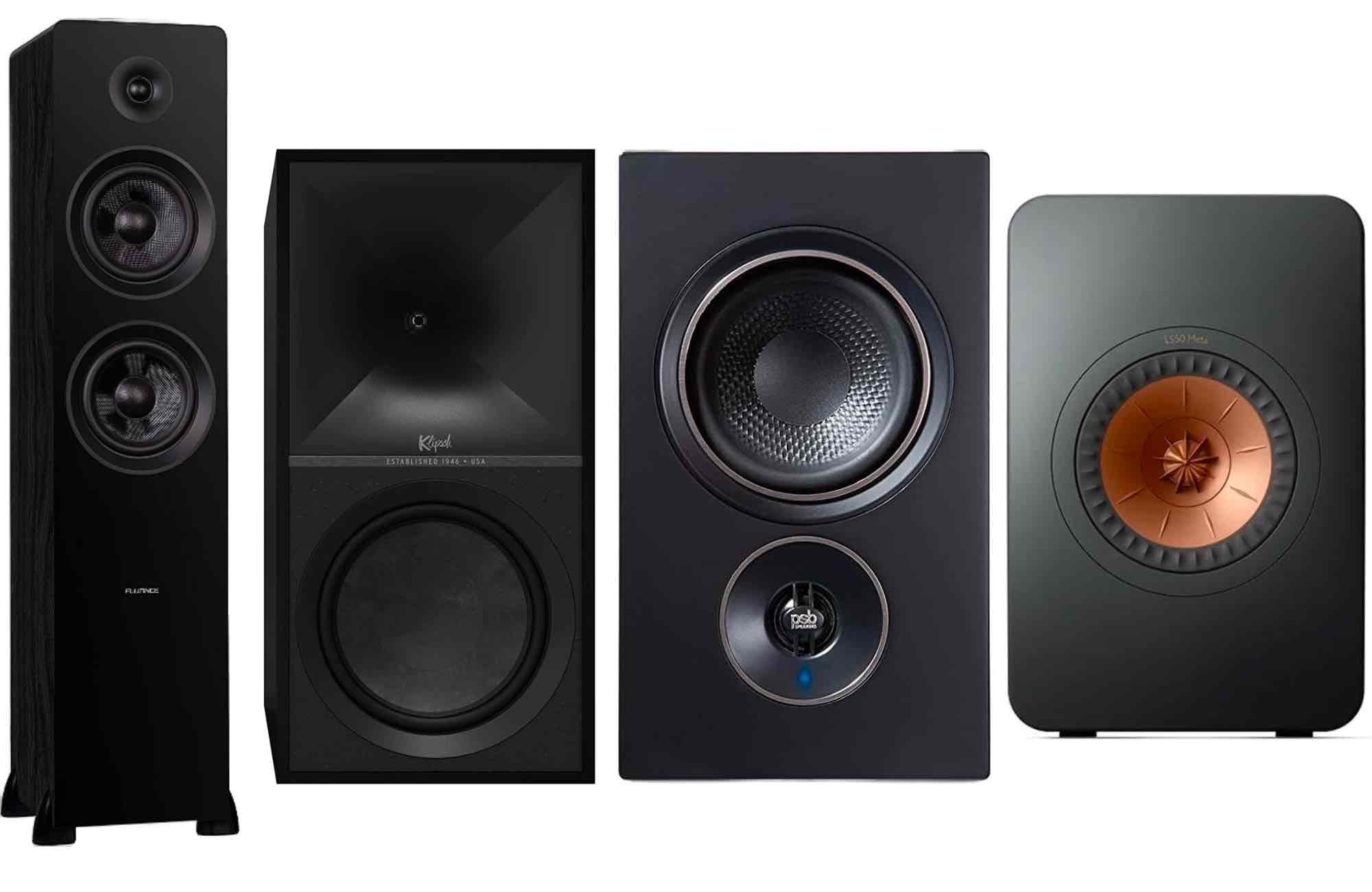
Credit: www.popsci.com
Frequently Asked Questions On Sound System Vinyl
What Is The Best System For Listening To Vinyl?
The best system for listening to vinyl includes a turntable, preamp, speakers, and receiver.
What Do You Need For A Vinyl Sound System?
To set up a vinyl sound system, you’ll need a turntable, preamp, speakers, and a receiver.
What Is A Good Stereo System With Turntable?
A good stereo system with a turntable is the Andover Audio SpinBase Turntable Speaker System.
What Speakers To Use For Vinyl?
For vinyl, choose speakers that provide detailed sound and warmth. Consider options like Fluance, Ortofon, or GBL.
Conclusion
Vinyl sound systems continue to capture the hearts of music enthusiasts across the globe. These systems offer a unique and warm sound that cannot be replicated by digital formats. From the turntable to the speakers, every component plays a crucial role in delivering the rich and immersive vinyl experience.
Companies like Fluance, Ortofon, and Electrohome are consistently innovating and providing high-quality systems to meet the demands of vinyl lovers. Whether you are a beginner or a seasoned collector, there are options available for every budget and preference. Additionally, the resurgence of vinyl has led to the reissuing of classic albums on limited edition LPs, bringing joy to Studio Ghibli fans and collectors alike.
So, whether you are enjoying the nostalgic crackle of a vintage record or exploring new artists on vinyl, a sound system designed specifically for this format ensures that you get the most out of your listening experience.