

When comparing brake vs no brake circular saws, it’s vital to understand their differences. Both types have unique features that impact your work.
Choosing the right circular saw can make your cutting tasks easier and safer. Circular saws with brakes stop the blade quickly after you release the trigger, adding an extra layer of safety. On the other hand, no brake saws keep spinning until they naturally come to a stop.
This might seem like a small difference, but it can significantly affect your workflow and safety. Understanding these differences will help you make an informed decision based on your needs and preferences. In this blog, we’ll explore both options to help you choose the best circular saw for your projects.
What Is A Brake Circular Saw?
A brake circular saw is a power tool with a safety feature. This feature stops the blade quickly after the trigger is released. It enhances user safety by reducing the risk of accidents. Brake circular saws are common in construction and carpentry.
Many professionals prefer brake circular saws. This preference is due to their added safety and efficiency. They are especially useful for quick and repetitive cuts. The brake function helps prevent injuries and mishaps.
Features Of Brake Circular Saws
Brake circular saws come with various features. These include an electric or mechanical brake system. The brake stops the blade within seconds. This rapid stop is crucial for safety.
These saws often have ergonomic designs. This makes them comfortable to use for extended periods. They also have durable build quality. This ensures long-lasting performance.
Many models have adjustable cutting depths. This feature allows for versatile cutting options. They also include built-in dust blowers. These keep the cutting line clear for better visibility.
How Brake Systems Work
The brake system in a circular saw works by interrupting the power. When the trigger is released, the power cuts off. This action engages the brake, stopping the blade.
Electric brakes use the saw’s motor to reverse the current. This reversal causes the blade to stop quickly. Mechanical brakes use physical friction. This friction slows and stops the blade.
Both systems aim for the same result. They stop the blade swiftly to enhance safety. The choice between electric or mechanical brakes depends on the user’s preference and needs.
Credit: www.milwaukeetool.com
What Is A No Brake Circular Saw?
When considering power tools, especially circular saws, understanding the differences can save you time and headaches. One key distinction is between brake and no brake circular saws. But what exactly is a no brake circular saw?
Characteristics Of No Brake Saws
No brake circular saws are straightforward and efficient. They do not include an electronic brake system. This means the blade continues to spin after you release the trigger.
While this may sound concerning, many professionals and DIY enthusiasts use them effectively. However, it’s crucial to be aware of the potential risks and handle them with caution.
Operating Mechanism
The operating mechanism of a no brake circular saw is simple. When you press the trigger, the motor powers the blade. Upon releasing the trigger, the blade gradually comes to a stop.
This gradual stopping can take a few seconds. It’s vital to maintain control of the saw during this time. Always ensure the blade is clear of any material before releasing the trigger to avoid accidents.
Have you ever experienced the sudden jolt of an electronic brake? With a no brake saw, you won’t have that. The stop is smooth and predictable.
Is a no brake circular saw right for you? Consider your comfort level and the type of projects you undertake. Sometimes, simplicity and predictability can be your best allies in the workshop.
Safety Considerations
Safety is paramount when using power tools. Circular saws, whether with or without brakes, have specific safety considerations. Understanding these can help users make informed decisions and stay safe during use.
Brake Vs No Brake Safety
Circular saws with brakes stop the blade quickly after releasing the trigger. This reduces the risk of accidents. Without brakes, the blade keeps spinning for a while. This can be dangerous, especially during unexpected situations.
Common Safety Features
Both types of circular saws come with essential safety features. Blade guards protect users from direct contact with the blade. Trigger locks prevent accidental starts.
Electric brakes and dust blowers improve visibility. This helps users see the cutting line clearly. Anti-kickback features reduce the risk of the saw jerking unexpectedly.
Performance Comparison
Choosing between a circular saw with a brake and one without can greatly impact your woodworking projects. Performance matters, whether you’re a DIY enthusiast or a professional. Let’s dive into how each type stacks up in terms of cutting efficiency and ease of use.
Cutting Efficiency
When it comes to cutting efficiency, the brake-equipped circular saws offer a distinct advantage. They stop almost instantly when you release the trigger. This immediate halt can save you valuable time, especially during intricate cuts.
On the other hand, non-brake circular saws take a few seconds to come to a complete stop. Those seconds might not seem much, but they add up over multiple cuts. Imagine cutting through a stack of plywood; every pause without a brake means potential errors and wasted time.
From my experience, brake-equipped saws provide smoother transitions between cuts. They allow for precise control, ensuring your cuts are clean and accurate. Have you ever tried making a perfect straight cut only to have the blade wobble at the end? The brake can prevent that.
Ease Of Use
Ease of use is another crucial factor. Brake-equipped circular saws are generally safer and more intuitive. The instant blade stop reduces the risk of accidental cuts, making them ideal for beginners and seasoned woodworkers alike.
Non-brake saws, while functional, require more caution. You need to wait for the blade to stop completely before moving or adjusting your material. This can slow down your workflow and increase the chances of mishaps.
Think about your last project. Did you feel confident using your saw, or were you constantly wary of the spinning blade? A brake can make a world of difference in your comfort and safety. Wouldn’t you prefer a tool that offers peace of mind?
In conclusion, brake-equipped circular saws clearly outperform non-brake models in both cutting efficiency and ease of use. They save time, reduce errors, and enhance safety. Which type would you choose for your next project?
Cost Analysis
In the world of circular saws, choosing between brake and no brake models can be complex. Understanding the cost implications is crucial. This section will break down the costs associated with each type of saw.
Initial Investment
Brake circular saws often come with a higher price tag. The added safety feature of an electric brake boosts the cost. This initial investment can be justified by the increased safety and efficiency. No brake saws are usually cheaper. They lack the brake feature, which lowers the price. For those on a tight budget, this might seem appealing.
Long-term Costs
Over time, the cost dynamics can shift. Brake saws might save money in the long run. They reduce the risk of accidents, which can lead to fewer medical bills. Also, the brake feature can extend the life of the blade. This reduces the frequency of replacements. No brake saws might incur higher long-term costs. The absence of a brake can lead to more wear and tear. This could result in more frequent blade replacements and potential repair costs.
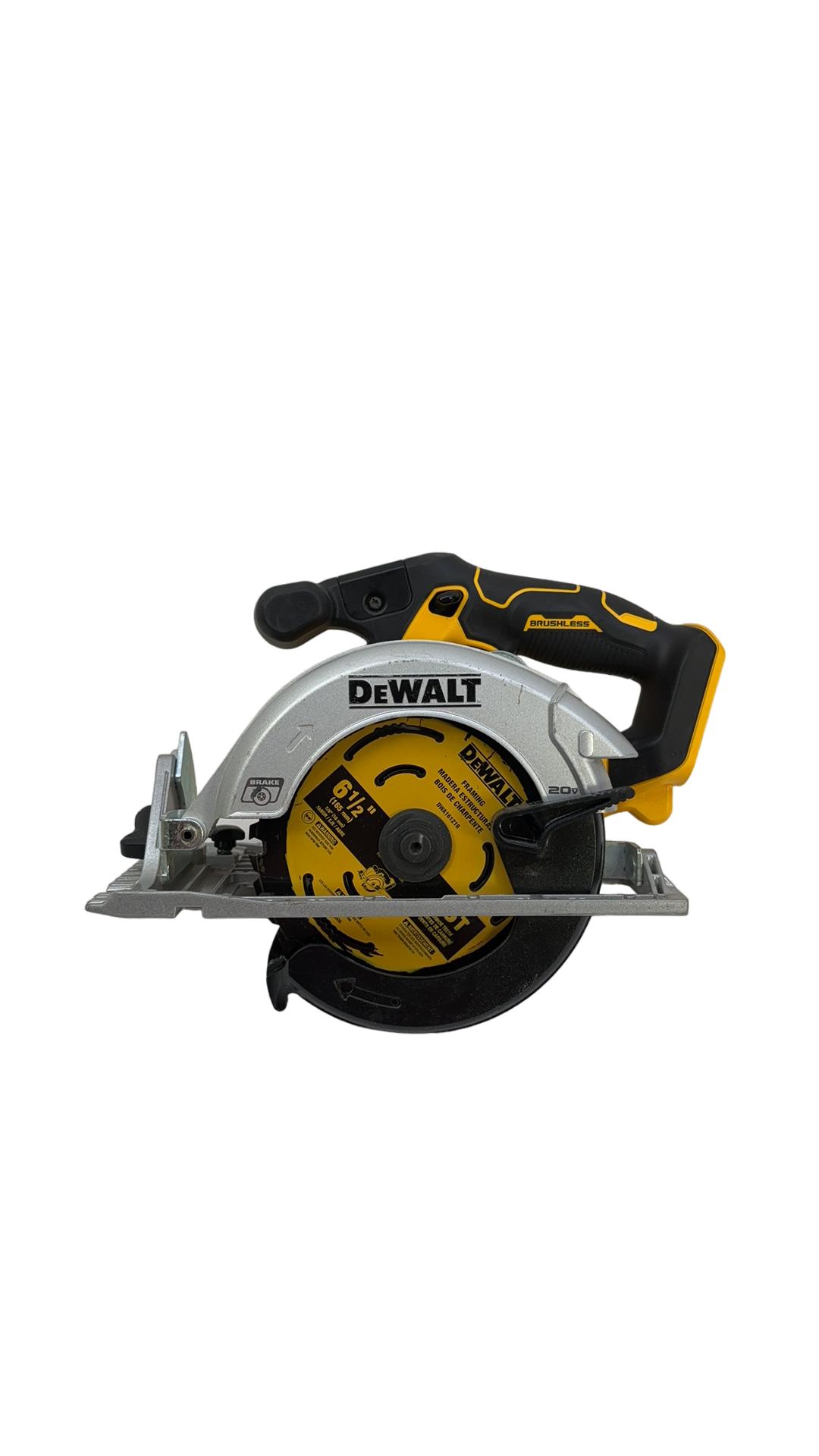
Credit: www.pawnamerica.com
User Experience
User experience is crucial when choosing between a brake and no brake circular saw. Each type offers unique benefits tailored to different users. Understanding these can help you make an informed decision.
Professional Use
Professionals need tools that enhance productivity and safety. A brake circular saw stops the blade quickly after releasing the trigger. This feature reduces the risk of accidents. It also allows for faster workflow transitions. Professionals often handle multiple cuts in quick succession. The brake feature saves valuable time by minimizing wait periods. This efficiency boost can be significant on busy job sites.
Diy And Hobby Use
DIY enthusiasts and hobbyists may not require the same level of speed. Safety remains a priority, though. The brake circular saw adds a layer of protection for less experienced users. Hobbyists often work on varied projects. The quick-stop feature can provide peace of mind, especially in home workshops.
On the other hand, a no brake circular saw may suffice for occasional use. It can be more affordable and simpler to maintain. For small-scale projects, the lack of a brake might not be a significant drawback. Users can still achieve precise cuts with proper technique and caution.
Making The Right Choice
Choosing between a brake and no brake circular saw can be tricky. Both have their pros and cons. The right choice depends on your needs and how you plan to use the saw. Let’s dive into the key factors to consider.
Assessing Your Needs
First, think about your projects. Do you work on small, detailed tasks? Or do you handle larger, rougher cuts? A brake circular saw stops the blade quickly. This feature adds safety, especially if you need to change positions often. It also saves time between cuts.
If you work on large projects, a no brake saw might be enough. These saws are often lighter. They can also be less expensive. Think about how often you use the saw. Frequent users may find the brake feature worth the cost. Casual users might not see the same benefit.
Final Recommendations
So, which saw should you choose? If safety and quick stops are crucial, go for the brake circular saw. It offers peace of mind and efficiency. If cost and weight are more important, a no brake saw could be the right fit. Assess your needs and make an informed choice. Your projects will thank you.

Credit: www.ebay.com
Frequently Asked Questions
Do You Need A Brake On A Circular Saw?
Yes, a brake on a circular saw enhances safety. It quickly stops the blade after the trigger is released.
Is The Electric Brake On A Circular Saw Worth It?
Yes, the electric brake on a circular saw is worth it. It improves safety by quickly stopping the blade, reducing injury risk.
Does A Sawstop Destroy The Saw?
A SawStop may damage the saw blade and brake cartridge, but it usually doesn’t destroy the entire saw.
What Not To Do With A Circular Saw?
Do not use a circular saw without proper safety gear. Avoid cutting materials that can damage the blade. Never disable safety features. Do not use a dull blade. Avoid using the saw in wet conditions.
Conclusion
Choosing between a brake and no brake circular saw depends on your needs. Brake saws offer extra safety and control. Non-brake saws may be more budget-friendly. Consider your project size and frequency of use. Think about your comfort and skill level.
Both types have their advantages. Make an informed choice based on your specific requirements. Stay safe and happy cutting!