

Circular saw blades are essential for many cutting tasks. But how long do they last?
The lifespan of circular saw blades depends on several factors. The material you cut, the blade quality, and how often you use the blade all play a role. Understanding these factors can help you maintain and replace your blades at the right time.
Proper blade care can also extend their life, saving you time and money. In this post, we will explore the key elements that affect the longevity of circular saw blades. By the end, you will know how to get the most out of your blades and when to replace them. Let’s dive into the details and ensure your cutting tasks remain smooth and efficient.
Introduction To Circular Saw Blades
Circular saw blades are a crucial tool in woodworking and construction. They come in various shapes and sizes, each designed for specific tasks. Understanding their purpose and types can help you choose the right blade for your needs.
Purpose And Use
Circular saw blades cut through different materials like wood, metal, and plastic. They are commonly used in construction, carpentry, and DIY projects. The blade’s teeth determine the cut’s smoothness and speed. More teeth mean smoother cuts, while fewer teeth cut faster but rougher.
Types Of Circular Saw Blades
There are various types of circular saw blades. Each type suits a specific material and task. Here are some common types:
- Rip Blades: These blades cut along the wood grain. They have fewer teeth for faster cuts.
- Crosscut Blades: Ideal for cutting across the wood grain. They have more teeth for a cleaner cut.
- Combination Blades: These blades work for both rip and crosscutting. They are versatile but may not be as fast or clean as specialized blades.
- Plywood Blades: Designed to cut thin materials like plywood without chipping. They have many fine teeth.
- Masonry Blades: These blades cut through hard materials like brick and concrete. They are often made with diamond or carbide tips for durability.
Choosing the right blade type ensures efficient and precise cuts. Matching the blade to the material extends the blade’s lifespan.
Factors Affecting Blade Lifespan
Understanding how long circular saw blades last involves knowing the factors that affect their lifespan. Many elements can impact the durability and effectiveness of a blade. Here, we will discuss three key factors: material quality, frequency of use, and type of material cut.
Material Quality
The quality of the blade material plays a significant role in its lifespan. High-quality blades made from durable materials tend to last longer. Blades crafted from carbide-tipped steel or high-speed steel are more durable. They can withstand more wear and tear. On the other hand, low-quality blades may wear out quickly. Investing in a good blade can save money in the long run.
Frequency Of Use
How often you use your circular saw also affects the blade’s lifespan. Frequent use means the blade will wear out sooner. If you use the saw daily, expect to replace the blade more often. Occasional users might find their blades lasting much longer. It’s simple: more use equals more wear.
Type Of Material Cut
The type of material you cut also impacts blade longevity. Cutting harder materials like metal or dense hardwood can wear out the blade faster. Softer materials like pine or plastic are less taxing on the blade. Using the right blade for the right material is essential. It ensures the blade lasts as long as possible.
Signs Your Blade Needs Replacement
Knowing when to replace your circular saw blade can save you time, effort, and ensure safety. But how can you tell when it’s time for a new blade? Let’s look at some clear signs that indicate your blade needs a replacement.
Visible Wear And Tear
Take a close look at your blade. Do you notice any chips, missing teeth, or cracks? These are telltale signs of wear and tear. A damaged blade can lead to rough cuts and can even pose a safety hazard.
One time, I ignored a small crack on my blade. It wasn’t long before it widened, ruining a project and putting me at risk. Don’t make the same mistake. Regularly inspect your blade to catch visible damage early.
Decreased Cutting Efficiency
If you find your saw struggling to cut through materials it used to handle easily, it’s likely time for a blade change. A dull blade can slow down your work and cause more strain on your saw’s motor.
Imagine having to push harder and harder to get through a piece of wood. Not only is this frustrating, but it also increases the chances of making inaccurate cuts. Switching to a new, sharp blade can make all the difference.
Ask yourself: Is my saw cutting as efficiently as it used to? If the answer is no, then it’s time to replace that blade. Investing in a new blade can bring back the joy of smooth, easy cutting.
Maintenance Tips For Prolonging Blade Life
Maintaining your circular saw blades is essential for extending their life. Proper care can save you money and ensure your projects run smoothly. Below, you’ll find practical tips for keeping your blades in top condition.
Proper Cleaning Techniques
Regular cleaning is crucial. Dirt and debris can dull the blade faster. Use a brush to remove sawdust after each use. For a deeper clean, soak the blade in warm, soapy water. Scrub gently with a soft brush. Rinse and dry thoroughly to prevent rust.
Inspect the blade for resin build-up. Resin can affect performance. Use a specialized blade cleaner or a mixture of water and vinegar to remove resin. Make sure to wipe the blade dry after cleaning.
Safe Storage Practices
Storing your blades properly is as important as cleaning them. Keep your blades in a dry, cool place. Moisture can cause rust, which dulls the blade. Use blade cases or covers to protect them from dust and physical damage.
Hang blades on hooks or store them flat in a drawer. Avoid stacking blades directly on top of each other. This prevents warping and damage to the teeth. Proper storage ensures your blades stay sharp and ready for use.
Expert Opinions On Blade Lifespan
When it comes to the lifespan of circular saw blades, expert opinions can vary widely. The longevity of your blade depends on several factors, from the material you’re cutting to how often you use it. Let’s delve into what the experts say about the lifespan of your trusty circular saw blade.
Average Lifespan Estimates
Experts agree that the average lifespan of a circular saw blade ranges between 20 to 120 hours of continuous use. This depends on the quality of the blade and the type of material it’s cutting. For instance, a high-quality carbide-tipped blade cutting through hardwood may last around 100 hours.
On the other hand, if you’re using a standard steel blade for softwood, you might need to replace it after 20 hours. Consistent maintenance, like cleaning and proper storage, can also extend the life of your blade.
Professional Advice
Professionals recommend regularly inspecting your blade for signs of wear and tear. Look out for dull teeth, chipping, or any signs of overheating. If you notice any of these issues, it might be time to replace your blade.
Many pros suggest keeping a few spare blades handy. This ensures you’re never caught off-guard in the middle of a project. Investing in high-quality blades can also save you money in the long run by lasting longer and performing better.
Consider the material you cut most frequently. If you’re mainly cutting hardwood, opt for a blade specifically designed for that purpose. This targeted approach can significantly boost the lifespan of your blade.
Have you ever wondered if your cutting technique impacts blade life? It does. Using smooth, steady cuts and avoiding forced feeding can prevent premature wear. Plus, it ensures cleaner cuts and a safer working environment.
What’s your experience with circular saw blades? Have you found any tricks that extend their life? Share in the comments below. Your insights could help others make the most of their tools.

Credit: www.reddit.com
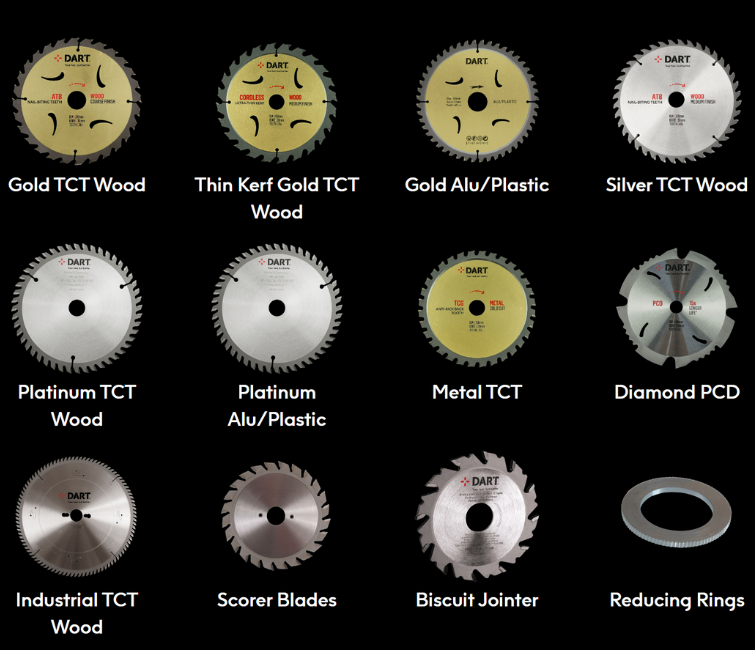
Comparing Different Brands And Models
Different brands and models of circular saw blades offer varied lifespans. Factors like material quality and usage frequency impact blade longevity. Comparing these can help determine the best option for your needs.
Comparing different brands and models of circular saw blades can help you choose the best one for your needs. The longevity of these blades varies significantly based on the brand and model. Understanding the differences can save you time and money in the long run.
Top-rated Brands
When it comes to circular saw blades, some brands consistently receive high praise. Brands like DeWalt, Bosch, and Makita are often lauded for their durability.
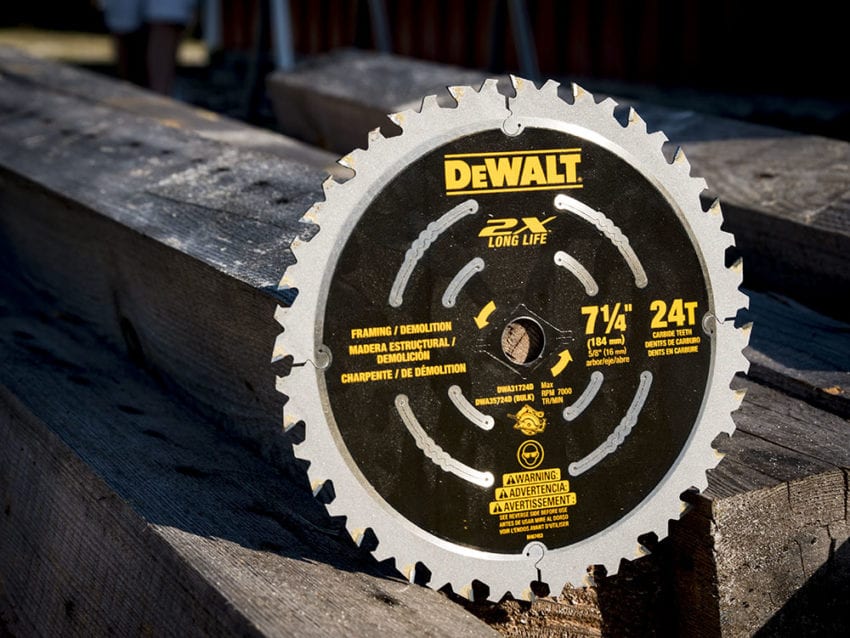
DeWalt blades are known for their long-lasting performance. You might find that a DeWalt blade outlasts others by several months.
Bosch offers blades that balance affordability and endurance. Users often report fewer replacements needed compared to other brands.
Makita blades are highly rated for their precision and cutting efficiency. This can be particularly beneficial if you need clean, accurate cuts.
Performance Comparisons
Performance can vary widely between different models within the same brand. Let’s break down some key comparisons:
- DeWalt’s construction-grade blades versus their fine finish blades: Construction-grade blades are built to handle tougher materials, while fine finish blades excel in producing smoother cuts.
- Bosch’s standard blades versus their premium carbide-tipped blades: Standard blades may wear out faster, whereas carbide-tipped blades offer extended life and better performance.
- Makita’s general purpose blades versus specialized blades: General purpose blades are versatile but specialized blades can offer superior results for specific tasks.
Your choice should depend on your specific needs. If you’re cutting hardwood regularly, a premium carbide-tipped blade might be worth the investment.
Ask yourself, what materials do you work with most often? How important is the quality of the cut? Do you prefer a blade that lasts longer or one that delivers a smoother finish?
Each brand and model offers unique benefits. By comparing them based on performance and durability, you can make an informed decision that aligns with your projects and budget.
Credit: www.darttoolgroup.com
Cost-effectiveness Of Blade Replacement
Replacing circular saw blades can sometimes seem like a hassle. But, it’s crucial for efficient work and cost savings. Understanding the cost-effectiveness of blade replacement helps make informed decisions. This ensures you get the best performance and longevity from your tools.
Cost Vs. Lifespan Analysis
The lifespan of a circular saw blade depends on various factors. These include the type of material being cut, frequency of use, and maintenance. A high-quality blade may cost more upfront but lasts longer. Cheaper blades may wear out faster, needing frequent replacements. This can lead to higher overall costs.
Consider the cost per cut rather than just the initial price. A durable blade may have a higher cost but offers more cuts before dulling. This makes it more cost-effective in the long run. Regular maintenance like cleaning and sharpening can also extend the blade’s life.
When To Invest In New Blades
It’s essential to know when to replace a blade. Signs include slower cutting speed, rough edges on cuts, and increased effort to push the saw. If you notice these signs, it’s time to invest in a new blade.
A sharp blade ensures clean cuts and reduces strain on the saw motor. This helps maintain the quality of your work and extends the tool’s life. Investing in a new blade when needed saves money by preventing damage to the saw.
Credit: www.protoolreviews.com
Frequently Asked Questions
When Should You Replace A Circular Saw Blade?
Replace a circular saw blade when it becomes dull, damaged, or shows signs of wear. Frequent burning and chipping indicate it’s time for a new blade. Regular inspection helps maintain cutting efficiency and safety.
How Many Cuts Does A Circular Saw Blade Last?
A circular saw blade typically lasts between 100 to 250 cuts, depending on the material and usage. Proper maintenance extends its life.
Is It Worth Sharpening Circular Saw Blades?
Yes, sharpening circular saw blades is worth it. It extends blade life, improves cutting performance, and saves money.
How Often Do Saw Blades Need To Be Replaced?
Saw blades need replacement every 6-12 months, depending on usage and material cut. Regular maintenance can extend their lifespan.
Conclusion
Circular saw blades vary in lifespan. Proper care extends their usage. Regular cleaning and correct storage are key. Remember to choose the right blade for each task. Sharpen or replace blades as needed. This ensures safety and efficiency. Happy cutting!