How to Choose Car Accessories Without Overbuying
Quick answer: Car Accessories works best when drivers treat it as a practical decision system, not a shopping shortcut. Start with the problem, confirm the vehicle context, check safety limits, and choose the simplest setup that solves the issue repeatedly.
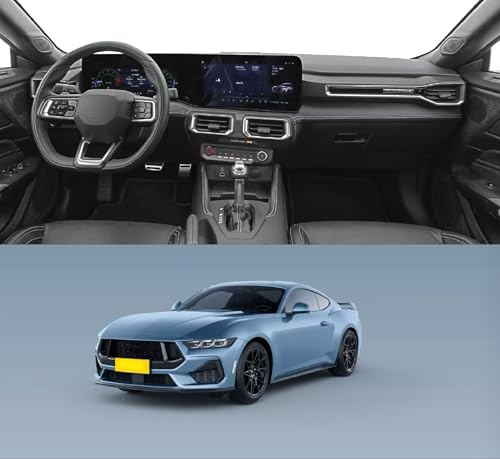
DUKLASSQ
DUKLASSQ Car Dash Cover for 2024 2025 2026 Ford Mustang Without HUD Accessories Dashboard Cover Mat Carpet Sunshade Windshield No Glare Black
- 【Custom Design】This grade High quality suede dash cover customs fit for 2024-2026 Ford Mustang Without HUD LHD. We have exact cuto…
- 【Safety】This dash cover protects the dashboard surface from ultraviolet rays that can cause cracks and warping. It can also cover…
- 【Premium Quality】High quality suede, soft to the touch and well-made. Good breathability and heat resistance, No pilling, No odor,…
What problem does car accessories solve for drivers?
Car Accessories solves a practical driver problem by reducing guessing. It helps drivers decide what to inspect, what to keep nearby, what to clean, what to organize, or what to avoid before a small issue becomes expensive.
The useful approach is simple: identify the problem, connect it to the vehicle situation, and choose the lowest-risk next step. A driver dealing with accessory checklist needs clear checks, not a long list of random products.
For more articles in the same cluster, use the Buying Guides hub. For a related next step, read new driver accessories. For a related next step, read car product comparison.
How should drivers think about car accessories before taking action?
Drivers should think about car accessories in 4 layers: safety, fit, frequency, and cost. Safety comes first because the wrong action can create a roadside hazard. Fit comes second because vehicle layouts, batteries, tires, dashboards, and garage spaces vary.
Frequency matters because occasional problems need compact, easy storage while weekly tasks need stronger tools and repeatable workflow. Cost matters last because the cheapest choice becomes expensive when it wastes time or causes damage.
| Decision layer | Question to ask | Why it matters |
|---|---|---|
| Safety | Can this be done without creating risk? | Prevents roadside, electrical, lifting, and visibility mistakes. |
| Fit | Does this match the vehicle and use case? | Reduces returns, wrong parts, and setup frustration. |
| Frequency | Will this be used monthly, seasonally, or once? | Controls how much space and budget it deserves. |
| Cost | Does the value match the problem? | Keeps the decision practical instead of emotional. |
Which checks matter most for car accessories?
The most important checks for car accessories are condition, compatibility, access, and warning signs. These 4 checks work across car care, roadside safety, electronics, tires, batteries, and garage tools because they separate useful action from guesswork.
- Condition: inspect wear, corrosion, cracks, leaks, loose parts, stains, or outdated supplies.
- Compatibility: confirm voltage, size, connector type, tire rating, surface material, or storage space.
- Access: make sure the item can be reached quickly when the driver needs it.
- Warning signs: pay attention to smells, sounds, dashboard lights, heat, vibration, and slow response.
What mistakes make car accessories less useful?
Car Accessories becomes less useful when drivers skip the actual symptom and jump straight to a purchase or repair. A tool, accessory, cleaner, or emergency item should support a clear decision. It should not hide the original problem.
Another mistake is storing helpful items where they cannot be reached. A tire gauge buried under luggage, a jump starter with no charge, or a cleaner used on the wrong surface creates friction exactly when the driver needs speed.
When should drivers stop and use a professional?
Drivers should stop and use a professional when car accessories involves airbags, brake hydraulics, high-current electrical work, fuel leaks, lifting a vehicle without proper stands, or any symptom that affects steering, braking, or visibility.
According to FTC auto warranty guidance, drivers should treat safety-related vehicle issues as serious, documented problems. For broader consumer and vehicle checks, NHTSA recalls database is a useful official reference.
How can drivers keep car accessories organized over time?
Drivers can keep car accessories organized by reviewing it every 6 months, removing expired or damaged items, charging battery-powered tools, cleaning storage cases, and writing down what failed during the last real use.
A simple maintenance note beats memory. Record the date, the vehicle, the problem, what worked, and what needs replacement. This habit turns scattered car gear into a practical support system for everyday driving.
FAQs about car accessories
What is the first thing to know about car accessories?
The first thing to know about car accessories is that context controls the right answer. Vehicle age, driving pattern, storage space, safety risk, and maintenance history matter more than a single feature or opinion.
How often should drivers review car accessories?
Drivers should review car accessories when the vehicle changes, a warning sign appears, a seasonal trip is planned, or a product stops solving the original problem. A 6-month check keeps tools, supplies, and decisions current.
Can beginners handle car accessories at home?
Beginners can handle basic car accessories decisions at home when the task is inspection, organization, cleaning, or simple setup. Stop and use a qualified technician when the work involves airbags, high current, lifting risk, brake systems, or unclear safety steps.
Related pick: Check today's price on Amazon