

Cross-cutting wide boards on a table saw can be tricky. It requires precision and the right technique to ensure safety and accuracy.
Working with large pieces of wood can be daunting. Wide boards, in particular, pose a unique challenge on a table saw. You might wonder how to handle them without compromising the cut quality or your safety. This guide will break down the process step-by-step.
We will provide you with the best practices and tips to cross-cut wide boards on a table saw. Whether you’re a seasoned woodworker or a beginner, this information will help you achieve clean, precise cuts every time. Let’s get started and make your woodworking projects smoother and more efficient.
Introduction To Cross Cutting
Cross cutting wide boards on a table saw can be challenging, but it’s an essential skill for any woodworker. This process involves cutting across the grain of the wood, which is different from ripping, where you cut along the grain. To ensure accuracy and safety, you need to master a few key techniques and follow some important safety precautions.
Importance Of Technique
Using the right technique is crucial when cross cutting wide boards. It helps you achieve clean, precise cuts that fit perfectly into your project. Without the correct technique, you might end up with uneven edges or splintered wood.
Mastering this skill can save you time and materials. It also boosts your confidence in handling larger projects. Think about the satisfaction of seeing your perfectly cut boards fit seamlessly together.
Safety Precautions
Safety should always be your top priority when working with a table saw. Begin by wearing appropriate safety gear, like goggles and ear protection. This equipment protects you from flying debris and loud noises.
Ensure your table saw is properly maintained and the blade is sharp. A dull blade can cause the wood to kick back, leading to potential injuries. Always use a push stick to guide the wood past the blade, keeping your hands at a safe distance.
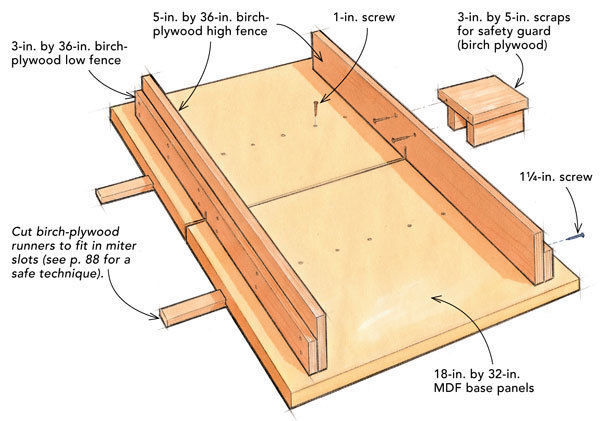
Consider using a crosscut sled for added stability. This tool helps you make more accurate cuts and reduces the risk of the wood moving unexpectedly. Have you ever experienced a board slipping mid-cut? A crosscut sled can prevent that.
As you dive into cross cutting, remember that practice and patience are key. Each cut you make brings you one step closer to mastering this essential woodworking skill.
Credit: www.finehomebuilding.com
Choosing The Right Table Saw
Choosing the right table saw is crucial when it comes to cross-cutting wide boards. The right saw ensures precision, safety, and ease of use. But with so many options available, how do you make the best choice?
Types Of Table Saws
There are several types of table saws, each suited for different needs. Let’s break them down:
- Portable Table Saws: These are lightweight and easy to transport. Ideal for small projects and limited workspace.
- Contractor Table Saws: A bit heavier but more powerful. Suitable for medium-sized projects and offers better stability.
- Cabinet Table Saws: These are heavy-duty and designed for professional use. They provide the highest precision and power, perfect for extensive woodworking projects.
Think about your typical projects. Do you move around a lot or have a dedicated workshop? This will help you decide which type fits your needs.
Essential Features
When choosing a table saw, certain features can make your work easier and safer. Here are some essential ones:
- Rip Capacity: The larger the rip capacity, the wider the boards you can cut. Aim for at least 24 inches for versatility.
- Motor Power: More power means smoother cuts. A motor with at least 1.75 horsepower is a good starting point.
- Fence System: A reliable fence ensures straight cuts. Look for an easy-to-adjust, sturdy fence.
- Dust Collection: Effective dust collection keeps your workspace clean and your lungs healthy. Check for built-in dust ports.
- Safety Features: Safety should never be compromised. Features like blade guards, riving knives, and anti-kickback pawls are vital.
Reflect on your own experiences. Have you ever struggled with dust or uneven cuts? Prioritize features that address these issues.
Choosing the right table saw might seem overwhelming, but breaking it down into types and essential features makes it manageable. Which table saw type do you think suits your projects best? Remember, the right choice will make your woodworking tasks more efficient and enjoyable.
Preparing The Work Area
Clear the area around the table saw. Ensure there’s ample space to maneuver wide boards safely. Remove any clutter that could cause accidents.
Preparing your work area is the first crucial step when you want to cross-cut wide boards on a table saw. A well-organized and equipped workspace not only makes the task easier but also ensures your safety. Let’s delve into how you can set up your space and gather the necessary tools.
Organizing Your Space
Start by clearing out any clutter. A messy area can lead to accidents or misplaced tools. Remove any unnecessary items from your table saw’s surroundings.
Ensure you have enough room to maneuver the wide boards. This will help you make precise cuts without any obstructions. If your work area is cramped, consider rearranging some of your tools or equipment to create more space.
Good lighting is essential. Make sure your work area is well-lit so you can clearly see the blade and the board. This helps avoid mistakes and ensures accurate cuts.
Gathering Necessary Tools
Collect all the tools you’ll need before you begin. This includes your table saw, a miter gauge or crosscut sled, clamps, and safety gear like goggles and ear protection.
Check that your table saw is in good working condition. Inspect the blade to ensure it’s sharp and properly aligned. A dull blade can cause rough cuts and increase the risk of kickback.
Use a miter gauge or crosscut sled to guide your board through the saw. This helps you achieve straight and accurate cuts. Make sure these tools are calibrated correctly.
Safety should always be your top priority. Wear goggles to protect your eyes from wood chips and ear protection to shield your hearing from the loud noise.
Have a push stick or push block handy. These tools help you keep your hands safe when guiding the board through the saw.
By organizing your space and gathering the necessary tools, you’ll be well-prepared to tackle cross-cutting wide boards on your table saw. Is there a particular tool or setup tip that has worked exceptionally well for you? Share your thoughts in the comments!
Selecting The Blade
Cross-cutting wide boards on a table saw requires precision and the right equipment. One crucial aspect to consider is selecting the right blade for the job. Choosing the correct blade ensures clean cuts and enhances safety. Let’s explore the different types of blades and how to maintain them.
Blade Types
There are various blade types for different purposes. The three main types are rip blades, crosscut blades, and combination blades. Rip blades are designed for cutting along the grain. They have fewer teeth and cut faster but rougher. Crosscut blades are for cutting across the grain. They have more teeth and provide a smoother finish. Combination blades offer a middle ground with a moderate number of teeth. They can handle both rip and crosscut tasks fairly well.
Blade Maintenance
Maintaining your blade is essential for optimal performance. Clean the blade regularly to remove pitch and resin buildup. Use a brush and cleaning solution for this task. Check the blade for any signs of damage, such as chipped teeth. Replace the blade if it shows significant wear. Sharpen the blade periodically to keep it in top condition. You can do this yourself or take it to a professional.
Setting Up The Table Saw
Before cutting wide boards on a table saw, you must set up the saw correctly. Proper setup ensures safety and accurate cuts. Pay close attention to blade height and fence alignment.
Adjusting Blade Height
Set the blade height to match the thickness of your board. The blade should extend just above the board. This minimizes the risk of kickback. Use the height adjustment wheel to raise or lower the blade. Check the height from different angles to ensure accuracy.
Aligning The Fence
Align the fence parallel to the blade. This ensures straight cuts. Unlock the fence lever and slide the fence into position. Use a measuring tape to check the distance from the blade to the fence. Ensure the distance is the same at the front and back. Lock the fence securely in place.
Double-check the alignment before starting the saw. A misaligned fence can cause inaccurate cuts and safety hazards. Take your time to get this step right.

Credit: www.reddit.com
Measuring And Marking The Board
Measuring and marking the board is essential for accurate cuts. It’s the first step in ensuring your project comes together smoothly. Proper measurements and markings make a difference. Let’s dive into how to do it right.
Accurate Measurements
Start with a reliable tape measure. Place it along the board’s edge. Ensure it’s straight and aligned. Hold it firmly to avoid shifts. Measure twice to confirm accuracy. Write down the measurements immediately. This prevents errors and saves time.
Consider using a ruler for smaller boards. Align it carefully. Double-check your readings. Precision is key. Mistakes at this stage can ruin the cut. Use a pencil to mark the points. This helps in making straight lines.
Marking Guidelines
Use a carpenter’s pencil for clear markings. Make visible, but thin lines. Avoid thick marks that can cause confusion. Use a square to draw straight lines across the board. This ensures your cut is accurate.
Mark both sides of the board. This helps in aligning the saw blade. Clear markings guide the cut better. Ensure all lines are straight. A small mistake can lead to a crooked cut. Check your markings twice.
Executing The Cross Cut
Cross cutting wide boards on a table saw requires precision. Ensure the board is secure and use a miter gauge for straight cuts. Safety measures are essential to avoid accidents.
Executing a cross cut on a wide board using a table saw can be daunting, especially if you’re not familiar with the process. It’s crucial to focus on technique and handling to ensure safety and precision. Let’s break down the steps to make this task easier and more manageable.
Proper Cutting Technique
First, ensure your saw blade is sharp and properly aligned. A dull blade can cause the wood to splinter, ruining your cut.
Use a miter gauge for guiding your cut. It helps maintain accuracy and prevents the wood from moving during the cut. Trust me, you don’t want a wobbly board when you’re dealing with a powerful tool.
Set the blade height slightly higher than the board’s thickness. This ensures a clean cut without excessive resistance. Think of it as giving the blade just enough room to do its job effectively.
Stand to the side of the board, not directly behind it. This positioning prevents you from getting hit by any kickback.
Push the board steadily and firmly. Avoid rushing the cut as this can lead to mistakes. A slow, steady pace keeps the cut clean and safe.
Handling Wide Boards
Wide boards can be tricky. Their size makes them harder to maneuver and control. Here’s how to handle them effectively:
Use a support system. Place a table or a roller stand on the outfeed side of your table saw. This support keeps the board level and prevents it from tipping.
Have someone assist you if possible. A second pair of hands can make a significant difference when handling large, cumbersome boards. It’s not just about making it easier but also safer.
Avoid cutting too much at once. If the board is exceptionally wide, consider cutting it in sections. This reduces the risk of binding and makes the process more manageable.
Do you remember the first time you used a table saw on a wide board? The sheer size can be intimidating. But with these tips, you’ll find it’s much more approachable.
Taking your time and using the right tools and techniques ensures not just a successful cut, but also your safety. Are you ready to tackle your next project with confidence?
Always remember, the key to a perfect cross cut on wide boards lies in proper technique and careful handling.

Credit: www.familyhandyman.com
Post-cut Procedures
After successfully cross-cutting wide boards on a table saw, it’s essential to follow some post-cut procedures. These steps ensure your project’s accuracy and safety. Let’s dive into the necessary actions after the cut.
Inspecting The Cut
First, examine the board for smoothness. Check for any splinters or rough edges. Ensure the cut is straight and accurate. Use a square to verify the angle. A precise cut will align perfectly with the square. If there are issues, adjust your saw settings. Re-cut if needed for a cleaner result.
Finishing Touches
Next, focus on finishing touches. Sand the edges to remove any roughness. Use fine-grit sandpaper for a smooth finish. Pay attention to the cut surface. It should be even and clean. Apply a sealer or finish to protect the wood. This step enhances the board’s durability and appearance. Finally, store your tools safely. Keep the workspace tidy to prevent accidents.
Common Mistakes To Avoid
Cross-cutting wide boards on a table saw can be tricky. Many woodworkers make common mistakes that can lead to inaccurate cuts and safety hazards. Knowing these mistakes can help you avoid them and ensure successful woodworking projects.
Inaccurate Measurements
Accurate measurements are crucial for precise cuts. One common mistake is not double-checking measurements before cutting. Using a reliable measuring tape and marking clearly can help. Also, ensure your saw’s fence is correctly aligned with the blade. Misalignment can cause uneven cuts.
Ignoring Safety Protocols
Safety should always be a priority. Many woodworkers neglect basic safety measures. Always wear safety goggles to protect your eyes. Use hearing protection to guard against loud saw noises. Also, never wear loose clothing or jewelry. They can get caught in the saw.
Another mistake is not using push sticks or push blocks. These tools keep your hands safe while guiding the wood through the blade. Always use a blade guard to cover the blade. It prevents accidental contact and reduces the risk of injury.
Advanced Techniques
Learn how to cross cut wide boards safely and accurately on a table saw. This technique ensures precise, clean cuts for your woodworking projects. Follow simple steps and make your woodworking tasks easier.
Cross-cutting wide boards on a table saw can be challenging. Advanced techniques can make this process easier and safer. These methods improve precision and efficiency. Let’s explore some advanced techniques.
Using Jigs And Sleds
Jigs and sleds provide support for wide boards. They help guide the board through the saw. This ensures clean, straight cuts. Building a crosscut sled is a good start. Attach runners to the bottom of the sled. These fit into the table saw’s miter slots. Secure the board to the sled. This prevents movement during the cut. For repeatable cuts, consider a jig with a stop block. This keeps cuts consistent in length.
Multiple Board Cutting
Cutting multiple boards at once saves time. Align the boards on the table saw. Use clamps to secure them together. This prevents movement during the cut. Ensure the saw blade is sharp. A dull blade causes rough cuts. Adjust the blade height to match the board thickness. Double-check the alignment before cutting. This technique is perfect for batch projects. Always prioritize safety.
Frequently Asked Questions
How To Cross Cut Wide Boards?
To cross cut wide boards, use a circular saw with a straightedge guide. Ensure the board is securely clamped. Measure and mark the cut line clearly.
Can You Do A Cross Cut On A Table Saw?
Yes, you can do a cross cut on a table saw. Use a miter gauge for accuracy and safety.
What Device Should Be Used When Cross Cutting On The Table Saw?
Use a miter gauge for cross-cutting on a table saw. It ensures accurate cuts and enhances safety.
What Should You Never Use When Making A Cross Cut On The Table Saw?
Never use the rip fence when making a cross cut on the table saw. It can cause dangerous kickback.
Conclusion
Cross cutting wide boards on a table saw can be safe and easy. Use proper techniques and tools. Ensure your workspace is clear. Keep the board stable while cutting. Always wear safety gear. Practice makes perfect. With time, you will improve.
Your projects will look more professional. Enjoy your woodworking journey. Stay safe and keep learning.