

Finishing teak wood can enhance its natural beauty. It also increases its durability.
Teak wood is a popular choice for furniture and outdoor projects. It is known for its strength and resistance to the elements. But, to keep teak looking its best, it needs proper finishing. This process helps protect the wood and maintain its rich, warm color.
Whether you are working on a small piece or a larger project, knowing how to finish teak wood can make a big difference. In this guide, we will walk you through the steps to achieve a beautiful, long-lasting finish for your teak wood. Let’s get started!

Credit: www.therootsofhome.com
Preparing Teak Wood
Preparing teak wood for finishing is an essential step that ensures a smooth and durable surface. This process involves cleaning and sanding the wood to enhance its natural beauty. Let’s dive into how you can properly prepare your teak wood.
Cleaning The Surface
Start by cleaning the teak wood thoroughly. Dust, dirt, and old finishes can hinder the final look. Use a mixture of mild soap and water.
Gently scrub the surface using a soft brush. This will remove any grime without damaging the wood.
Rinse with clean water and let it dry completely. Avoid using harsh chemicals as they can strip the wood of its natural oils.
Sanding Techniques
Once the wood is clean and dry, it’s time to sand it. Begin with a medium-grit sandpaper (around 120-grit).
Sand in the direction of the wood grain. This helps to smooth out any rough patches and prepares the surface for finer sanding.
Next, switch to a finer grit sandpaper (around 220-grit). This step polishes the wood and ensures a smooth finish.
Always wipe away any dust between sanding steps. Use a tack cloth for best results.
Have you ever noticed how a well-prepared surface makes a world of difference in the final product? It’s the same with teak wood. Taking the time to clean and sand properly will result in a finish that lasts longer and looks stunning. What techniques have you found effective in preparing wood for finishing?
Choosing The Right Finish
Choosing the right finish for teak wood can make a significant difference. The finish you choose will affect the wood’s appearance and durability. Understanding the types of finishes and selecting the best one for your project is crucial.
Types Of Finishes
There are several types of finishes available for teak wood. Each type offers unique benefits and effects.
Oil Finishes: These finishes penetrate deep into the wood. They enhance the natural beauty of the teak and provide protection. Common oils include teak oil and tung oil.
Varnishes: Varnishes create a hard, protective layer on the wood surface. They offer a glossy finish and are durable. They are ideal for outdoor furniture.
Sealers: Sealers protect the wood from moisture and UV rays. They are easy to apply and maintain. They do not alter the wood’s natural color.
Stains: Stains add color to the wood while preserving its grain. They come in a variety of shades. They provide protection and enhance the wood’s look.
Selecting The Best Finish For Your Project
Consider the location of your teak wood project. For outdoor furniture, varnish or sealers work best. They offer strong protection against weather elements.
For indoor furniture, oil finishes are a great choice. They enhance the wood’s natural beauty and are easy to maintain.
Think about the look you want to achieve. If you prefer a natural look, use oil finishes or sealers. For a glossy appearance, choose varnishes.
Assess the maintenance level you can commit to. Oil finishes require regular reapplication. Varnishes and sealers need less frequent maintenance.
Choose a finish that suits your style and maintenance preference. Ensure it matches your project’s needs.
Applying The Finish
Applying the finish to teak wood is a crucial step. It enhances the wood’s appearance and protects it. You have two main methods: brushing and spraying.
Brushing Vs. Spraying
Brushing is straightforward. Use a high-quality brush. Apply thin, even coats. Let each coat dry. Sand lightly between coats.
Spraying offers a smoother finish. It is faster for large areas. A spray gun provides an even coat. Practice first to avoid drips.
Tips For Even Application
Start with a clean surface. Dust and dirt can ruin the finish. Apply thin coats. Thick coats can cause runs and drips. Work in a well-ventilated area. Proper airflow helps the finish dry evenly.
Use long, smooth strokes. This ensures an even coat. Overlap strokes slightly. This prevents missed spots. Take your time. Rushing can lead to mistakes.
Sand between coats. Use fine-grit sandpaper. This creates a smooth surface. Wipe off dust before applying the next coat.
Follow the manufacturer’s instructions. Each product may have specific drying times. Use the right tools for the job. Quality brushes and sprayers make a difference.
Drying And Curing
Proper drying and curing are essential to finish teak wood. Allow the wood to dry completely before applying any finish. This ensures durability and a smooth, polished look.
Drying and curing teak wood are essential steps to ensure its longevity and beautiful finish. Proper drying and curing prevent warping, cracking, and other damage. Let’s dive into the specifics of these processes.
Optimal Drying Conditions
Teak wood needs to dry in a controlled environment. Ideally, you should keep it in a space with good ventilation and stable temperature. This prevents moisture from causing damage.
Avoid placing teak wood in direct sunlight. It can cause the wood to dry unevenly and lead to cracks. Instead, choose a shaded area where air can circulate freely.
Have you considered using a dehumidifier? This can speed up the drying process and maintain optimal humidity levels. It’s a handy tool, especially in humid climates.
Curing Time And Process
Curing teak wood is a slower process than drying. It allows the wood to settle and stabilize. Typically, curing can take several months.
During curing, check the wood periodically. Look for any signs of moisture or mildew. Address these issues immediately to avoid long-term damage.
Patience is key here. Rushing the curing process can lead to problems. Imagine spending all that time and effort, only to find your teak wood warped. Give it the time it needs.
Do you have any experiences with drying and curing teak wood? How did you ensure it was done properly? Share your thoughts in the comments below.
Polishing And Buffing
Achieve a smooth finish on teak wood by polishing and buffing. First, sand the surface gently. Then, apply teak oil and buff with a clean cloth.
Polishing and buffing teak wood can transform a simple piece of furniture into a stunning work of art. This process not only enhances the wood’s natural beauty but also adds a protective layer that keeps it looking great for years. Whether you are a beginner or an experienced woodworker, polishing and buffing teak wood is a skill worth mastering.
Tools For Polishing
To polish teak wood, you need the right tools. A soft cloth is essential. Microfiber or cotton works best as they are gentle and won’t scratch the wood.
Polishing compounds or pastes are also necessary. These help to bring out the natural luster of the wood. Look for products specifically designed for teak.
A good-quality buffing pad or wheel can make the job easier. Attach it to a power drill for a smooth and even finish.
Achieving A Glossy Finish
Start by applying a small amount of polishing compound to your cloth. Rub it into the wood in a circular motion. This ensures even coverage and helps the wood absorb the polish.
Once the polish is applied, use a clean cloth to buff the surface. Buffing helps to remove excess polish and brings out the shine. Move the cloth in small, circular motions for the best results.
For a high-gloss finish, consider using a buffing pad attached to a power drill. This tool can achieve a professional-grade finish with minimal effort. Be gentle, and let the machine do the work.
You might wonder, is all this effort worth it? Imagine the joy of seeing your reflection in the gleaming surface of your teak furniture. Polishing and buffing are simple steps that can make a big difference. Try it, and you’ll see just how rewarding it can be.
Maintaining Teak Wood Finish
Finishing teak wood involves sanding the surface, applying teak oil, and sealing with varnish for a long-lasting shine. Regular maintenance includes cleaning and reapplying oil to keep the wood looking fresh and beautiful.
Teak wood is known for its durability and beautiful golden hue. But to keep it looking its best, regular maintenance is essential. Whether it’s a prized piece of furniture or a deck, proper care can extend the life and luster of your teak wood.
Routine Cleaning
Routine cleaning is the backbone of maintaining your teak wood finish. A simple wipe-down with a damp cloth can prevent dirt and grime from embedding into the wood.
For a more thorough clean, mix mild soap with water. Gently scrub the surface with a soft brush, and then rinse with clean water.
Always dry the wood completely with a towel to prevent moisture buildup. This routine helps keep your teak looking fresh and vibrant.
Periodic Reapplication
Periodic reapplication of teak oil or sealant is crucial for maintaining its finish. Over time, teak wood can become dry and lose its natural oils.
To avoid this, apply teak oil every few months. Use a clean cloth to rub the oil into the wood, following the grain.
Allow the oil to penetrate for about 15 minutes, then wipe off any excess. This simple step keeps the wood nourished and enhances its natural beauty.
Are you wondering how often you should reapply? It depends on the wood’s exposure to elements. Indoor teak may need less frequent oiling compared to outdoor furniture.
Regular upkeep ensures your teak wood remains in excellent condition for years. What small steps can you take today to care for your teak treasures?
Common Mistakes To Avoid
Finishing teak wood can be tricky. Many people make common mistakes that affect the final outcome. Knowing what to avoid can help achieve a smooth, beautiful finish.
Over-sanding Issues
Over-sanding teak wood is a common mistake. Sanding too much can damage the wood’s surface. Teak has natural oils that protect it. Over-sanding removes these oils, making the wood vulnerable. A light touch is best. Use fine-grit sandpaper and sand gently. This preserves the wood’s natural oils and beauty.
Inconsistent Application
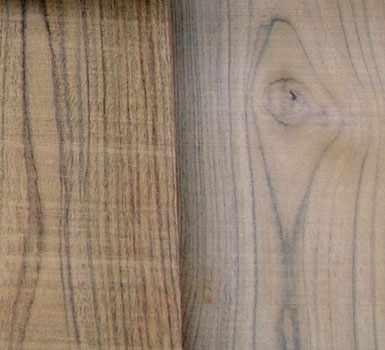
Inconsistent application of finish can lead to uneven results. Apply the finish in thin, even coats. Thick coats can cause streaks and uneven patches. Use a clean brush or cloth for each coat. Let each coat dry before applying the next. This ensures a smooth, even finish. Patience and consistency are key.
Credit: mys-teak.com
Expert Tips And Tricks
When it comes to finishing teak wood, getting that perfect look can be tricky. The right techniques can make a world of difference. Here are some expert tips and tricks to help you achieve a beautiful finish on your teak wood projects.
Secret Techniques
One lesser-known technique is the use of a teak sealer. Teak wood naturally produces oils that can interfere with the finishing process. A teak sealer locks in these oils, allowing for a smoother application of the finish.
Another tip is to sand the wood with the grain. This may seem basic, but it’s easy to overlook. Sanding against the grain can cause scratches that become more visible after the finish is applied.
Many experts suggest using a combination of hand sanding and power tools. Hand sanding lets you feel the surface and catch any imperfections that power tools might miss. I once spent hours fixing a table I rushed through with a power sander. Lesson learned!
Recommended Products
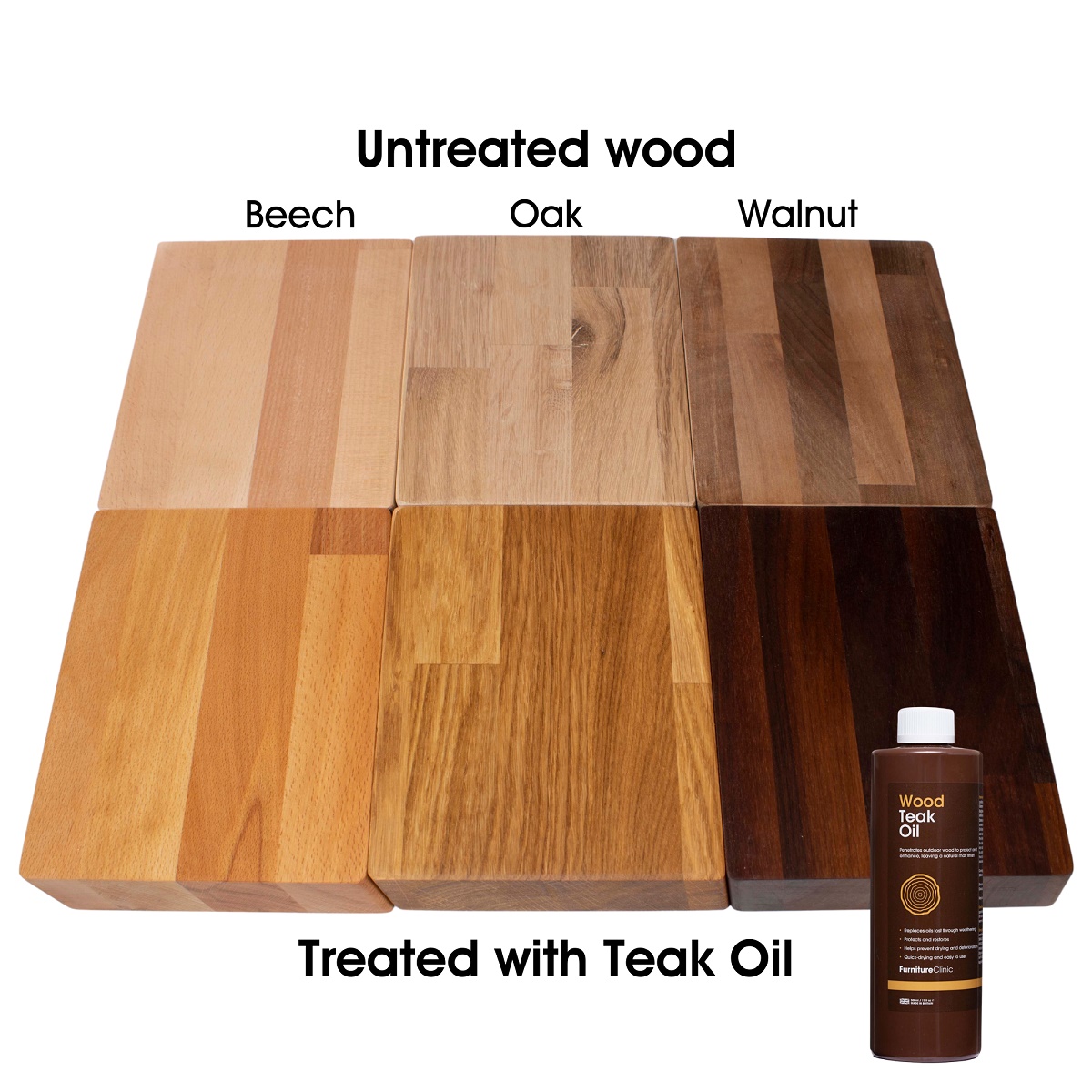
Choosing the right products can make or break your project. A high-quality teak oil is essential. Look for products specifically labeled for teak, as they are formulated to penetrate deeply into the wood.
For a more durable finish, consider a marine-grade varnish. These are designed to withstand the elements, making them perfect for outdoor furniture. I used marine varnish on my patio set, and it still looks great after several seasons.
Don’t forget about brushes and applicators. A foam brush is excellent for applying even coats of oil or varnish. If you prefer a more traditional approach, high-quality bristle brushes also work well.
Have you ever tried any of these techniques or products? What worked best for you? Share your experiences and tips in the comments below!
Credit: www.furnitureclinic.com
Frequently Asked Questions
What Is The Best Finish For Teak Wood?
The best finish for teak wood is teak oil or marine varnish. Both enhance durability and natural beauty.
Should Teak Be Oiled Or Sealed?
Teak can be oiled or sealed. Oil enhances natural color and grain. Sealer protects against moisture and stains. Choose based on preference.
What Is The Best Way To Finish Teak Furniture?
Apply teak oil or a marine-grade varnish for the best finish. Lightly sand the surface before applying. Reapply as needed for maintenance.
What Is The Best Way To Seal Teak Wood?
Apply teak oil or a marine-grade sealer for the best results. Clean the wood thoroughly before application. Repeat annually.
Conclusion
Finishing teak wood can be straightforward with the right steps. Clean the wood thoroughly. Apply a quality teak oil for best results. Maintain the finish regularly to keep it looking fresh. Always use proper tools and techniques. These steps will help preserve your teak wood’s natural beauty.
Enjoy the elegant and durable finish that teak wood offers. With a bit of care, your teak wood will last for many years.