To get bed bugs out of walls, hire a professional pest control service for effective treatment and removal. Bed bugs can be a persistent and frustrating problem, especially when they infest the walls of your home.
These tiny pests can hide in cracks and crevices, making it difficult to eliminate them completely on your own. Hiring a professional pest control service is essential to ensure thorough treatment and removal of bed bugs from your walls. These experts have the knowledge, experience, and tools required to locate and eliminate bed bugs effectively.
By enlisting their help, you can rest easy knowing that your walls will be free from these troublesome pests. Don’t let bed bugs take over your home – take action now to get them out of your walls for good!
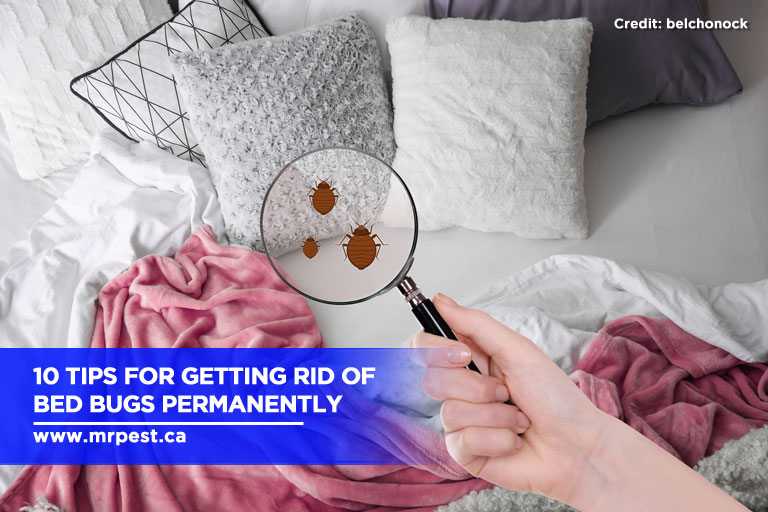
Credit: www.mrpest.ca
Understanding The Bed Bug Infestation In Walls
Understanding the Bed Bug Infestation in Walls
The Hiding Spots Of Bed Bugs
Bed bugs are tiny, flat insects that are notorious for their ability to hide in various nooks and crannies. When it comes to infesting walls, they can be found in several hiding spots:
- Wall cracks and crevices: Bed bugs can squeeze into the tiniest cracks and crevices in walls, making it difficult to detect them. These insects can fit into gaps as thin as a credit card, making it imperative to thoroughly inspect any cracks or crevices.
- Electrical outlets: Since electrical outlets provide an entry point to the inner walls, bed bugs often find refuge within them. These pests can hide behind the outlet cover or even within the outlet itself.
- Baseboards and crown moldings: Baseboards and crown moldings provide the perfect shelter for bed bugs, thanks to their tight spaces. These areas are commonly infested as they are close to their human hosts while offering ample hiding spots.
- Wallpapers: Bed bugs can easily hide underneath wallpapers, feeding on unsuspecting residents during the night. They can flatten their bodies to fit behind the wallpaper and go unnoticed for an extended period.
Signs Of A Bed Bug Infestation In Walls
If you suspect a bed bug infestation in your home, it’s essential to know the signs, especially in the walls. Familiarize yourself with the following indicators so you can take swift action:
- Blood stains: Bed bugs feed on blood, and when they are crushed or engorged, they leave behind blood stains on the walls.
- Dark spots or smears: Due to their digestive system, bed bugs excrete dark spots or smears which can be found on walls, indicating their presence.
- Musty odor: In severe infestations, walls may emit a distinct musty odor caused by bed bug pheromones. This smell is often described as sweet or sickeningly sweet.
- Evidence of shed skin or egg casings: As bed bugs go through multiple stages of growth, they shed their skin and leave behind egg casings. Look for these indicators near wall cracks and hiding spots.
Why Bed Bugs Choose Walls As Their Hiding Place
Bed bugs strategically choose walls as their hiding place for several reasons. Understanding their preferences can help in identifying and eliminating their infestation effectively:
- Proximity to their host: By residing in walls, bed bugs are in close proximity to their human hosts, allowing them easy access to feed during the night.
- Protection: Walls provide bed bugs with a protective barrier against disturbances, making it harder for humans to detect or eliminate them.
- Easy harborage: The cracks, crevices, and tight spaces within walls offer bed bugs ideal conditions for harborage. They can hide efficiently and reproduce without being easily detected.
- Warmth: Bed bugs are attracted to warmth, and walls can provide a suitable environment with desired temperatures, especially when heated during winter or by external sources.
Inspection And Preparation
When it comes to dealing with bed bugs, proper inspection and preparation are crucial steps in eliminating these pesky insects from your walls. In this section, we will discuss how to effectively inspect your room and prepare it for treatment. By following these steps, you can ensure that you have a solid foundation for getting rid of bed bugs.
Preparing The Room For Inspection
Before you begin inspecting your walls for bed bugs, it’s important to prepare the room to maximize your chances of finding any hidden infestations. Here’s what you need to do:
- Clear the room of any clutter or items that can obstruct your access to the walls. This includes furniture, bedding, curtains, and any personal belongings.
- Remove switch plates and electrical outlet covers. These are potential hiding spots for bed bugs and should be inspected separately.
- Seal off any cracks or crevices on the walls using caulk or sealant. This will help prevent bed bugs from escaping or reinfesting the room.
- Vacuum the room thoroughly, paying close attention to baseboards, corners, and any cracks in the walls. Empty the vacuum contents into a sealed bag or container to prevent bed bugs from spreading.
- Wash all bedding, curtains, and clothing in hot water and dry them on high heat. This will kill any bed bugs or eggs that may be present.
- Place mattress and box spring encasements over your bed to prevent bed bugs from infesting these areas while you inspect the walls.
How To Identify Bed Bug Hiding Spots In Walls
Bed bugs are skilled at hiding in small cracks and crevices, making them difficult to spot. Here are some common hiding spots in walls that you should inspect:
- Wall voids: Check for any openings or gaps in the walls where bed bugs may hide. Pay close attention to areas near electrical outlets and switch plates.
- Baseboards and trim: Bed bugs can squeeze into tiny spaces along the edges of the walls. Inspect the baseboards and trim for any signs of bed bug activity.
- Wallpaper and wall coverings: Lift and inspect the edges of wallpaper or wall coverings, as bed bugs may hide behind them.
- Cracks and crevices: Use a flashlight to carefully examine any cracks or crevices in the walls. Bed bugs may squeeze into these tight spaces.
- Picture frames and wall decor: Remove any pictures or wall decor and inspect the back of these items, as bed bugs can hide underneath or behind them.
Tools And Equipment Needed For Inspection
Having the right tools and equipment can greatly assist in your bed bug inspection. Here is what you will need:
| Tools | Equipment |
|---|---|
| Flashlight | Disposable gloves |
| Magnifying glass | Ziplock bags |
| Flathead screwdriver | Tape |
| Paint scraper | Plastic bags |
With these tools and equipment on hand, you can effectively inspect your walls for any signs of bed bugs. Remember to be thorough and meticulous in your examination, as bed bugs can be elusive. Once you have identified the infested areas, you can proceed with the appropriate treatment methods to eliminate bed bugs from your walls.
Non-chemical Methods Of Bed Bug Removal
If you have discovered a bed bug infestation in your walls, you may be wondering how to tackle the problem without resorting to chemical treatments. While chemicals can be effective, they may not be suitable for everyone, especially those with allergies or respiratory issues. Fortunately, there are non-chemical methods of bed bug removal that can help you eliminate these pesky pests from your walls. In this article, we will explore three effective techniques: steam treatment, cold treatment, and vacuuming.
Steam Treatment For Eliminating Bed Bugs In Walls
Using steam is an excellent way to kill bed bugs and their eggs hidden within the walls. Steam treatment works by exposing the insects to high temperatures, which effectively destroys them. Here’s how you can do it:
1. Start by ensuring that your steam cleaner’s temperature reaches at least 160 degrees Fahrenheit. Bed bugs cannot survive at this temperature.
2. Direct the steam nozzle towards the infested areas of your walls. Move the nozzle slowly and methodically, making sure to cover all cracks and crevices.
3. Pay particular attention to areas such as electrical outlets, baseboards, and any visible signs of bed bug activity. The steam should penetrate into these areas to kill the bed bugs and eggs effectively.
4. Repeat the steam treatment every few days for a couple of weeks to ensure that you have eliminated all the bed bugs in your walls.
Cold Treatment For Killing Bed Bugs In Walls
Another non-chemical method for getting rid of bed bugs in your walls is through cold treatment. Bed bugs are vulnerable to extreme cold temperatures, and exposing them to freezing conditions can be lethal. Here’s how you can perform a cold treatment:
1. Remove all items from the infested area and seal them in plastic bags. Make sure to seal the bags tightly to prevent any bed bugs from escaping.
2. Place the sealed bags in a freezer set at 0 degrees Fahrenheit or below. Keeping them in the freezer for 4-7 days will ensure that the bed bugs and their eggs are killed.
3. After the designated time has passed, remove the sealed bags from the freezer and let them thaw to room temperature.
4. Inspect the bags for any signs of live bed bugs. If you find any, repeat the freezing process until all the bugs have been eradicated.
Vacuuming To Remove Bed Bugs And Eggs From Walls
Vacuuming is a simple yet effective method for eliminating bed bugs and their eggs from your walls. It helps to physically remove the bugs and prevent their further spread. Here’s how to vacuum your walls:
1. Choose a vacuum cleaner with a strong suction power. A vacuum cleaner with a HEPA filter is preferred as it can collect even the tiniest of bed bugs and their eggs.
2. Use the crevice tool attachment to reach into cracks and crevices on your walls. Make sure to vacuum along baseboards, electrical outlets, and any other areas where bed bugs may be hiding.
3. After vacuuming, immediately dispose of the vacuum bag or empty the canister into a tightly sealed plastic bag.
4. Wash the vacuum cleaner attachments thoroughly with hot, soapy water to remove any remaining bed bugs or eggs.
By following these non-chemical methods of bed bug removal – steam treatment, cold treatment, and vacuuming – you can effectively eliminate bed bugs from your walls without the need for harmful chemicals. Implement these techniques carefully and consistently to ensure the best results. Remember, persistence is key when it comes to getting rid of bed bugs.
Chemical Methods For Bed Bug Eradication
When it comes to dealing with bed bugs, chemical treatments can be an effective solution, especially when the infestation has spread to the walls. In this section, we will discuss the various insecticides suitable for treating bed bugs in walls, how to apply them correctly, and the safety precautions you must take to ensure a successful eradication.
Insecticides Suitable For Treating Bed Bugs In Walls
If you have discovered bed bugs in your walls, it’s crucial to choose the right insecticide for treating the infestation. Not all insecticides are effective against bed bugs, so look for products specifically labeled for bed bug control. Some commonly used insecticides for treating bed bugs in walls include:
| Insecticide | Active Ingredient | Recommended Dosage |
|---|---|---|
| Deltamethrin | 0.03–0.06% | Apply as directed on the product label |
| Pyrethroids | Various | Follow product instructions carefully |
| Desiccants | Silica gel, diatomaceous earth | Apply a thin layer to areas prone to infestation |
Always read the product label and follow the manufacturer’s instructions for the correct application of the chosen insecticide.
Applying Insecticides Correctly In Wall Infested Areas
Applying insecticides in the infested areas of your walls requires precision and caution. Here is a step-by-step guide to help you effectively treat bed bugs in walls:
- Identify the areas of wall infestation; focus on cracks, crevices, and electrical outlets where bed bugs can hide.
- Prepare the chosen insecticide according to the instructions provided.
- Using a low-pressure sprayer, apply the insecticide to the infested areas, ensuring even coverage.
- Pay extra attention to wall voids, behind wall sockets, and around baseboards.
- If there are any visible cracks or crevices, fill them with an appropriate sealant to eliminate potential hiding places.
It’s crucial to follow the application instructions provided with the chosen insecticide, as improper use can result in reduced effectiveness.
Safety Precautions When Using Chemical Treatments
While chemical treatments can be effective, it is important to take proper safety precautions to protect yourself, your family, and pets from exposure. Follow these guidelines when using chemical treatments to eradicate bed bugs in walls:
- Wear protective gloves, goggles, and a mask to prevent direct contact with the insecticide and reduce inhalation risks.
- Ensure proper ventilation by opening windows and using fans to circulate air during treatment.
- Keep children, pets, and pregnant individuals away from the treated areas until the insecticide has dried completely.
- Avoid applying insecticides near food preparation areas or surfaces that come into direct contact with food.
- Store insecticides securely, away from the reach of children and pets.
By following these safety precautions, you can minimize the risks associated with chemical treatments and ensure a safe environment during the eradication process.
Professional Pest Control Services
Reasons To Hire Professional Pest Control Services For Bed Bug Removal
When it comes to getting rid of bed bugs from your walls, it’s essential to understand the importance of professional pest control services. While there are DIY methods available, they often fall short in eradicating these stubborn pests completely. Hiring professionals not only saves you time and effort but also ensures a thorough and effective treatment process.
How Professionals Eradicate Bed Bugs From Walls Effectively
Professional pest control services have the knowledge, experience, and resources to tackle even the most challenging infestations. They use a proven and scientific approach to eliminate bed bugs from your walls effectively. Here are some methods they employ:
- Inspection: Trained professionals conduct a detailed inspection to identify the extent of the infestation and locate all the hiding spots, including cracks, crevices, and voids within the walls.
- Treatment plan: Based on the inspection findings, professionals formulate a customized treatment plan that may involve a combination of techniques such as chemical treatments, steam heat, vacuuming, and targeted application of insecticides.
- Safe and targeted application: Professionals have access to safer and more potent insecticides that are not readily available to the general public. They apply these products in a targeted manner to ensure maximum effectiveness while minimizing risks.
- Follow-up visits: Bed bug removal is not a one-time treatment. Professionals schedule follow-up visits to assess the success of the initial treatment and conduct any necessary additional treatments to eliminate any remaining pests.
- Tips and guidance: Professionals provide valuable tips and guidance to prevent future infestations, including methods to maintain cleanliness, regular inspections, and necessary repairs to damaged walls or furniture.
Additional Benefits Of Hiring Professionals
Beyond the effective eradication of bed bugs from your walls, hiring professionals for pest control services offers additional benefits:
- Expertise: Professional exterminators are trained and experienced in dealing with various pest problems, allowing them to address any other potential pest issues that may exist alongside bed bugs.
- Time and cost savings: DIY attempts to eliminate bed bugs from walls can be time-consuming and expensive due to trial and error. Professionals, on the other hand, have efficient protocols in place to ensure quick and cost-effective elimination.
- Minimal disruption: Experienced pest control technicians perform their tasks efficiently and with minimal disruption to your daily routine. They are equipped with the necessary protective gear and tools to carry out their work safely.
- Peace of mind: Knowing that professionals are handling the bed bug removal process provides you with peace of mind. You can rest assured that the infestation will be dealt with thoroughly, minimizing the chance of a re-infestation.
Frequently Asked Questions Of How To Get Bed Bugs Out Of Walls
How Do Bed Bugs Get In The Walls?
Bed bugs can enter walls through cracks and crevices, electrical outlets, and pipes. They are excellent climbers and can easily move between rooms and floors.
How To Know If There Are Bed Bugs Inside The Walls?
Signs of bed bugs in walls include blood stains, fecal spots, and discarded exoskeletons. You may also notice a sweet, musty odor in the room infested with bed bugs.
Can Bed Bugs Survive Inside The Walls?
Yes, bed bugs can survive inside walls for extended periods. They can remain dormant for months without feeding. Eliminating them requires professional pest control treatment to reach hidden infestations.
How To Get Rid Of Bed Bugs Hiding In The Walls?
To eliminate bed bugs hiding in walls, it’s crucial to hire a professional pest control service. They will perform a thorough inspection and eradicate the infestation using specialized treatments.
Conclusion
Effectively eliminating bed bugs from your walls requires a comprehensive approach that combines thorough cleaning, proper treatment, and ongoing prevention. By following the steps outlined in this guide, you can successfully rid your walls of these pesky pests and ensure a bug-free environment in your home.
Remember to regularly inspect and monitor your living spaces to catch any potential infestations early on. With persistence and diligence, you can protect your walls and enjoy a peaceful night’s sleep.