

To keep a cast iron table saw from rusting, you must keep it clean and dry. Regular maintenance is key.
Cast iron table saws are durable and reliable. But they can rust if not cared for properly. Rust can damage the surface and reduce the tool’s lifespan. Rust can also affect the saw’s performance. It’s important to know how to prevent rust and protect your investment.
This guide will provide simple steps to keep your table saw in top condition. You don’t need special skills or expensive products. Just a few minutes of care can make a big difference. Stay with us to learn how to keep your cast iron table saw rust-free.

Credit: www.youtube.com
Importance Of Rust Prevention
Keeping your cast iron table saw free from rust is crucial. Rust not only ruins the appearance but also affects the tool’s performance. A well-maintained saw ensures precise cuts and extends the life of your equipment.
Rust on your table saw affects its smooth operation. You’ll notice the blade doesn’t glide as easily. This can lead to inaccurate cuts, which can be frustrating and time-consuming.
Besides, rust can damage the saw blade itself. This means frequent replacements, adding to your costs. Think about how much easier your projects will be when your table saw functions smoothly.
Rust can significantly shorten the lifespan of your table saw. It eats away at the metal, causing irreversible damage. Regular maintenance can prevent this, helping your saw last for many years.
Consider your table saw an investment. Taking simple steps to prevent rust ensures you get the most out of your money. Wouldn’t you prefer your tools to last longer rather than replacing them often?
Remember to clean and oil your cast iron table saw regularly. Store it in a dry place, and use a cover to protect it from moisture. These small actions can make a big difference in maintaining your saw’s condition.
Initial Cleaning Process
Start by wiping the table saw with a damp cloth to remove dust and debris. Apply a thin layer of mineral oil to protect the surface from rust.
The initial cleaning process is crucial to keep your cast iron table saw from rusting. This step ensures that any existing rust or debris is removed, providing a clean surface for further treatment. Proper cleaning can significantly extend the life of your tool.
Gathering Supplies
Start by gathering all necessary supplies. You will need:
– A soft-bristle brush
– Mild soap
– Water
– Clean cloths
– Rust remover (if needed)
– Steel wool or fine sandpaper
Having everything ready makes the process smoother and prevents unnecessary delays.
Cleaning Steps
Begin by dusting off the table saw using a soft-bristle brush. This removes loose debris and dust.
Next, mix mild soap with water. Dip a clean cloth into the soapy water and gently wipe down the surface. This removes dirt and grime without damaging the cast iron.
If you notice rust spots, apply a rust remover. Allow it to sit according to the product instructions. Then, use steel wool or fine sandpaper to scrub the affected areas gently.
Rinse the table saw with clean water and dry it thoroughly using a clean cloth. Ensuring the surface is completely dry is essential to prevent future rust.
Have you ever wondered why rust seems to appear out of nowhere? It’s often due to moisture left on the surface. By drying your table saw properly, you can avoid this common issue.
By following these cleaning steps, you are protecting your investment and ensuring your table saw remains in optimal condition.
Regular Maintenance Routine
Maintaining your cast iron table saw is essential to keep it rust-free and in top working condition. A regular maintenance routine will help extend its life and ensure smooth, precise cuts. Let’s dive into some practical steps you can take.
Daily Maintenance
Daily maintenance is quick and easy, yet it makes a big difference. Start by wiping down your table saw with a clean, dry cloth after each use. This removes any sawdust, which can hold moisture and promote rust.
Next, apply a thin layer of oil or a specialized rust inhibitor to the surface. I find that a simple spray of WD-40 works wonders. This creates a protective barrier against moisture. If you’re using the saw heavily, consider doing this before and after each use.
Weekly Checks
Weekly checks involve a bit more attention but are equally important. Inspect the surface of your table saw for any signs of rust. If you spot any, use fine steel wool to gently remove it. Be careful not to scratch the surface.
Additionally, check the miter slots and fence for any buildup of dust or debris. Clean these areas thoroughly. Also, verify that all moving parts are well-lubricated and move smoothly.
By incorporating these simple steps into your routine, you’ll keep your cast iron table saw in excellent condition. What tips or tricks have you found effective in maintaining your tools? Share your thoughts below!
Proper Storage Techniques
Proper storage of your cast iron table saw is crucial to prevent rust. Rust can damage your saw, affecting its performance and lifespan. Understanding the best storage methods ensures your tool remains in top condition.
Ideal Storage Conditions
Store your cast iron table saw in a dry place. Moisture is the main cause of rust. A controlled environment is essential. If possible, keep the saw in a climate-controlled room. This helps to avoid any moisture build-up.
Temperature fluctuations can also lead to condensation. Condensation can cause rust. Ensure the storage area has a stable temperature. A consistent temperature prevents condensation.
Protective Covers
Using protective covers can greatly reduce the risk of rust. Protective covers shield the table saw from dust and moisture. Choose covers made of rust-resistant materials. They provide an extra layer of protection.
A good cover fits snugly over the saw. It should cover all exposed parts. This prevents any moisture or dust from settling on the cast iron. Regularly check the cover for tears or wear. Replace it if necessary to ensure continuous protection.
Using Rust Inhibitors
Using rust inhibitors is a key method to protect your cast iron table saw from rusting. These inhibitors act as a barrier, preventing moisture and air from causing rust. They come in various types and can be applied in different ways. Below, we discuss the types of rust inhibitors and how to apply them effectively.
Types Of Inhibitors
There are several types of rust inhibitors. Each has its own advantages. The most common types include oil-based inhibitors, wax-based inhibitors, and spray-on inhibitors.
Oil-based inhibitors are easy to apply and provide a durable layer. They are perfect for long-term protection. Wax-based inhibitors create a thick, protective layer. They are excellent for heavy-duty protection.
Spray-on inhibitors are convenient and quick to use. They offer good protection and are ideal for regular maintenance. Choose the type that suits your needs and usage frequency.
Application Methods
Applying rust inhibitors is simple. First, clean the table saw surface thoroughly. Remove all dust, dirt, and old rust. Dry the surface completely to avoid trapping moisture.
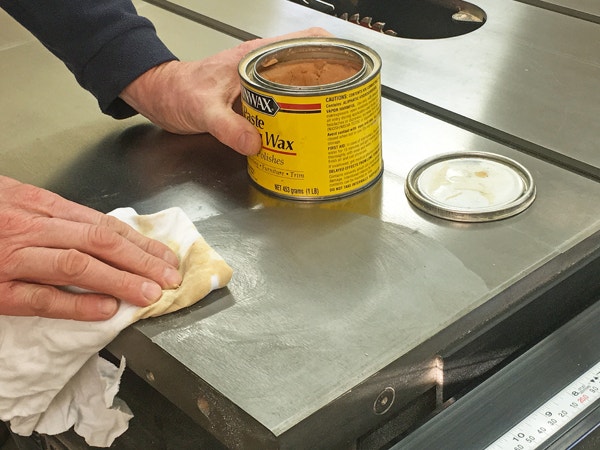
For oil-based inhibitors, use a clean cloth. Apply a thin, even layer over the surface. Make sure all areas are covered. For wax-based inhibitors, apply the wax using a cloth or brush. Spread it evenly and let it dry.
Spray-on inhibitors are the easiest to apply. Simply spray a light, even coat over the surface. Allow it to dry completely. Regular application ensures continuous protection. Keep your cast iron table saw rust-free and in top condition.
Credit: thewoodwhisperer.com
Handling Existing Rust
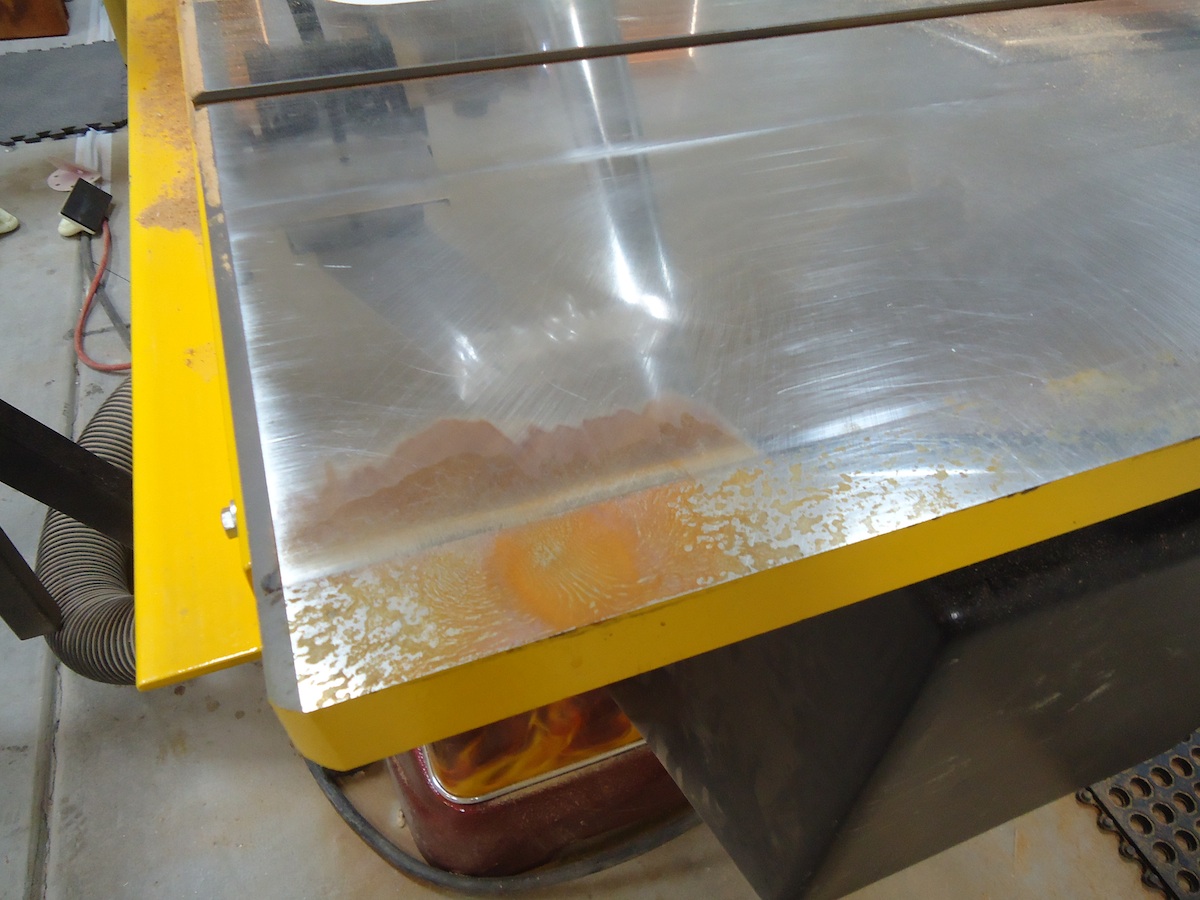
Handling existing rust on your cast iron table saw can seem daunting, but it’s essential for maintaining its longevity and performance. Rust not only damages the surface but can also impact the accuracy of your cuts. Let’s dive into some effective methods to tackle rust and restore your table saw to its former glory.
Rust Removal Methods
Removing rust is the first step. Start by gathering some basic supplies: steel wool, sandpaper, and a rust remover. These are your primary tools for the job.
Steel wool is excellent for scrubbing off surface rust. Apply some elbow grease and you’ll see the rust coming off.
If the rust is stubborn, use fine grit sandpaper to sand it down. Be gentle to avoid scratching the surface.
A rust remover can be highly effective. Apply it according to the instructions, and watch the rust dissolve. Remember to work in a well-ventilated area.
Restoring Surface
Once you’ve removed the rust, it’s time to restore the surface. This involves cleaning, smoothing, and protecting the metal.
Clean the surface thoroughly with a damp cloth to remove any debris or residue from the rust removal process.
Next, smooth the surface using a finer grit sandpaper. This step ensures that the table saw is ready for use and free from imperfections.
Finally, protect the surface to prevent future rust. Apply a thin layer of paste wax or a specialized cast iron protectant. This creates a barrier against moisture.
Have you ever tackled rust on your tools? What method worked best for you? Share your experiences in the comments below!
Environmental Factors
Environmental factors play a significant role in keeping your cast iron table saw from rusting. Understanding and controlling these elements can extend the life of your tool and ensure optimal performance. Let’s dive into how humidity and temperature impact your saw.
Humidity Control
Humidity is a major enemy of cast iron. Excess moisture in the air can cause rust to develop quickly. Keeping your workspace dry is crucial.
Invest in a dehumidifier to reduce moisture levels. This simple device can make a huge difference in preventing rust.
If you live in a particularly humid area, consider storing your table saw in a climate-controlled space. This ensures consistent humidity levels.
Regularly check for signs of moisture and wipe down your saw after use. A little vigilance goes a long way.
Temperature Effects
Temperature fluctuations can also impact the condition of your cast iron table saw. Rapid changes can lead to condensation, which promotes rust.
Keep your workspace temperature stable. Avoid placing your saw near windows or doors where temperature changes are frequent.
During colder months, ensure your saw is not exposed to freezing temperatures. Use a space heater if necessary to maintain a warmer environment.
Have you noticed rust forming after a cold snap? It’s likely due to condensation. Keep your saw covered during temperature shifts to minimize exposure.
Taking these steps to manage environmental factors can help keep your cast iron table saw in top condition. What changes can you make today to protect your tools from rust?
Credit: www.rockler.com
Expert Tips And Tricks
Keeping your cast iron table saw from rusting requires some expert tips and tricks. Proper maintenance ensures longevity and optimal performance. Let’s dive into the best advice and common mistakes to avoid.
Professional Advice
Regularly clean your table saw to remove dust and debris. Use a soft cloth to wipe down the surface. Apply a thin coat of protective oil or paste wax to prevent moisture. Store your table saw in a dry area. Use a dehumidifier if needed. Cover it with a breathable material when not in use. This keeps it dust-free and dry.
Common Mistakes
Do not leave the saw exposed to weather. Avoid using water-based cleaners. They can cause rust. Do not neglect regular maintenance. Accumulated dust can trap moisture. This leads to rust. Do not store your table saw in a damp place. Humidity accelerates rust formation. Avoid using abrasive materials for cleaning. They can damage the surface and invite rust.
Frequently Asked Questions
How To Keep A Cast Iron Table Saw Top From Rusting?
Keep your cast iron table saw top rust-free by cleaning it regularly, applying a protective coating, and using a rust inhibitor. Store in a dry place.
How Do You Prevent Cast Iron From Rusting?
Prevent cast iron from rusting by seasoning it regularly. Dry thoroughly after washing. Apply a thin layer of vegetable oil. Store in a dry place. Avoid soaking in water.
What Do You Put On A Table Saw To Keep It From Rusting?
Apply paste wax or a rust inhibitor to the table saw surface. Clean regularly to prevent moisture buildup.
How To Protect A Cast Iron Table Saw?
Apply a thin coat of paste wax regularly. Keep the table saw dry and clean. Use a cover when not in use. Avoid leaving objects on the surface.
Conclusion
Preventing rust on your cast iron table saw is essential. Regular cleaning helps maintain its condition. Use a protective cover when not in use. Apply a thin coat of oil for added protection. Store it in a dry place to avoid moisture.
These simple steps can extend the life of your tool. Keep your table saw rust-free and ready for your next project. Your efforts will pay off in better performance and longevity. Happy woodworking!