

To keep wood against the fence on a table saw, follow these steps. Ensure the wood stays aligned and secure for precise cuts.
Proper techniques can prevent accidents and improve your woodworking projects. Using a table saw can be tricky without the right approach. Keeping the wood firmly against the fence is essential for clean, accurate cuts. This guide will help you understand the best practices to achieve this.
Whether you are a beginner or an experienced woodworker, knowing how to maintain control over your wood piece is crucial. Learn the techniques to keep your wood steady, avoid kickbacks, and make safer, more efficient cuts on your table saw.
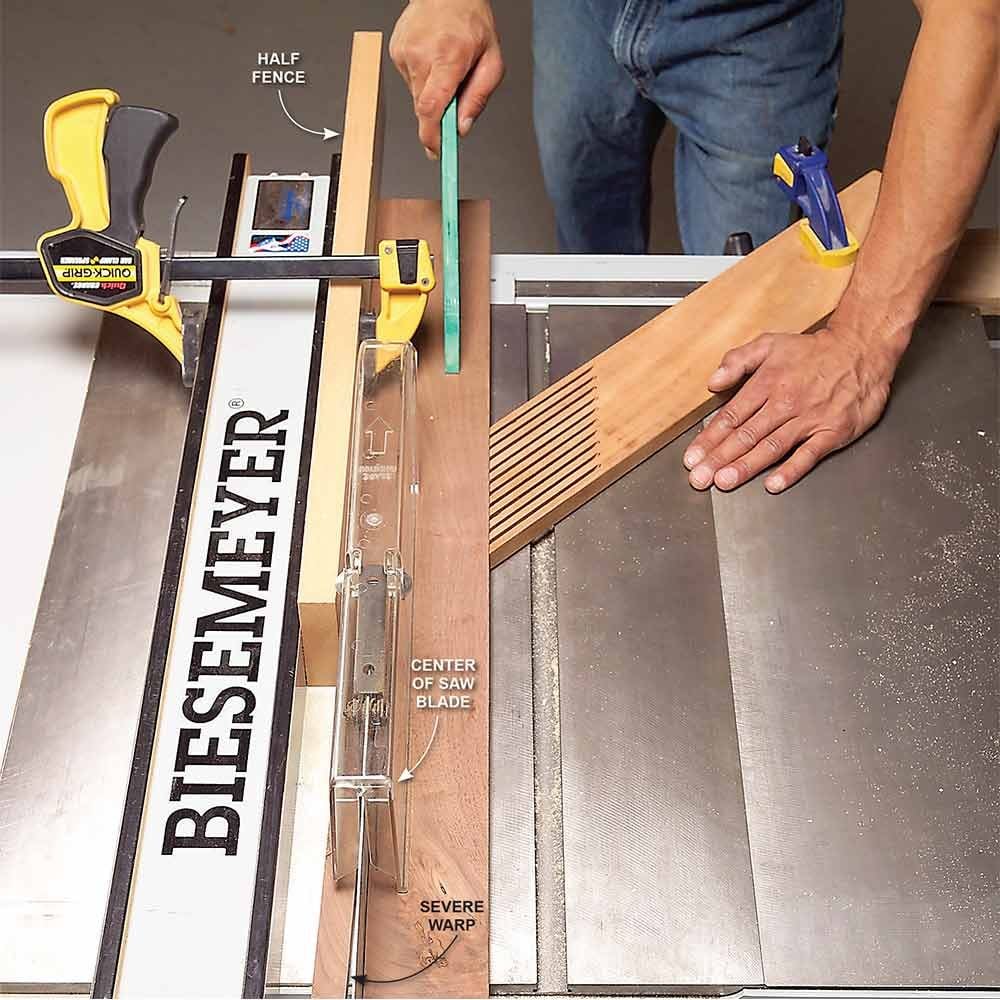
Credit: www.familyhandyman.com
Introduction To Woodworking With A Table Saw
Woodworking with a table saw is an essential skill for any woodworker. This versatile tool allows you to make precise cuts and shapes in wood. Whether you’re a beginner or an experienced craftsman, using a table saw can enhance your projects.
Importance Of Accuracy
Accuracy is crucial when working with a table saw. Precise cuts ensure that your pieces fit together perfectly. This helps in creating strong and beautiful joints. Always measure twice before cutting. Use guides and fences to keep the wood steady. This reduces the chance of mistakes and improves the quality of your work.
Safety Considerations
Safety should be your top priority while using a table saw. Always wear safety glasses to protect your eyes from flying debris. Keep your hands away from the blade. Use push sticks or push blocks to guide the wood. Make sure the blade guard is in place. Disconnect the saw from the power source when changing blades or making adjustments.
Maintaining a clean workspace is also important. Remove sawdust and scraps regularly. This prevents slips and keeps the saw running smoothly. Follow these safety tips to ensure a safe and productive woodworking experience.
Choosing The Right Table Saw
Choosing the right table saw is crucial for keeping wood against the fence effectively. A good table saw ensures precise cuts and enhances safety. Let’s dive into the different types of table saws and what features you should look for.
Types Of Table Saws
There are various types of table saws available, each suited for different needs:
- Benchtop Table Saws: These are lightweight and portable. Ideal for small projects and limited space. However, they might lack the power for heavy-duty tasks.
- Contractor Table Saws: These offer more power and a larger table surface. They are a good middle ground for hobbyists and professionals.
- Cabinet Table Saws: These are heavy, powerful, and extremely precise. They are suitable for professional woodworkers with ample space.
- Hybrid Table Saws: These combine features of contractor and cabinet saws. They offer good power and precision, making them versatile for various tasks.
Think about your specific needs and workspace before deciding on a type. A bulky cabinet saw might be overkill for occasional DIY projects.
Features To Look For
When choosing a table saw, certain features can make a big difference:
- Fence System: A sturdy and adjustable fence ensures accurate cuts. Look for a saw with a reliable fence that locks securely.
- Motor Power: Higher horsepower allows for smoother cuts through thicker wood. If you frequently work with hardwood, opt for a more powerful motor.
- Safety Features: Blade guards, riving knives, and anti-kickback pawls are essential for safety. Ensure your saw includes these features.
- Dust Collection: Efficient dust collection keeps your workspace clean and improves visibility. A saw with a good dust collection port is a plus.
- Table Surface: A flat and smooth table surface ensures stability. Check the material and finish of the table to avoid wobbling or uneven cuts.
Remember, investing in the right features can save you from frustration and mishaps. For instance, I once struggled with a flimsy fence that wouldn’t stay aligned, ruining several projects.
Have you ever faced similar issues with your table saw? Choosing wisely can make your woodworking experience smoother and more enjoyable.
Preparing The Wood
Preparing the wood is a crucial step in ensuring precise and safe cuts on a table saw. This process involves selecting the right wood and making accurate measurements and markings. Each step must be done with care to achieve the best results. Read on to learn how to prepare wood for cutting on a table saw.
Selecting Quality Wood
Start with good quality wood. Choose pieces that are straight and free of defects. Avoid wood with knots, cracks, or warping. These imperfections can cause problems during cutting. They can also pose safety risks.
Hardwoods like oak or maple are good choices. They are durable and cut cleanly. Softwoods like pine can work too, but they are more prone to splintering. Make sure the wood is dry and properly seasoned. Wet or green wood can bind the saw blade.
Measuring And Marking
Accurate measurements are key. Use a reliable measuring tape or ruler. Measure twice to ensure accuracy. Mark your cut lines clearly with a pencil. Use a straightedge to keep lines straight.
For repetitive cuts, use a stop block. This ensures each piece is cut to the same length. Mark both the start and end points of your cuts. This helps you align the wood correctly against the fence. Double-check your markings before cutting.
Use a marking knife for finer details. It provides a cleaner line than a pencil. This is useful for more precise cuts. Proper marking helps guide your cuts and ensures consistency.
Setting Up The Fence
Aligning wood against the fence on a table saw ensures accurate cuts. Secure the wood firmly to prevent shifting. Adjust the fence for precise measurements.
Setting up the fence on a table saw is crucial for achieving precise and safe cuts. A well-aligned fence ensures that your wood stays firmly against it, preventing any wobbling or inaccuracies. Let’s dive into the details to make sure you get the setup right.
Aligning The Fence
Begin by ensuring your fence is parallel to the blade. Use a measuring tape or a ruler to check the distance between the fence and the blade at both ends.
Adjust the fence until the measurements match. This prevents the wood from drifting during the cut, which can lead to uneven edges.
A pro tip: Lock the fence securely after alignment to prevent any movement during cutting. This can save you from potential mishaps.
Adjusting For Different Cuts
Different cuts require different fence settings. For ripping cuts, position the fence closer to the blade. This helps in making narrow cuts with precision.
For wider cuts, move the fence further away. Ensure that you have enough space to safely push the wood through without binding or kickback.
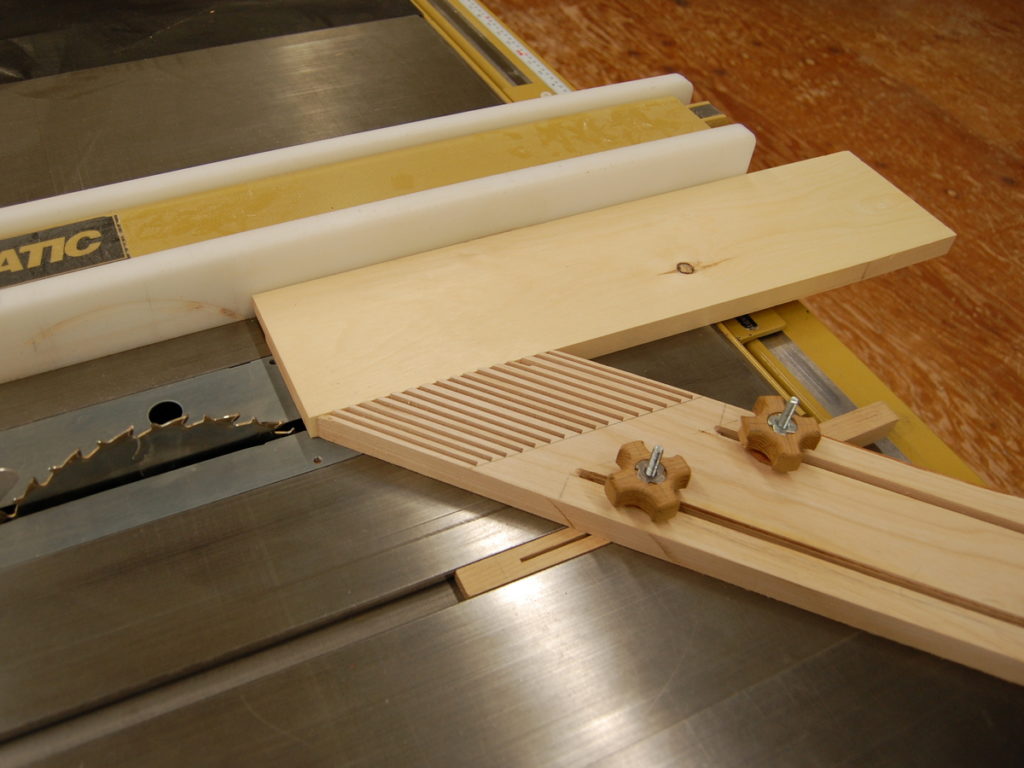
Use a featherboard for additional support if you’re making long, repetitive cuts. It keeps the wood tight against the fence, ensuring consistency.
Have you ever experienced wood binding or kickback? Adjusting the fence correctly can prevent these issues, making your cutting process smoother and safer.
Remember, your table saw is only as good as your setup. Taking the time to properly align and adjust your fence can make a significant difference in your woodworking projects.
Are there specific challenges you face with your table saw fence setup? Addressing these can help improve your overall woodworking experience.
Techniques For Keeping Wood Against The Fence
Keeping wood against the fence on a table saw is crucial for precision and safety. Proper techniques ensure smooth cuts and reduce risks. Here, we will explore effective methods to maintain wood against the fence. These methods involve using featherboards and applying steady pressure.
Using Featherboards
Featherboards are essential for keeping wood against the fence. They prevent the wood from moving sideways during a cut. Attach a featherboard to the table saw’s fence. Adjust it to press the wood firmly against the fence. This ensures consistent pressure and a straight cut. Featherboards also reduce kickback risks. They hold the wood securely throughout the cutting process. Use featherboards made of durable material. Plastic or wood featherboards work well. Ensure the feathers are flexible yet sturdy. This flexibility helps maintain pressure without damaging the wood.
Applying Steady Pressure
Consistent pressure is key to keeping wood against the fence. Use both hands to guide the wood. One hand pushes the wood forward. The other hand keeps the wood against the fence. This dual action ensures stability and control. Avoid applying too much pressure. Excessive force can lead to uneven cuts or accidents. Use push sticks or blocks for added safety. They help maintain pressure without getting hands too close to the blade. Practice maintaining steady pressure. Over time, it will become second nature.
Credit: pressbooks.bccampus.ca
Common Mistakes And How To Avoid Them
Using a table saw to cut wood against the fence can be tricky. Many beginners make mistakes that affect the accuracy and safety of their cuts. Understanding these common errors will help you avoid them and achieve better results.
Inconsistent Pressure
Applying inconsistent pressure on the wood can lead to uneven cuts. This happens when you push harder at some points and softer at others. To avoid this, maintain steady and even pressure throughout the cut. Use both hands to guide the wood smoothly. Practice makes perfect, so take your time to get a feel for it.
Incorrect Fence Alignment
Incorrect fence alignment is a common mistake. If the fence is not parallel to the blade, your cuts will be crooked. Check the fence alignment before each cut. Use a square to ensure it is perfectly parallel. An aligned fence will produce accurate and clean cuts.
Maintenance And Care For Your Table Saw
Keep wood steady against the fence on a table saw by using a push stick. Ensure the fence is properly aligned. Regularly check for wear and tear.
Maintaining and caring for your table saw is crucial to ensure its longevity and optimal performance. Proper maintenance not only extends the life of your equipment but also guarantees safer and more precise cuts, especially when keeping wood against the fence. Regular attention to cleaning and alignment can make a significant difference in your woodworking projects.
Cleaning The Saw
Dust and debris can accumulate quickly on your table saw, affecting its efficiency. Make it a habit to clean your saw after each use. Use a brush or compressed air to remove sawdust from the table surface and motor vents.
A clean saw reduces friction and ensures smooth operation. Pay special attention to the blade area and miter slots, as they can become clogged with residue, impacting your cuts.
Checking Fence Alignment Regularly
A misaligned fence can ruin your cuts and compromise safety. To keep your wood against the fence accurately, check the alignment regularly. Use a square to verify that the fence is parallel to the blade. Adjust it if necessary.
Even slight misalignments can lead to inaccurate cuts and potential hazards. Regular checks prevent these issues, ensuring your projects come out as intended.
Do you often overlook maintenance tasks due to a busy schedule? Prioritize these steps to keep your table saw in top condition and improve your woodworking experience.
Expert Tips For Better Results
Working with a table saw requires both skill and knowledge. Keeping wood against the fence properly can make a big difference in your project. Here are some expert tips for better results.
Enhancing Precision
Ensure the fence is parallel to the blade. This keeps the cut straight. Use a ruler to check alignment. Adjust as needed. Next, apply even pressure on the wood. This prevents drifting. Use a push stick for smaller pieces. It provides better control and safety.
Improving Safety Practices
Always wear safety gear. Goggles and ear protection are a must. Keep fingers away from the blade. Use a push block. This helps guide the wood safely. Maintain a clean work area. Remove all debris. This prevents accidents. Check the blade guard. It should be in place and functional. Regularly inspect your table saw. Ensure all parts work correctly.

Credit: www.reddit.com
Frequently Asked Questions
How To Hold Wood On A Table Saw?
Use a push stick to guide the wood. Keep your hands clear of the blade. Securely clamp the wood before cutting. Ensure the fence is aligned. Maintain steady pressure while pushing the wood through.
How To Keep A Table Saw Fence Straight?
To keep a table saw fence straight, regularly check alignment. Adjust bolts and screws as needed. Use a reliable measuring tool. Lubricate the fence rails for smooth movement.
What Is The #1 Danger When Using A Table Saw?
The #1 danger when using a table saw is kickback. Kickback happens when wood is thrown back towards the user. This can cause severe injuries.
What Side Should The Fence Be On A Table Saw?
The fence on a table saw should be on the right side of the blade. This provides better control and safety.
Conclusion
Keeping wood against the fence on a table saw is crucial. It ensures straight, accurate cuts. Remember to maintain a firm grip on the wood. A push stick can enhance safety. Always wear protective gear. Follow these tips for better results.
Practicing these steps will lead to improved skills. Keep your tools well-maintained. Safety and precision go hand in hand. Happy woodworking!