

You can make dado cuts without a table saw. It’s simpler than you think.
Dado cuts are essential for many woodworking projects. They create strong joints and add stability to your work. But what if you don’t have a table saw? Don’t worry. You can still achieve precise dado cuts with alternative tools and methods.
This guide will show you how. From using a circular saw to employing a router, there are several ways to get the job done. Each technique has its own steps and tips. By the end of this article, you’ll know exactly how to make dado cuts without a table saw. Let’s dive in and explore these techniques.
Introduction To Dado Cuts
Dado cuts are versatile woodworking techniques. They are useful for creating strong joints. Many woodworkers use dado cuts for various projects. Understanding dado cuts can help you achieve better results.
What Are Dado Cuts?
Dado cuts are grooves cut into wood. They run across the grain. The groove is usually rectangular. It allows another piece of wood to fit into it snugly. Dado cuts can vary in width and depth. The size depends on the project requirements.
Common Uses Of Dado Cuts
Dado cuts have many uses in woodworking. They are often used in bookcases. Shelves fit securely into the grooves. This method provides strong support. Dado cuts are also common in cabinet making. They help in joining panels and shelves.
Another use is drawer construction. Dado cuts create sturdy drawer bottoms. They can also be found in furniture making. Dado cuts add strength to frames and panels. They are essential for many woodworking projects.
Essential Tools And Materials
To make dado cuts without a table saw, you will need a circular saw, chisel, and measuring tools. Ensure you have clamps to secure your wood pieces.
When it comes to making dado cuts without a table saw, having the right tools and materials is crucial. You can achieve professional results with simple hand tools and some safety equipment. Let’s explore what you’ll need to get started.
Basic Hand Tools
You don’t need a workshop full of power tools to make dado cuts. A good set of basic hand tools will do the trick.
A sharp chisel set is essential. You can use these to clean up the edges of your cuts. Make sure they are sharp; a dull chisel can ruin your work.
A marking gauge helps you score precise lines. This tool is invaluable for ensuring your dado cuts are straight.
A handsaw, like a dovetail saw or a tenon saw, is perfect for cutting along the lines you’ve marked. Choose one with fine teeth for smoother cuts.
Finally, clamps are your best friends. They hold your workpiece steady, allowing you to focus on making accurate cuts.
Safety Equipment
Safety should never be an afterthought. Ensure you have the right gear to protect yourself.
Safety goggles are a must. They protect your eyes from wood chips and splinters.
Dust masks keep you from inhaling sawdust. Even small particles can be harmful over time.
Gloves can protect your hands from cuts and abrasions. However, make sure they don’t impede your grip and control over the tools.
Ear protection might not seem necessary, but if you’re using a handsaw frequently, the noise can add up. Protect your hearing with earplugs or earmuffs.
Are you using these safety precautions? If not, you might be risking more than just a bad cut.
Taking the time to gather these essential tools and materials will make your dado cutting experience smoother and safer. So, what’s stopping you from getting started?
Choosing The Right Wood
Choosing the right wood is crucial when making dado cuts without a table saw. The type of wood and its grain can affect the ease of cutting and the quality of the final joint.
Types Of Wood
Softwoods like pine or cedar are easier to cut by hand. They are less dense and more forgiving. Hardwoods like oak or maple are tougher but provide stronger joints. Each type of wood has its own characteristics. Consider the project’s needs before selecting the wood.
Wood Grain Considerations
The grain direction impacts the cut’s smoothness. Cutting along the grain is easier and results in cleaner cuts. Working against the grain can cause tear-outs and rough edges. Always check the wood grain before you start cutting. It can save you time and effort.
Marking And Measuring
Making dado cuts without a table saw can seem daunting, but with the right approach to marking and measuring, you’ll find it quite manageable. Precise markings and measurements are critical to ensure your cuts are accurate and clean. Let’s delve into the specifics of accurate measurements and marking techniques to make your dado cuts perfect.
Accurate Measurements
Accurate measurements are the backbone of successful dado cuts. Begin by measuring the width of the material you’ll be fitting into the dado. Use a reliable ruler or measuring tape and double-check your figures to avoid mistakes.
Consider using a digital caliper for ultra-precision. They can measure small variations that a regular ruler might miss. Ensure your measuring tools are calibrated correctly before starting your project.
Remember to account for the thickness of the blade or cutting tool you’ll be using. This ensures the material fits snugly into the dado.
Marking Techniques
Effective marking techniques are essential for clean dado cuts. Use a sharp pencil or marking knife for best results. A dull pencil can lead to inaccurate lines, which affect your cuts.
Place your material on a flat surface and mark the start and end points of the dado. Use a straight edge or a square to draw precise lines. This helps in guiding your cutting tool accurately.
Consider using masking tape to mark the area for the dado cut. It provides a clear boundary and can be easily removed without leaving residue.
Have you ever made a mistake with your measurements and ended up with a misaligned cut? It happens to everyone. Taking your time to measure and mark accurately can save you from such headaches.
What marking tools do you usually rely on for your woodworking projects? Share your experiences and tips in the comments below!
Using A Circular Saw
Making dado cuts without a table saw might seem challenging. But it can be done using a circular saw. This method requires a bit of patience and care. But the results are well worth the effort. Here’s how you can make clean and accurate dado cuts using a circular saw.
Setting Up The Saw
First, gather your materials. You will need a circular saw, a straight edge, clamps, a measuring tape, and a pencil. Ensure your saw blade is sharp. This will ensure a clean cut. Measure and mark the width of the dado on your wood piece. Use a straight edge to draw straight lines.
Next, set your circular saw to the desired depth. Dado cuts are typically not very deep. Adjust the saw blade height to match the depth of the cut. This is usually about 1/4 inch. Be precise, as this will affect the final fit of your dado.
Making The Cut
With your saw set up, it’s time to make the cut. Secure the wood piece firmly with clamps. This will prevent any movement during cutting. Place the saw against the marked line. Slowly guide the saw along the line. Keep a steady hand and move at a consistent speed.
Make multiple passes if necessary. For wider dados, you may need to make several cuts side by side. After cutting, clean up the dado with a chisel if needed. This will remove any rough edges and ensure a smooth, flat bottom.
Using a circular saw for dado cuts requires practice. But with time, you will achieve precise and clean cuts. Follow these steps carefully to get the best results.
:max_bytes(150000):strip_icc()/cutting-a-dado-96312431-a356fe595f7b434aa0519c1faa039495.jpg)
Credit: www.thesprucecrafts.com
Using A Router
Using a router to make dado cuts can be a practical alternative to a table saw. Routers provide precision and versatility, making them a popular choice for woodworkers. With the right setup and technique, you can achieve clean and accurate dado cuts.
Router Selection
Choosing the right router is crucial. Look for a router with a powerful motor. A motor with at least 1.5 HP is ideal. Ensure the router has a plunge base for better control. Variable speed settings allow for adjustments based on material type. Consider the router’s weight and ergonomics for comfortable handling.
Guide And Fence Setup
Setting up a guide and fence ensures straight and accurate cuts. Use a straight edge as a guide for the router. Clamp the guide securely to the workpiece. Measure the distance from the router bit to the edge of the base. Align the guide accordingly for precise cuts.
Creating a simple fence improves accuracy. Attach a straight piece of wood to the workbench. Position the workpiece against the fence for stability. This setup helps maintain consistent depth and width of the dado cut.
Chiseling For Precision
Making dado cuts without a table saw can seem challenging. Chiseling offers a precise way to achieve clean dado cuts. This method requires patience and accuracy. With the right tools and techniques, chiseling can yield excellent results.
Chisel Selection
Choosing the right chisel is crucial for precise dado cuts. A sharp, flat chisel works best. Ensure the chisel is the same width as the dado. This helps in achieving uniform cuts. Quality chisels stay sharper longer and cut more cleanly.
Chiseling Techniques
Proper technique ensures clean and accurate dado cuts. Start by marking the width of the dado with a pencil. Use a straightedge to guide your marks. Next, score the lines with a utility knife. This prevents wood from chipping.
Place the chisel on the scored line. Tap it gently with a mallet. Make shallow cuts at first. Gradually deepen the cuts with repeated passes. Remove small amounts of wood each time.
Work slowly and check your progress often. Ensure the bottom of the dado is flat. Use a wider chisel to smooth out the bottom. This helps in achieving a clean and even dado.

Credit: www.youtube.com
Finishing Touches
After successfully making your dado cut without a table saw, it’s important to focus on the finishing touches. These final steps will ensure your dado joint looks clean and fits perfectly. Let’s dive into the steps for sanding the dado and ensuring a snug fit.
Sanding The Dado
Sanding the dado helps to remove any rough edges. Use fine-grit sandpaper for this task. Gently sand the inside of the dado. This will create a smooth surface. Be careful not to over-sand. You don’t want to make the dado wider than necessary. Take your time and check your progress often.
Ensuring A Snug Fit
A snug fit is crucial for a strong joint. Test the fit of your workpiece in the dado. Insert the piece gently and see if it fits well. If it’s too tight, sand the dado a bit more. If it’s too loose, you might need to adjust your cut. A perfect fit means the piece slides in smoothly but doesn’t wobble.
Tips And Tricks
Learn how to make dado cuts without a table saw. Use a circular saw or router for precise results. Follow safety tips for smooth, accurate cuts.
Making dado cuts without a table saw can seem challenging, but with the right tips and tricks, it’s entirely possible. Whether you’re a seasoned woodworker or a DIY enthusiast, these insights will help you achieve clean and precise dado cuts. Let’s dive into some practical advice to make your project smoother and more accurate.
Avoiding Common Mistakes
One common mistake is not securing your wood properly. Ensure your material is firmly clamped down to prevent any movement during cutting. This will help you avoid uneven cuts and potential accidents.
Another pitfall is using a dull blade. Always check the sharpness of your blade before starting. A sharp blade ensures cleaner cuts and reduces the risk of splintering.
Overlooking measurements can lead to errors. Double-check your measurements before making any cuts. Even a small mistake can throw off your entire project.
Enhancing Accuracy
Use a straightedge or guide to maintain a steady cut line. This will help you keep your cuts straight and precise. Personally, I’ve found using a metal ruler works wonders for guiding my saw along the intended path.
Mark your cuts clearly. Use a pencil or chalk to draw precise lines where you need to cut. This visual guide is essential for accuracy and helps avoid mistakes.
Practice makes perfect. If you’re new to dado cuts, try a few practice cuts on scrap wood. This helps you get a feel for the technique and improves your accuracy on the actual project.
Are there other methods you’ve tried for making dado cuts without a table saw? Share your experiences and tips in the comments below!
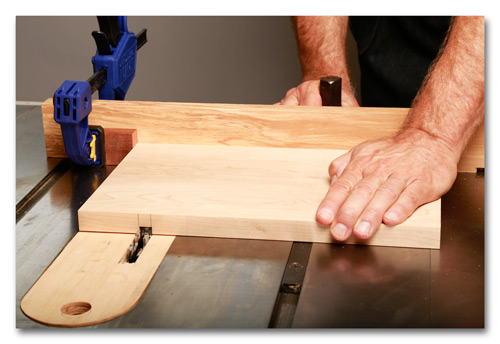
Credit: blog.acmetools.com
Frequently Asked Questions
Can You Cut Dados Without A Table Saw?
Yes, you can cut dados without a table saw. Use a router, circular saw, or hand tools instead.
Can You Make Dado Cuts With A Router?
Yes, you can make dado cuts with a router. Use a straight bit and guide for precise cuts. It’s efficient and versatile.
What To Use If I Don’t Have A Table Saw?
Use a circular saw or a handsaw as alternatives to a table saw. A jigsaw can also work for curved cuts.
What Is The Best Tool To Cut Dados?
The best tool to cut dados is a table saw with a dado blade set. It ensures precise and clean cuts.
Conclusion
Dado cuts can be made without a table saw. Use alternative tools like a router. Hand tools work too. Practice is key. Follow the steps carefully. Safety always comes first. With patience, you can achieve clean cuts. No table saw needed.
Enjoy your woodworking projects.