

A rafter hook on a circular saw is a small, metal hook. It allows you to hang your saw safely on a rafter or ladder.
Circular saws are handy tools for many projects. But, handling and storing them can be tricky. This is where a rafter hook comes in. It provides a simple way to hang your saw when not in use. This small attachment can make a big difference in your work area.
Keeping your saw within reach and off the ground can improve safety and efficiency. Understanding what a rafter hook is and how it works can help you get the most out of your circular saw.
Introduction To Rafter Hooks
A rafter hook is a handy feature on many circular saws. But what exactly is it and why is it important? In this section, we will explore the definition and historical background of rafter hooks on circular saws.
Definition
A rafter hook is a small, metal hook attached to a circular saw. It allows the user to hang the saw on rafters, ladders, or other surfaces. This keeps the tool within easy reach. It also prevents damage to the saw and workspace. The hook is usually foldable and integrated into the saw’s design.
Historical Background
The concept of a rafter hook is not new. It has evolved over many years. Early woodworkers had to find ways to keep their tools close and safe. They often improvised hooks or used belts. As power tools became popular, manufacturers noticed the need for a built-in solution. This led to the inclusion of rafter hooks on circular saws. They became a standard feature over time. Now, most modern circular saws come with these hooks.
Importance Of Rafter Hooks
The importance of rafter hooks on a circular saw cannot be overstated. These small yet mighty attachments are essential for both safety and convenience on the job site. Whether you’re a seasoned pro or a DIY enthusiast, understanding the benefits of rafter hooks can make a significant difference in your work efficiency and safety.
Safety Benefits
Rafter hooks help keep your circular saw secure when not in use. Instead of placing the saw on the ground where it can be easily tripped over, you can hang it safely on a rafter or ladder. This reduces the risk of accidents and keeps your work area organized.
Additionally, a hanging saw is less likely to get damaged. When a saw is placed on a surface, there’s always a risk of it falling or being knocked over. Using a rafter hook prevents this, ensuring your tool remains in top condition.
Convenience In Work
Imagine you’re working on a roof or scaffolding. Instead of having to set the saw down every time you need to reposition, you can simply hang it up using the rafter hook. This saves time and effort, allowing you to focus on the task at hand.
Rafter hooks also make it easier to switch between tools. When your circular saw is hanging within reach, you can quickly grab it when needed, improving workflow and efficiency.
Have you ever thought about how much time you spend picking up and putting down your tools? With a rafter hook, you can significantly reduce that time, making your work process smoother and more streamlined.
In conclusion, incorporating a rafter hook into your circular saw setup can greatly enhance both safety and convenience. By keeping your workspace organized and your tools within easy reach, you can work more efficiently and with greater peace of mind.
Types Of Rafter Hooks
Rafter hooks are essential for any professional or DIY enthusiast using a circular saw. They allow you to hang your saw safely when not in use. Rafter hooks come in various types, each with unique advantages. In this section, we will explore two main types of rafter hooks: fixed and adjustable.
Fixed Rafter Hooks
Fixed rafter hooks are attached permanently to the circular saw. They provide a stable and reliable way to hang your tool. These hooks don’t move or adjust, ensuring a consistent hanging position. Fixed hooks are ideal for users who prefer simplicity and reliability. They are often made from durable materials, ensuring long-lasting use.
Adjustable Rafter Hooks
Adjustable rafter hooks offer flexibility. You can change their position or angle based on your needs. This type of hook is perfect for users who work in varying environments. Adjustable hooks are usually easy to install and use. They can adapt to different rafter widths and angles, providing versatility. These hooks are also made from strong materials, ensuring they can handle the weight of the saw.
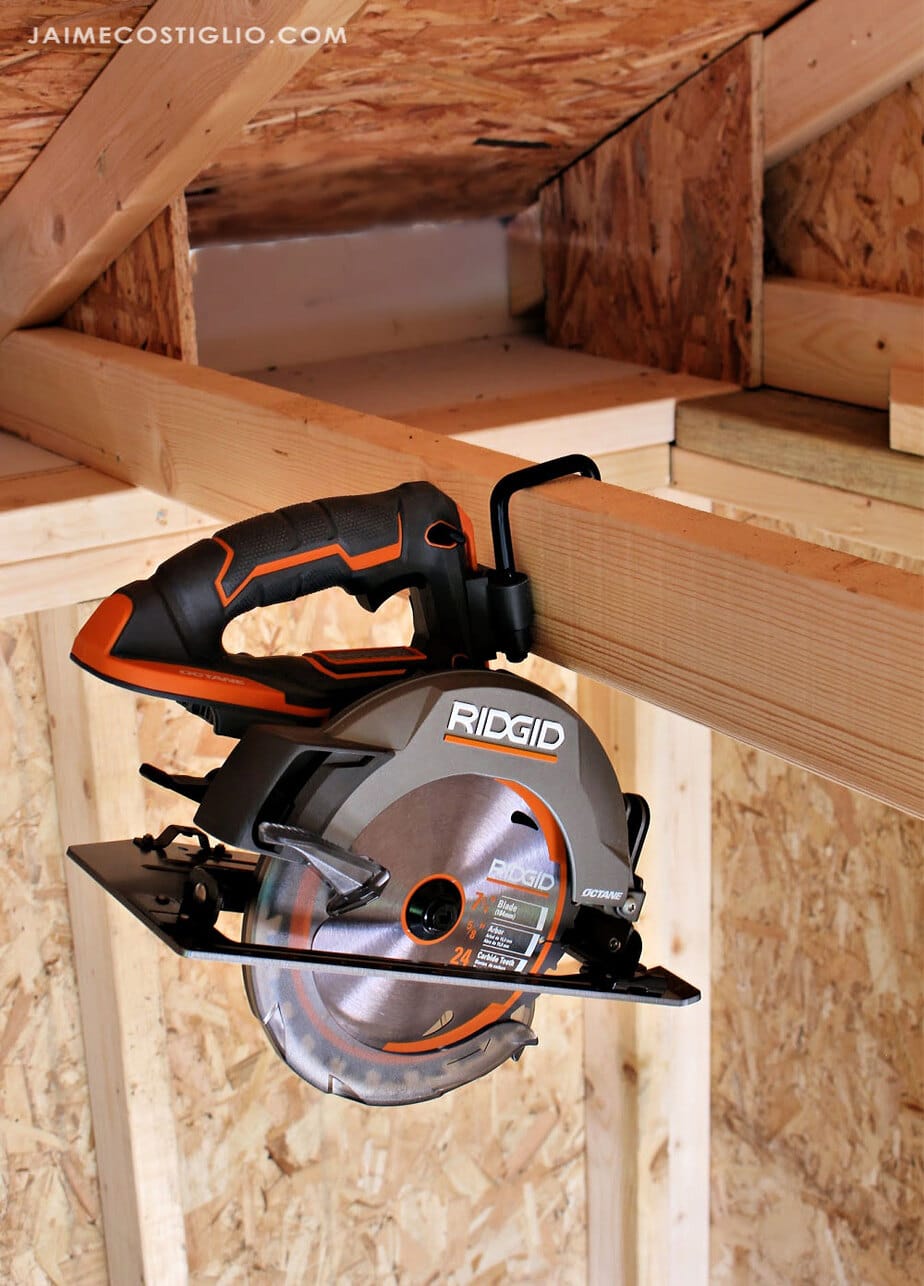
Credit: jaimecostiglio.com
Materials Used
A rafter hook on a circular saw is a practical feature. It allows you to hang the saw on rafters or other structures. The material used for the hook impacts its durability and performance.
Metal Hooks
Metal hooks are strong and durable. They can hold heavier saws without bending or breaking. Common metals used are steel and aluminum. These metals resist wear and tear from frequent use. Metal hooks are often preferred for professional tools.
Plastic Hooks
Plastic hooks are lightweight and affordable. They are suitable for lighter saws. Plastic is less durable than metal but can still be effective. High-quality plastic can provide a sturdy hold. These hooks are popular for DIY projects and casual use.
How To Install A Rafter Hook
Installing a rafter hook on your circular saw is a simple yet game-changing upgrade. This small addition can save you time and effort on the job site, ensuring your tool is always within reach. Let’s dive into the process of installing a rafter hook.
Required Tools
Before you start, gather these essential tools:
- Rafter hook kit
- Screwdriver (usually a Phillips head)
- Wrench or pliers
- Safety goggles
Step-by-step Guide
Follow these steps to install your rafter hook:
- Turn off and unplug your circular saw. Safety first! Ensure your saw is completely powered off to avoid any accidents.
- Remove the battery if it’s cordless. This adds an extra layer of safety, ensuring no power runs through the tool while you work.
- Locate the mounting hole. On most circular saws, there is a pre-drilled hole intended for a rafter hook. It’s usually on the handle or near the base.
- Align the rafter hook with the mounting hole. Hold the hook in place and make sure it fits snugly against the saw.
- Insert the screw or bolt. Use your screwdriver or wrench to securely fasten the hook. Make sure it’s tight enough to hold the saw’s weight but don’t over-tighten.
- Test the stability. Hang your saw on a rafter to ensure the hook is secure and stable. Give it a gentle shake to see if it holds up.
- Reattach the battery (if cordless). Once you’ve confirmed the hook is secure, reattach the battery and get ready to use your upgraded saw.
Installing a rafter hook is a quick and easy process, but it can make a big difference in your workflow. Ever found yourself scrambling to find a flat surface to place your saw? With a rafter hook, you can hang it up safely and continue working efficiently. What other small upgrades have you found useful in your tools?
Choosing The Right Rafter Hook
Choosing the right rafter hook for your circular saw is crucial. It ensures ease of use and enhances the tool’s functionality. A well-chosen rafter hook can save you time and effort on job sites. Below, we discuss key factors to consider.
Compatibility With Saws
Not all rafter hooks fit every circular saw. Always check compatibility before buying. Manufacturers often list compatible models. Match the hook to your saw’s brand and model. This ensures a secure fit and safe operation.
Durability And Strength
A rafter hook must be durable. It should withstand rough job site conditions. Look for hooks made from strong materials like steel. They offer better durability and longer life.
Strength is also important. A strong hook holds the saw securely. It prevents falls and potential damage. Choose a hook that supports the weight of your saw.
Common Mistakes To Avoid
Using a rafter hook on a circular saw offers convenience and safety. But, many users make mistakes that can lead to problems. Here are some common mistakes to avoid.
Incorrect Installation
Installing a rafter hook incorrectly can cause many issues. Check the manual for proper instructions. Ensure the hook is securely fastened to the saw. Loose hooks can lead to accidents. Double-check the attachment before each use.
Ignoring Weight Limits
Each rafter hook has a weight limit. Exceeding this limit can cause damage. Always check the weight specifications. Do not hang the saw on weak structures. Doing so can cause the hook to break. This can lead to serious injuries.
Maintenance Tips
Maintaining your circular saw’s rafter hook is essential. This ensures it stays in good working condition. Regular care can extend its life and improve safety. Below are some easy maintenance tips. Follow them for optimal performance.
Regular Inspections
Check the rafter hook for any visible damage. Look for cracks or signs of wear. Ensure it moves smoothly and locks in place. If you find any issues, address them immediately. This prevents further damage and ensures safety.
Cleaning And Lubrication
Keep the rafter hook clean. Dust and debris can affect its function. Wipe it with a clean cloth after use. Use a brush to remove any stubborn dirt.
Lubricate the moving parts regularly. Use a small amount of machine oil. This helps maintain smooth operation. Avoid using too much oil. Excess oil can attract dust and dirt.
Frequently Asked Questions
What Is A Rafter Hook?
A rafter hook is a tool attached to power saws. It allows easy hanging on rafters or ladders for convenience.
What Is The Hook On A Circular Saw For?
The hook on a circular saw is for hanging the tool when not in use. It ensures safe and convenient storage.
What Not To Do With A Circular Saw?
Do not use a dull blade. Avoid cutting materials not intended for the saw. Never bypass safety guards. Do not force the saw. Avoid using the saw with one hand.
What Are The Parts Of A Circular Saw?
A circular saw has several key parts: blade, motor, handle, guard, base plate, bevel adjustment, and trigger switch.
Conclusion
A rafter hook on a circular saw is a useful feature. It makes hanging your tool easy and safe. This simple addition saves time and keeps your workspace organized. Every professional or DIY enthusiast can benefit from it. Remember, safety and efficiency matter.
So, consider a circular saw with a rafter hook. It’s a small detail with big advantages. Happy cutting!