

Yes, poplar wood is good for furniture. It is affordable and versatile.
Poplar wood has become a popular choice for furniture makers due to its many benefits. Known for its light weight and ease of use, poplar is perfect for various furniture projects. It is also relatively inexpensive compared to other hardwoods, making it a budget-friendly option.
Poplar wood is often used for both hidden and visible parts of furniture, showing its adaptability. Its smooth surface and ability to take paint well make it an excellent choice for painted furniture. In this blog post, we will explore the characteristics of poplar wood and why it might be a great option for your next furniture project.
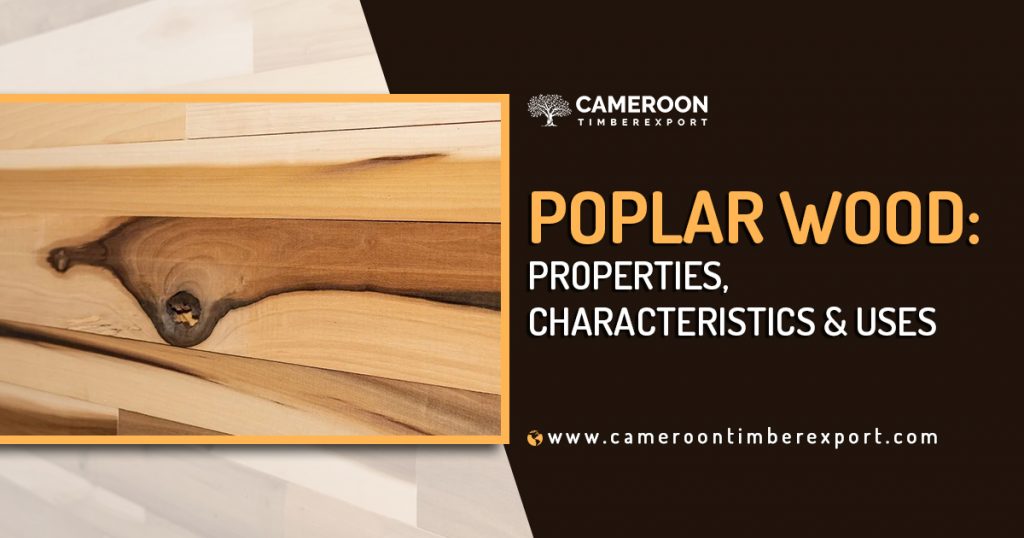
Credit: cameroontimberexport.com
Introduction To Poplar Wood
Poplar wood is often overlooked when it comes to furniture-making, but it has unique qualities that make it a viable option. This versatile wood is affordable, easy to work with, and can produce beautiful results. Before you decide on the material for your next furniture project, let’s delve into what makes poplar wood a good choice.
Brief History
Poplar wood has been used for centuries, dating back to ancient times. It was commonly used in Europe for making cabinets and other household furniture. This wood’s popularity stems from its availability and ease of use.
In the United States, poplar became a go-to wood during the colonial era. Early American settlers used it for constructing homes and furniture. Its lightweight nature made it ideal for quick and efficient building.
Common Uses
Today, poplar wood is still widely used in furniture-making. It is often chosen for interior parts of cabinets, drawers, and other pieces that need to be both sturdy and cost-effective. It’s also a favorite for painted furniture due to its smooth surface.
Beyond furniture, poplar is used in various woodworking projects. It’s common in creating musical instruments, toys, and even in the construction of certain architectural elements. Its versatility makes it a valuable resource in many crafts.
Have you ever worked with poplar wood? What was your experience like? Share your thoughts and let’s discuss the pros and cons of this underappreciated material.
Characteristics Of Poplar Wood
When considering wood for furniture, poplar wood often comes up as an option. Its unique characteristics make it a popular choice among furniture makers. But what exactly are these characteristics? Let’s break it down.
Physical Properties
Poplar wood is known for its light color, typically ranging from white to a pale yellow. This gives it a clean, neutral appearance that can easily blend with various styles of decor.
It’s a relatively soft hardwood, making it easy to work with. Carving and shaping poplar wood is a breeze, which is why it’s often used in detailed woodworking projects.
Despite being soft, poplar is strong and stable. This means your furniture won’t warp or crack easily, providing longevity to your pieces.
Durability
Poplar wood is not the most durable option out there, but it offers a good balance between durability and cost. It can withstand everyday use, although it may dent or scratch more easily compared to harder woods.
If you plan to use poplar for furniture that will see heavy use, consider adding a protective finish. This can enhance its resistance to wear and tear.
Have you ever wondered why poplar is often used for painted furniture? Its smooth grain takes paint well, allowing for a flawless finish. This makes it a great choice if you’re looking to add a splash of color to your furniture.
So, is poplar wood good for furniture? It depends on your needs. If you prioritize ease of work, stability, and a clean look, poplar wood could be a fantastic choice for your next furniture project.
Advantages Of Poplar Wood In Furniture Making
Poplar wood is a popular choice for furniture makers. Its unique qualities make it an ideal material for various furniture pieces. Let’s explore the advantages of poplar wood in furniture making.
Affordability
Poplar wood is budget-friendly. It costs less than many hardwoods. This makes it an excellent choice for those on a tight budget. Furniture made from poplar provides a high-quality look without breaking the bank.
Workability
Poplar wood is easy to work with. It cuts, sands, and shapes smoothly. This makes it a favorite among woodworkers. They can create intricate designs with ease. Poplar’s workability allows for precise and detailed craftsmanship.

Credit: www.woodworkingnetwork.com
Disadvantages Of Poplar Wood In Furniture
Poplar wood lacks durability, making it prone to dents and scratches. Its softness can lead to quicker wear and tear in furniture.
Poplar wood is often chosen for furniture due to its affordability and workability. However, it has its downsides that might make you reconsider using it for your next furniture project. Let’s delve into the disadvantages of using poplar wood for furniture.
Susceptibility To Damage
Poplar wood is relatively soft compared to other hardwoods like oak or maple. This softness makes it prone to dents and scratches. If you have kids or pets, poplar furniture might show wear and tear quicker than you’d like.
I once owned a poplar wood dining table. Despite being careful, it developed noticeable dents from everyday use. This was frustrating and made the table look older than it was.
How do you feel about constantly worrying whether your furniture will get damaged?
Limited Aesthetic Appeal
Poplar wood has a straight grain with a somewhat bland appearance. It lacks the rich, intricate patterns found in other woods like walnut or cherry. This can make your furniture look less luxurious or appealing.
Even when stained, poplar wood doesn’t always achieve the desired finish. I attempted to stain a poplar bookshelf to match my other furniture, but the result was disappointing. The wood absorbed the stain unevenly, leaving a blotchy appearance.
Would you be satisfied with furniture that might not look as polished or attractive as you hoped?
Choosing poplar wood for furniture has its drawbacks. Considering these disadvantages, you might want to explore other options that better align with your expectations for durability and aesthetics.
Comparing Poplar Wood With Other Woods
Comparing poplar wood with other woods can help you decide if poplar is the right choice for your furniture. Different woods have unique characteristics. Let’s explore how poplar stands against pine and oak.
Poplar Vs. Pine
Poplar and pine are both softwoods. Poplar is often lighter in color. It has a smooth grain. Pine, on the other hand, can have knots. These knots give pine a rustic look. Poplar is easier to paint. Pine absorbs stains better. Poplar is generally more stable. It resists warping and shrinking. Pine is more affordable. But, poplar is often more durable. Both woods are easy to work with. They cut and sand easily.
Poplar Vs. Oak
Oak is a hardwood. It is heavier and denser than poplar. Oak has a prominent grain. It gives furniture a classic look. Poplar has a more uniform appearance. Oak is more resistant to wear and tear. It is a good choice for high-traffic areas. Poplar is lighter in weight. It is easier to move. Oak is more expensive. Poplar is a budget-friendly option. Both woods are strong. They can last for many years with proper care.
Best Practices For Using Poplar Wood
Poplar wood is often chosen for its versatility and affordability. But to make the most of it, you need to follow some best practices. Proper preparation and finishing can enhance its look and durability. Let’s explore how to do this effectively.
Preparation Techniques
Start by selecting high-quality poplar wood. Ensure it’s free from knots and defects. Cut the wood to your desired size. Sand the surface thoroughly. This helps in removing rough spots and achieving a smooth finish. Use fine-grit sandpaper for the best results. Clean the wood after sanding. Dust and debris can affect the finish.
Finishing Tips
Apply a primer before painting or staining. This helps in sealing the wood and providing a uniform base. Use a brush or roller for even application. Allow the primer to dry completely. Choose a high-quality paint or stain. Water-based options are easier to work with. Apply multiple thin coats for better coverage. Let each coat dry before applying the next. Seal the finished piece with a clear topcoat. This adds protection and enhances the appearance. Use a brush to avoid streaks and bubbles.
Poplar Wood In Different Furniture Styles
Poplar wood is versatile and fits many furniture styles. It’s lightweight, easy to work with, and affordable. Great for both painted and stained finishes.
Poplar Wood in Different Furniture Styles
Poplar wood is often overlooked, but it’s a versatile choice for many furniture styles. Whether you favor modern or traditional designs, poplar wood can be a solid option. Let’s dive into how poplar wood fits into various furniture aesthetics.
Modern Designs
Poplar wood’s smooth grain is perfect for sleek, modern furniture. Its lightweight nature makes it easy to handle, especially for DIY projects.
Think of minimalist coffee tables or streamlined bookcases. Poplar’s ability to take paint well means you can customize it to match any modern color palette.
Do you want an affordable way to stay trendy? Poplar wood might be your answer.
Traditional Designs
Poplar wood also shines in traditional furniture designs. Its fine texture and subtle grain lend themselves well to classic styles.
Imagine a sturdy poplar dining table or an elegant dresser. These pieces can be stained to mimic more expensive woods like cherry or walnut.
Are you aiming for a timeless look without breaking the bank? Poplar wood can help you achieve that.
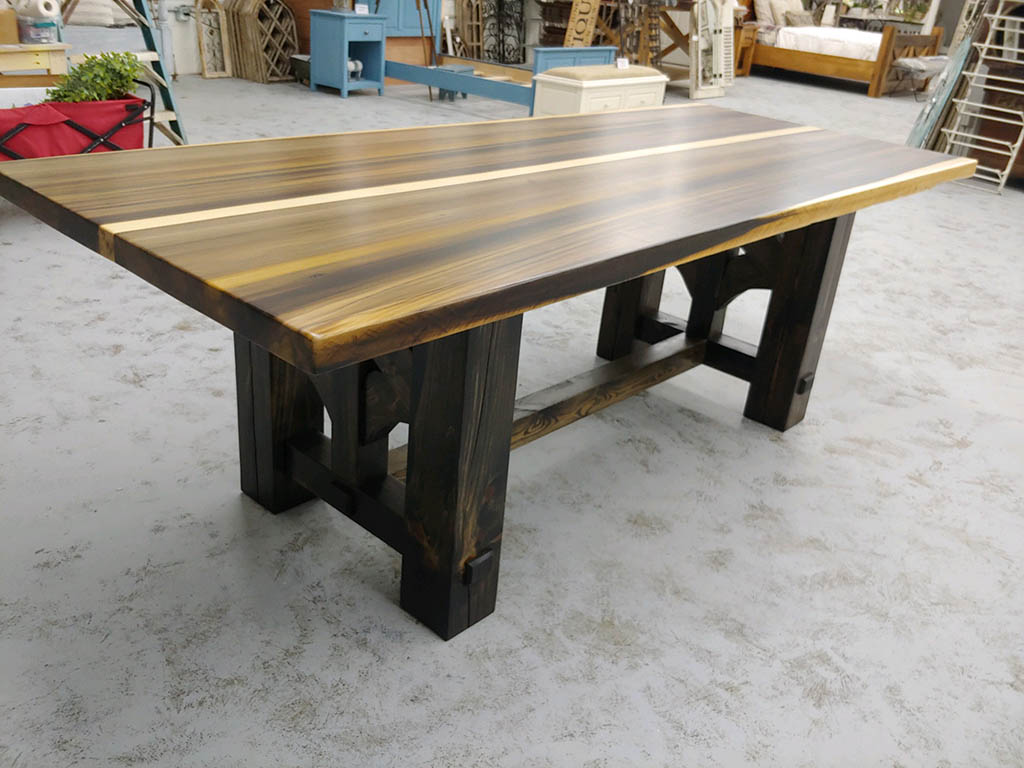
Credit: www.tnfarmhousefurniture.com
Sustainability And Environmental Impact
Poplar wood is a sustainable choice for furniture due to its fast growth and abundance. It offers a lightweight yet durable option, ideal for various furniture types. This eco-friendly material minimizes environmental impact while providing a versatile solution.
Poplar wood is an excellent choice for eco-conscious furniture buyers. Its sustainability and minimal environmental impact make it highly desirable. Let’s explore how poplar wood stands out in these areas.
Eco-friendly Aspects
Poplar trees grow quickly and in abundance. This rapid growth means less strain on forests. Using poplar wood helps reduce deforestation rates. It also replenishes faster than many other hardwoods.
Poplar wood is biodegradable. It returns to the earth without causing harm. It breaks down naturally, reducing waste. This makes it a green option for furniture.
Sourcing And Availability
Poplar wood is widely available. It’s sourced from sustainably managed forests. These forests follow strict guidelines. They ensure the tree population remains healthy.
Poplar trees grow in many regions. This widespread availability reduces transportation emissions. Shorter transport routes mean a smaller carbon footprint. This is a significant advantage for environmentally friendly furniture.
By choosing poplar wood, you support sustainable practices. You contribute to a healthier planet. Every piece of poplar furniture helps make a difference.
Frequently Asked Questions
What Are The Disadvantages Of Poplar Wood?
Poplar wood dents and scratches easily. It has a plain appearance and lacks durability. It absorbs moisture, leading to warping. It is less strong compared to other hardwoods.
Is Poplar Too Soft For Furniture?
Poplar is relatively soft for furniture but works well for indoor pieces. It’s easy to work with and affordable.
What Is Poplar Wood Best Used For?
Poplar wood is best used for furniture, cabinets, and interior trim. It’s lightweight, affordable, and easy to work with.
Is Poplar Cheap Wood?
Yes, poplar is considered a cheap wood. It is affordable and commonly used for furniture and woodworking projects.
Conclusion
Poplar wood offers a great choice for furniture. It’s affordable and versatile. Its light weight makes it easy to handle. Poplar’s smooth texture allows for easy staining and painting. This wood suits many furniture styles. Durability might be a concern, but proper care helps.
Overall, poplar wood balances cost and quality. Great for budget-conscious furniture projects. Consider poplar for your next DIY furniture piece.