

Using a chainsaw in Rust can be tricky. It’s essential to know the steps.
This guide will help you understand how to use a chainsaw in Rust. Rust is a challenging game where every tool matters. The chainsaw is a powerful tool for gathering wood quickly. Knowing how to use it effectively can give you an edge.
In this blog post, we will explore the steps to operate the chainsaw. We will also share tips to ensure you get the best results. Whether you are new to Rust or a seasoned player, this guide will enhance your skills. So, let’s dive in and learn how to make the most of your chainsaw in Rust.

Credit: www.reddit.com
Introduction To Chainsaw Use
Using a chainsaw can be both thrilling and daunting, especially if you are new to it. Mastering the basics is essential to ensure safety and efficiency. Let’s dive into the key aspects of proper chainsaw use.
Importance Of Proper Technique
Proper technique is the foundation of effective chainsaw use. Without it, you risk injury and damage to your equipment. Hold the chainsaw firmly with both hands. Keep your feet planted securely to maintain balance.
Start with a firm grip and straight posture. Cutting at the right angle ensures clean cuts and reduces strain on the saw. Adjust your stance to accommodate different cutting positions.
Think about how you can make each cut smoothly and efficiently. Practicing proper technique will enhance your skills and confidence over time.
Safety Precautions
Safety should be your top priority when using a chainsaw. Always wear protective gear, including gloves, goggles, and ear protection. This minimizes the risk of injury from flying debris and loud noise.
Ensure your chainsaw is in good condition before use. Check the chain tension, fuel levels, and overall functionality. A well-maintained chainsaw is less likely to malfunction.
Be aware of your surroundings. Clear the area of obstacles and ensure no one is within your cutting zone. This helps prevent accidents and ensures you can focus on your task.
Ever wondered what could go wrong if you ignore safety measures? Imagine a sudden kickback causing a severe injury. Prioritize safety to avoid such scenarios.
Using a chainsaw effectively requires a blend of proper technique and strict safety precautions. What steps will you take to ensure your chainsaw use is both safe and efficient?
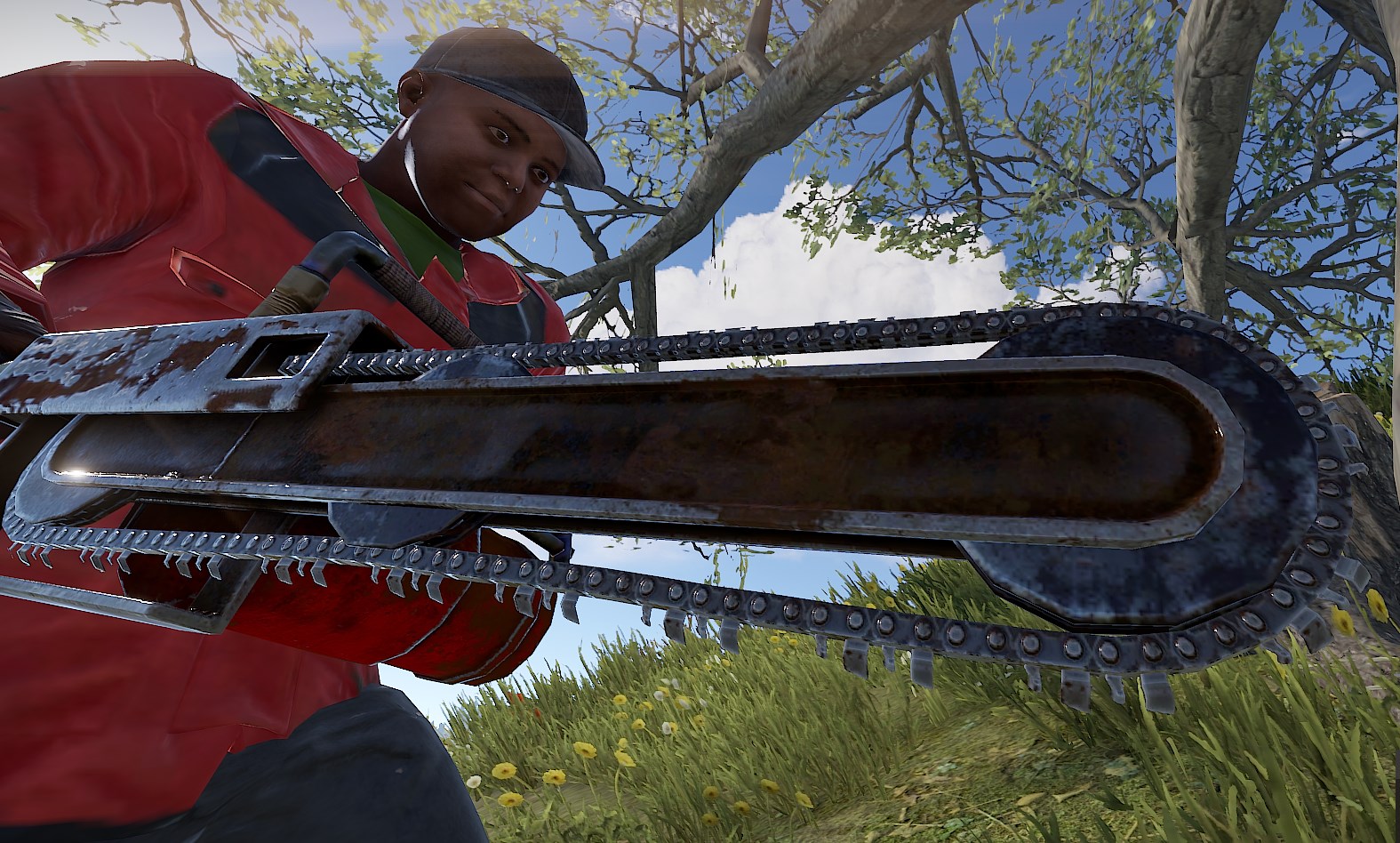
Credit: gamever.io
Choosing The Right Chainsaw
Choosing the right chainsaw is crucial for any task in Rust. The right tool can make a significant difference in efficiency and safety. Let’s dive into the essentials of selecting the perfect chainsaw for your needs.
Types Of Chainsaws
Chainsaws come in different types. Gas-powered chainsaws are powerful and suitable for heavy-duty tasks. They are ideal for cutting large trees and thick logs. Electric chainsaws are lighter and quieter. They are perfect for small to medium tasks. Battery-powered chainsaws are portable and easy to handle. They are best for light to moderate work. Each type has its unique benefits.
Selecting The Appropriate Size
The size of the chainsaw matters. Small chainsaws are easy to control. They are great for trimming branches and small trees. Medium chainsaws offer a balance of power and maneuverability. They handle most tasks efficiently. Large chainsaws provide maximum power. They are essential for cutting large trees and heavy-duty work. Choose a size that fits your specific needs.
Essential Safety Gear
Wearing essential safety gear is crucial when using a chainsaw in Rust. Use gloves, helmet, and eye protection to stay safe. Proper gear helps prevent injuries and ensures a smoother cutting experience.
When handling a chainsaw, ensuring your safety is paramount. Rust can make the chainsaw unpredictable, so it’s crucial to arm yourself with the right gear. Let’s delve into the essential safety equipment you need to stay safe.
Protective Clothing
Wearing the right clothing can be a lifesaver. Chainsaw chaps or pants are a must; they are designed to protect your legs from accidental cuts.
Opt for heavy-duty work boots with steel toes to shield your feet.
A long-sleeved shirt and durable gloves can prevent minor injuries and provide an extra layer of defense against rust-related accidents.
Safety Accessories
Eye protection is non-negotiable. Rust particles can easily fly into your eyes during operation. Safety goggles or a full-face shield will keep your vision safe.
Ear protection is equally important. Chainsaws are loud, and prolonged exposure can damage your hearing. Earplugs or earmuffs can mitigate this risk.
Don’t forget a hard hat. Falling branches are a real danger, and a hard hat can prevent serious head injuries.
Have you ever thought about how much more confident you’d feel with all this gear? It’s not just about safety; it’s about working smarter and feeling secure.
Preparing The Chainsaw
Before you start using a chainsaw, you need to prepare it properly. This ensures safety and efficiency. It also helps extend the life of your tool. Let’s look at some key steps you should follow.
Inspecting The Chainsaw
First, inspect the chainsaw for any visible damage. Check the chain for any signs of wear. Make sure it is sharp and properly tensioned. Look at the guide bar for any bends or cracks. Ensure all screws and bolts are tight. A loose part can be dangerous. If you find any issues, fix them before using the chainsaw.
Fueling And Lubrication
Next, make sure your chainsaw has the right fuel mix. Most chainsaws use a mix of gasoline and oil. Check the manual for the correct ratio. Fill the fuel tank carefully to avoid spills. Also, check the chain oil level. Chain oil keeps the chain running smoothly. Without it, the chain can overheat and break. Fill the oil reservoir if needed.
Basic Chainsaw Techniques
Understanding basic chainsaw techniques is crucial for both safety and efficiency. Whether you are a beginner or need a refresher, mastering these techniques will make your cutting tasks easier and more enjoyable. Let’s dive into the essentials, starting with how to get your chainsaw up and running.
Starting The Chainsaw
Before you begin, make sure you are in a safe environment. Clear the area of any obstacles or debris that might get in your way. Check the chainsaw’s fuel and oil levels.
Place the chainsaw on the ground, making sure the chain is not in contact with any objects. Hold the front handle with your left hand and place your right foot in the rear handle. This provides stability. Pull the starter cord firmly until the engine starts.
Once started, let the chainsaw idle for a few moments. This warms up the engine and ensures it’s running smoothly. Always engage the chain brake before starting to prevent accidental movement.
Proper Grip And Stance
Having the right grip and stance is vital for control and safety. Hold the chainsaw with both hands. Your left hand should grip the front handle firmly, while your right hand holds the rear handle.
Keep your thumbs wrapped around the handles for a secure grip. Stand with your feet shoulder-width apart. This gives you balance and control. Bend your knees slightly and keep your back straight.
Always cut at waist level or below. This reduces the risk of losing balance. Avoid cutting above shoulder height, as this can lead to dangerous situations. Are you gripping your chainsaw correctly? If not, adjust your stance and grip to maintain control and safety.
Remember, practice makes perfect. The more you practice these techniques, the more confident you will become. Keep safety in mind, and you’ll find chainsaw tasks less daunting and more manageable.
Advanced Cutting Techniques
Mastering advanced cutting techniques with a chainsaw can significantly increase your efficiency and safety while working on various tasks. Whether you’re clearing up storm damage or prepping firewood, knowing how to execute limbing, bucking, and felling trees properly will make a world of difference. Here, we break down these essential advanced cutting methods for you.
Limbing And Bucking
Limbing involves removing branches from a fallen tree. It’s crucial to maintain a steady stance and avoid cutting too close to your body. Position yourself on the opposite side of where you’re cutting to stay clear of potential kickbacks.
Start with the branches closest to the trunk and work your way outward. This keeps the tree stable and prevents it from rolling. Always keep your chainsaw chain sharp, as a dull blade can cause accidents and increase fatigue.
Once you’ve limbed the tree, bucking is the next step. This is the process of cutting the trunk into smaller, manageable pieces. Ensure the log is stable before you start cutting. You don’t want it to roll or shift unexpectedly.
Make sure to cut from the top down, applying even pressure on the saw. If the tree is under tension, make small cuts on each side before cutting through completely to avoid pinching the saw.
Felling Trees
Felling trees is one of the most dangerous chainsaw tasks, so careful planning is essential. Always assess the tree and its surroundings before you start. Identify the direction you want the tree to fall and clear the area of any obstacles.
Make a notch cut on the side of the tree facing the direction you want it to fall. This cut should be about one-third of the tree’s diameter. Then, make a horizontal back cut on the opposite side, slightly above the bottom of the notch cut. This creates a hinge that guides the tree’s fall.
Always have an escape route planned before you begin. Move quickly away from the tree once it starts to fall, keeping an eye on its path. Never turn your back on a falling tree.
Using these advanced cutting techniques will not only make your chainsaw work more efficient but also safer. What other chainsaw techniques have you found helpful in your experience?
Maintaining Your Chainsaw
Prevent rust on your chainsaw by keeping it clean and dry after each use. Regularly apply a protective oil. Store it in a dry place to avoid moisture damage.
Maintaining Your Chainsaw
Your chainsaw is an essential tool. Keeping it in top condition ensures safety and efficiency. Regular maintenance is key.
Sharpening The Chain
A dull chain is dangerous. It makes the saw work harder, increasing the risk of kickback. Sharpen your chain regularly.
Use a round file that matches your chain’s specifications. Follow the angle of the cutters. A few precise strokes are better than many sloppy ones.
Check the depth gauges as well. They control the depth of each cut. File them down if they’re too high.
Cleaning And Storage
Clean your chainsaw after each use. Remove sawdust, oil, and debris. It prevents buildup and rust.
Use a soft brush for the exterior. A toothbrush works wonders for tight spots. Clean the air filter, too.
Store your chainsaw in a dry place. Keep it off the ground. A hanging hook is a good option.
Drain the fuel if you won’t use it for a while. This prevents gum deposits. It also makes starting easier later.
Maintaining your chainsaw doesn’t have to be a chore. A few minutes now save hours later. What’s your favorite maintenance tip?
Troubleshooting Common Issues
Using a chainsaw can be incredibly efficient, but like any tool, it can face issues that hinder performance. Understanding how to troubleshoot common problems can save you time and frustration. Let’s dive into some typical chainsaw troubles and how to solve them.
Starting Problems
Chainsaws can be tricky to start, especially if you’re new to using them. If your chainsaw isn’t starting, check the fuel. Is it fresh? Stale fuel can cause starting issues.
Next, inspect the spark plug. A dirty or damaged spark plug can prevent ignition. Replace it if necessary. You might also want to clean the air filter; a clogged filter can restrict airflow and make starting difficult.
Have you ever faced a stubborn chainsaw that won’t start despite your best efforts? It’s frustrating, right? Try priming the engine correctly. Follow the manufacturer’s instructions and prime the engine a few times before attempting to start.
Chain Issues
A chainsaw’s chain can face several problems, from dullness to improper tension. If your chainsaw isn’t cutting efficiently, check if the chain is sharp. A dull chain can slow down your work and increase the risk of accidents.
Inspect the chain tension. An overly tight or loose chain can cause operational issues. Adjust the tension so that the chain moves smoothly but isn’t sagging.
Have you ever noticed your chainsaw chain jumping off the bar? This could be due to incorrect tension or a worn-out guide bar. Ensure the bar and chain are compatible and properly installed. Regular maintenance can prevent these issues.
Don’t let chainsaw troubles stump you. With these tips, you can address common problems and keep your chainsaw running smoothly. Have you experienced any other chainsaw issues? Feel free to share your insights and solutions in the comments below.
Environmental Considerations
When using a chainsaw in Rust, it’s essential to consider the environmental impact. Cutting down trees not only affects the landscape but also impacts the ecosystem. Let’s explore some eco-friendly practices and ways to minimize noise pollution.
Eco-friendly Practices
Think about replanting trees after you cut them. It helps maintain the forest balance. Consider how many trees you remove and aim to replace them with saplings. This practice ensures the forest continues to thrive.
Use the chainsaw only when necessary. Overuse can lead to deforestation, affecting both the environment and your gameplay. Limit your chainsaw use to crucial moments.
Have you ever noticed how some players leave tree stumps behind? Removing the entire tree, including the stump, can help prevent the spread of diseases and pests. This practice keeps the forest healthier in the long run.
Minimizing Noise Pollution
Chainsaws are loud, and excessive noise can disturb the natural wildlife. Plan your cutting during times when noise will have the least impact. Early morning or late evening could be less disruptive.
Have you ever experienced the frustration of a noisy neighbor in the game? Consider your fellow players and aim to minimize your chainsaw use around their bases. This simple act can foster better relationships and a more peaceful environment.
Using a chainsaw with a silencer attachment, if available, can significantly reduce noise levels. It’s worth investing in quieter equipment to ensure a less intrusive presence.
Remember, every small action counts. How do you think your approach to using the chainsaw can make a difference in the game and the environment? Reflect on your practices and see if there are areas for improvement.

Credit: gamever.io
Frequently Asked Questions
How To Fill Chainsaw Rust Pc?
To fill chainsaw rust PC, clean the surface first. Use a rust remover and sand it down. Apply rust-resistant paint.
How Do You Fuel A Chainsaw?
To fuel a chainsaw, mix gasoline and 2-stroke engine oil. Use the recommended ratio from the manual. Shake the mixture well. Pour it into the fuel tank, and secure the cap tightly.
How To Make A Chainsaw Work?
To make a chainsaw work, check fuel and oil levels. Engage the chain brake. Pull the starter cord. Release the brake and throttle up.
Is A Chainsaw Good Rust?
No, a chainsaw is not good for rust. Rust can damage the chainsaw, reducing its efficiency and lifespan. Keep your chainsaw clean and dry to prevent rust.
Conclusion
Using a chainsaw in Rust can be straightforward and efficient. Always keep safety in mind. Wear protective gear. Check the chainsaw’s condition before use. Follow the steps outlined for best results. Practice makes perfect. Soon, you’ll handle tasks quickly and safely.
Happy chopping!