0x0000001f: BSOD, installer, or printer error fixes
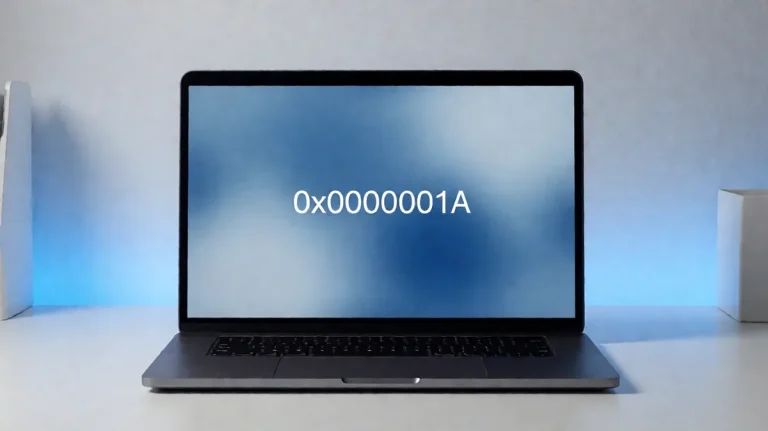
If 0x0000001f appears on a blue screen or in a crash dump, confirm that context first and then use the Windows repair steps below. If it appears only in an app, device setup, or an administrative workflow, check that specific product message before using blue-screen troubleshooting. The fastest first move is to confirm exactly where the code appeared before changing anything.
What does 0x0000001f mean in Windows?
Check the original screen, app, or log entry first, then choose the matching path.
How the code appears in practice
On a true crash, the code is usually shown in bug-check format such as 0x0000001F or 0x1F. Microsoft Learn lists 0x0000001F as SHARED_RESOURCE_CONV_ERROR, and the bug check has a value of 0x0000001F. Microsoft Learn also notes that this bug check appears very infrequently. (Microsoft Learn)
If the same hexadecimal value appears in a different screen or workflow, verify that message in its own context before treating it as a Windows crash. (knowledge.broadcom.com) (Microsoft Learn)
Where to confirm the original context
- Check whether the code appeared on a full blue screen during a reboot loop or sudden crash.
- Open Control Panel > Security and Maintenance > Reliability Monitor and look for the exact time of the error.
- Open Event Viewer > Windows Logs and compare System events around that same minute.
According to Fix Error Code 0x0000001f – Outbyte PC Repair — use third-party pages only as extra reading, not as the basis for diagnosis or repair decisions. (source)
Which kind of 0x0000001f do you have? Use this decision table first
The context usually identifies the right category within minutes. For a blue screen, start with Windows stability checks. For a code shown only inside another workflow, confirm that product’s exact error text and logs first.
Decision table
Where 0x0000001f appeared | Most likely category | First three checks | Safest next action |
|---|---|---|---|
| Blue screen, reboot loop, dump analysis | Windows bug check / stop-code-style stability fault | 1) Reliability Monitor timestamp 2) Recent Windows Update or power loss 3) Run sfc /scannow | Repair Windows files with DISM /Online /Cleanup-Image /RestoreHealth, then review the most recent change in apps, drivers, or updates. |
| Printer install dialog or printer connection failure | A device-specific or workflow-specific error | 1) Confirm the full printer message 2) Check Event Viewer around the same time 3) Verify the current printer software path you used | Troubleshoot that printer workflow directly instead of assuming a blue-screen cause from the hex value alone. |
| Domain join or admin setup workflow | A product-specific or task-specific error | 1) Confirm the exact product and task 2) Check the surrounding failure text 3) Review product logs or admin documentation | Use the product’s own troubleshooting path rather than the Windows crash path unless you also have a blue screen or crash dump. |
| Sleep or wake related log entry, no printer or domain task | Windows stability issue that needs timeline checks | 1) Review Reliability Monitor around resume time 2) Check update history near the first failure 3) Run sfc /scannow | Start with the standard Windows file-repair steps, then test again after removing the most recent change if the timing is exact. |
What causes error code 0x0000001f on Windows?
The supplied Microsoft Learn facts identify this as a rare Windows bug check when it appears on a blue screen, but they do not assign a single root cause. In practice, the best next step is to narrow the timing and context first, then use standard Windows repair actions such as checking Reliability Monitor, reviewing update history, and repairing Windows files.
Likely causes, ranked by fit
- Known from the source facts: it is a Windows bug check when shown on a blue screen, and Microsoft Learn says it appears very infrequently.
- Best first check: confirm whether the first failure lines up with a recent update, shutdown, restart, app change, or driver change.
- Next: review Reliability Monitor, Event Viewer, and update history before removing anything.
- Then: repair Windows files with
sfc /scannowandDISM /Online /Cleanup-Image /RestoreHealth. - If another workflow shows the code: troubleshoot that workflow directly instead of assuming it is the same problem as a blue-screen crash.
Why shutdowns and updates matter
Shutdown timing and update timing matter because they help you identify the first change before you repair or roll back anything. Match the first failure in Reliability Monitor with update history or a recent app, device, or configuration change, then choose the smallest repair step that fits that timeline.
Did 0x0000001f start after an update, shutdown, or crash?
If the code started right after Windows Update, a forced restart, or a power cut, start by proving the timing. That check keeps the repair path short. Once the timeline matches, repair Windows files first with sfc /scannow and DISM /Online /Cleanup-Image /RestoreHealth, then check the disk with chkdsk, and only then consider rolling back the update or restoring Windows.
Repair corruption first
- Open Control Panel > Security and Maintenance > Reliability Monitor and match the first failure to an update, shutdown, or unexpected restart.
- On Windows 10, open Settings > Update & Security > Windows Update > View update history. On Windows 11, open Settings > Windows Update > Update history.
- Open Command Prompt as administrator and run
sfc /scannow. - Then run
DISM /Online /Cleanup-Image /RestoreHealth. - Run
chkdsk, restart if prompted, and test normal boot before adding any other changes. - If the first failure clearly begins after one update, uninstall that update from Update history > Uninstall updates or use System Restore.
Why corrupt system files matter
System files are the core Windows binaries and servicing components used during boot, resume, updates, and driver loading. When they are damaged, crashes can surface during startup or shutdown. Use the Windows repair commands first, then retest before making further changes.
Did a software install or uninstall trigger 0x0000001f?
If 0x0000001f appeared after adding or removing software, treat the recent change as suspect until proven otherwise. Half-finished setup routines can leave drivers, services, startup entries, or filter components behind.
Undo the recent change cleanly
- Open Control Panel > System > System Protection, choose the system drive, select Create, give the restore point a name, and finish creating it.
- Then open Settings > Apps on Windows 10 or Settings > Apps > Installed apps on Windows 11, sort by install date if needed, and uninstall the newest app or security tool that was added just before the problem started.
- Open msconfig, choose Selective startup, hide Microsoft services, and disable non-Microsoft services for a clean boot test.
- If the issue began with a device package, open Device Manager, right-click the device, and use Uninstall device or Roll Back Driver.
- Reboot normally. If the problem remains and the timing is exact, use System Restore to a point before the install or uninstall.
What leftovers usually look like
Common leftovers include a service that still loads, a driver package that remains active, or a startup entry that points to files that no longer exist. Those are better handled by uninstall, rollback, clean boot, and restore point recovery than by manual registry editing.
Can bad drivers or registry damage cause 0x0000001f?
Recent system changes should be tested in order. Start with the most recent app, device, or update change that lines up with the first failure, then use rollback, uninstall, or System Restore as needed.
Fix drivers before touching the registry
- Open Device Manager and inspect devices for warning icons or recent changes.
- For the newest changed device, use Properties > Driver > Roll Back Driver. If rollback is unavailable, choose Uninstall device and reboot.
- Check Windows update history for a driver update installed near the first failure.
- If the code appears only during printer setup, troubleshoot that printer workflow directly rather than using blue-screen repair steps by default.
- Before making broader system changes, use System Restore instead of manual registry edits.
Why invalid registry entries matter, and why manual editing is risky
The registry tracks drivers, services, startup items, and device state. Broken entries can block startup or load the wrong component. Manual editing is a late step because one wrong deletion can create a larger boot problem than the original fault, so restore-based rollback is safer.
How do I fix 0x0000001f on Windows 10 or Windows 11?
On both Windows 10 and Windows 11, the safest repair path is the same: create a restore point, remove the most recent change, repair Windows files, inspect update history, test with a clean boot, and use Safe Mode if normal boot is unstable. The menu names differ a bit, but the order should not.
Use this repair ladder
- Open Control Panel > System > System Protection, select the system drive, click Create, enter a name, and create a restore point.
- Remove the newest app, driver, or security tool from Settings > Apps.
- Run
sfc /scannow. - Run
DISM /Online /Cleanup-Image /RestoreHealth. - Run
chkdsk. - Review Windows Update history for a change installed near the first failure, and uninstall that update if the timing is exact.
- Test a clean boot with msconfig.
- If Windows crashes before desktop load, boot to Safe Mode and repeat steps 2 through 5.
Version support and repair-tool claims
Start with built-in Windows repair methods first. Use restore points, uninstall the newest change, repair Windows files, and test a clean boot before relying on third-party repair claims.
Still not working? What to try next before a reinstall
If the basic repair ladder failed, collect evidence. At that point the goal shifts from guessing to narrowing the fault: crash dump or event trail, Safe Mode behavior, and whether the issue survives clean boot. Those answers decide whether repair install, restore, or reinstall is the rational next step.
If that did not work, try this next
- Check Reliability Monitor and Event Viewer > Windows Logs > System for the first recurring failure.
- Boot into Safe Mode. If the issue stops there, repeat the clean boot path in msconfig.
- Run Windows Memory Diagnostic if crashes are random and not tied to one app or update.
- If Windows will not start normally, open the Windows Recovery Environment, go to Troubleshoot > Advanced options > Startup Repair, and let it complete before testing startup again.
- If Windows still runs, perform an in-place repair install. If it does not, use System Restore or Reset This PC.
- Choose a clean reinstall when file repair, rollback, and restore all fail or when corruption returns immediately after each repair.
Prevention
Avoid forced shutdowns during updates. When a problem starts, note the exact time and the last change made so you can match it against Reliability Monitor, Event Viewer, and update history before attempting repairs.
Frequently asked questions
Is 0x0000001f a BSOD stop code or a generic error code?
Check the context first. If it appears on a blue screen or in a crash dump, use the Windows crash-repair path. If it appears only in another product or workflow, troubleshoot that workflow directly.
Can bad drivers cause 0x0000001f?
A recent driver change is worth checking when the timing matches the first failure. Open Device Manager, review the devices changed most recently, and use Roll Back Driver or Uninstall device before trying wider repair steps.
Does 0x0000001f point to corrupt system files or invalid registry entries?
Not by itself. Confirm the timeline in Reliability Monitor and Update history, then run sfc /scannow and DISM /Online /Cleanup-Image /RestoreHealth. If you need rollback, start with System Restore instead of manual registry edits.
How do I troubleshoot 0x0000001f after a failed update or shutdown?
First, confirm the timing in Reliability Monitor and Update history. Then run sfc /scannow, DISM /Online /Cleanup-Image /RestoreHealth, and chkdsk. If the issue began immediately after one update, uninstall that update or restore Windows to the last good point before the interruption.
Should I use a repair tool for 0x0000001f or fix it manually?
Start manually. Use restore points, uninstall the newest change, repair system files, and test a clean boot before paying for any tool.
How do the shared-resource, “can’t,” and Surface variants fit in?
If a search result shows the shared-resource name, that points to the blue-screen bug-check reference. If the message is only “0x0000001f can’t …” in an installer or dialog, verify that component’s own logs and error text first. On a Surface, use the same Windows 10 or Windows 11 path: confirm context, then repair files or roll back the most recent change.